



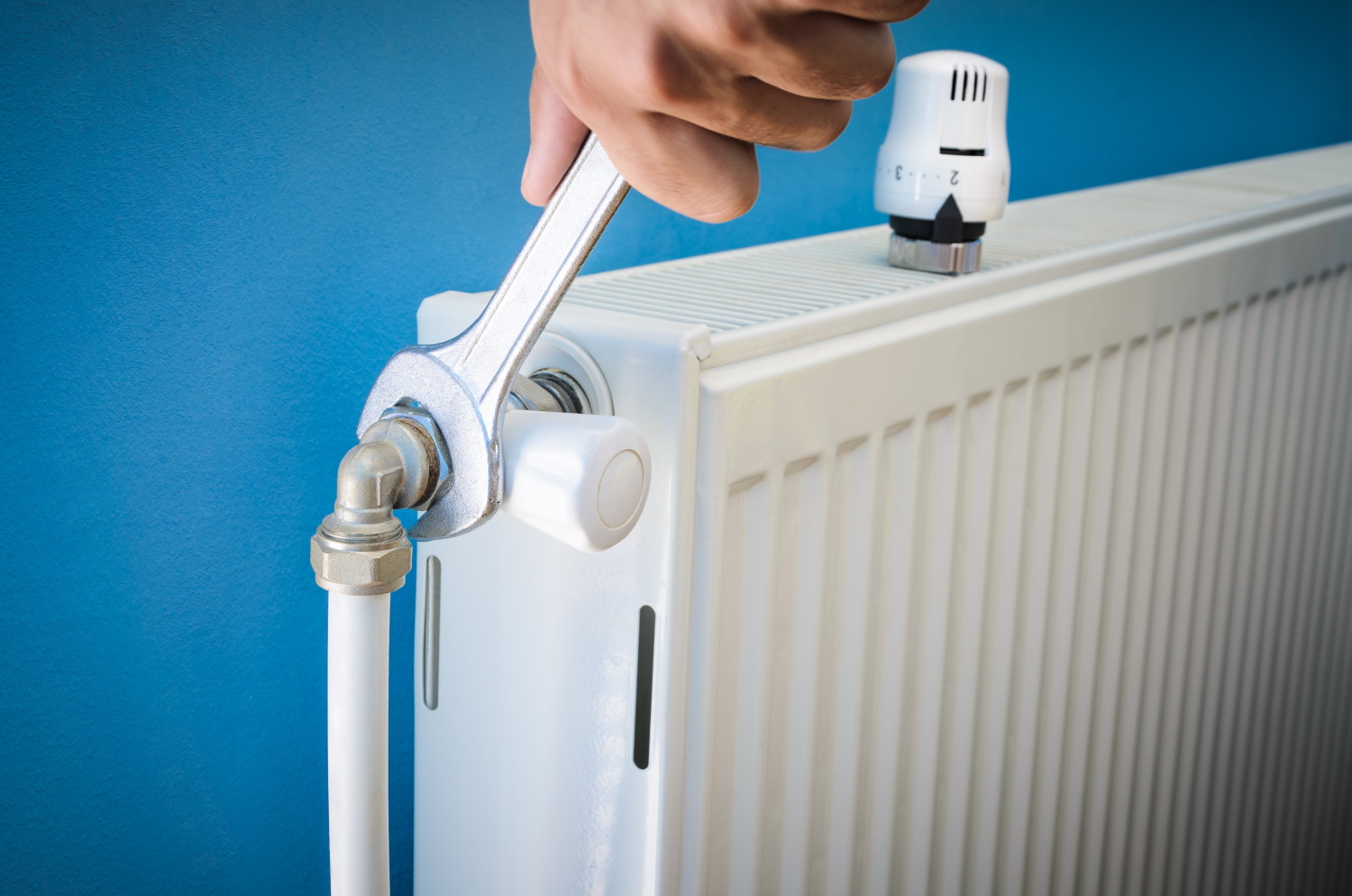
If you take your boiler to a technician for routine maintenance or a tune-up, you have most likely been advised that you require a radiator flush. But, is it really required to flush the radiator, or is the service primarily unnecessary? What precisely does radiator fluid accomplish, and when does a radiator flush become necessary?
What Is The Purpose Of Coolant?
Radiator fluid, often known as coolant or antifreeze, does exactly what its name implies: it keeps your radiator cold. Automobile engines grow hot, especially in hot weather, and if there is nothing to disperse the excess heat produced by the engine, your boiler might overheat and fail rapidly.
What Is The Purpose Of A Radiator Flush?
While radiator coolant is critical, it, like most fluids in the system, may generate undesired impurities and gather dirt over time. Radiator coolant can cause radiator corrosion over time, resulting in rust, scale, or other impurities in your boiler’s radiator.
This condition is solved with a coolant flush, which is like a blood transfusion for your cooling system. Flushing entails flushing the system with several gallons of cleaner, water, and fresh antifreeze to remove any old antifreeze and impurities that may have collected.
Creating Room For Fresh Fluid:
While draining the radiator may remove most of the old antifreeze, it may leave some coolant and debris behind, which will contaminate your new boilers and cause overheating. You want a full flush, which means removing everything old to create room for fresh fluid.
Aside from eliminating wasted antifreeze, cleaning the radiator may also remove rust and scale build-up on the radiator caused by old coolant, as well as lubricating and increasing the life of your water pump. Using the right additives during the coolant flush can also help avoid future leaks, foaming, corrosion, and buildup.
If you go to a professional for a radiator flush rather than doing it yourself, be sure the plumber thoroughly inspects the cooling system for any leaks that may need to be repaired. If you flush the radiator but overlook any leaks, you will most likely overheat again soon after.
How Can You Determine If Your Radiator Needs To Be Flushed?
Several indications may suggest that the radiator should be flushed right away. For example, if your automobile overheats, it usually indicates that your cooling system has a leak or that the coolant is tainted in some manner. If your coolant level appears to be pretty full despite the fact that your engine is overheating, flushing the radiator is definitely a smart idea.
Coolant seeping from beneath your boilers, shrieking or knocking, visible debris in the coolant, and steam or a weird stench emerging from the hood are all symptoms that an emergency radiator cleanse is required. IF you need any help contact idealgas and get free powerflush quote.
How Do You Clean A Radiator?
A radiator cleanse should cost you less than your expectations and it also depends on your decided budget. If your regular plumber is overcharging you, or if you’d rather take care of yourself and save money, here is how to flush your own radiator.
- Remove the radiator and coolant reservoir caps.
- Using the owner’s handbook, locate the radiator drain. Place the container that will catch the flushed antifreeze beneath the drain.
- Open the drain once the container has been appropriately positioned. Gravity will do the rest, pushing all of the antifreeze into your container.
- Fill the remaining space with water to about one inch below. The top of the radiator opening and add the radiator flush as indicated. There is a log list that is available for the most effective radiator cleaning and flush available – a tried-and-true recipe. That cleans the whole system in thirty minutes or less. Close the caps and run the engine for around 10 minutes at full power with the heater on.
- Allow the engine to cool before draining the radiator, refilling the system with water, and repeating the process.
- Drain the radiator once more, and this time add antifreeze.
- When you are through, make sure to carefully clean the area to remove any spilled antifreeze and completely wash your hands to remove any coolant or cleaning fluid that may have gotten on your skin.
What Happens If The Radiator Has No Powerflush Near Me Regularly?
Is powerflush near me the radiator necessary? What will happen if you do not? If your plumber has advised you to flush the radiator because. You are experiencing issues with your vehicle such as leaks. Steam, overheating fast, or a peculiar odour coming from under the hood. Failing to do so will result in these issues persisting and your vehicle’s performance suffering. If flushing the radiator addresses these problems, it is far preferable to do it now rather. Than later pay for a far more expensive repair.
Table of Contents

