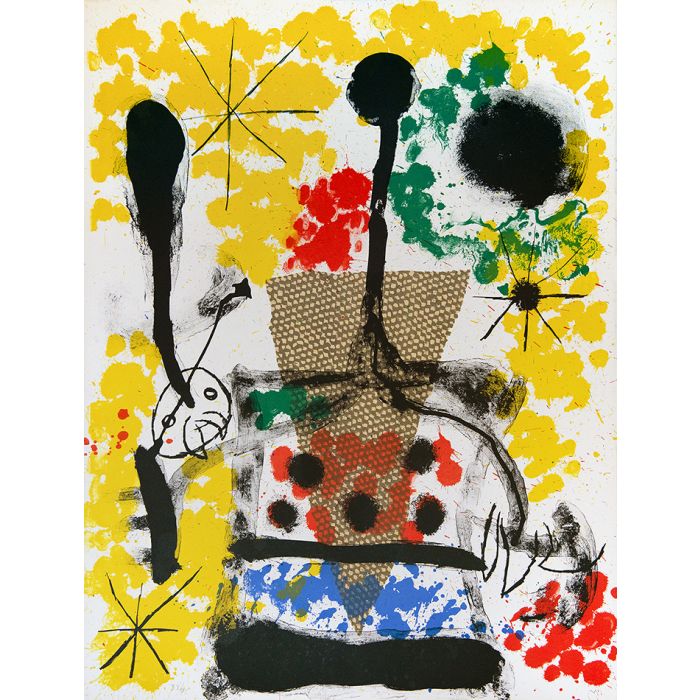
The nature of landscape painting has changed tremendously throughout the years, much like how the terrain of our globe has completely changed. Landscape painting has evolved from being an underappreciated genre to the main topic of some of the most known paintings in the world. It is much more than simply a nice image. With Artsper, travel through time and learn about the significant moments in the development of landscape painting. From this article, we will be exploring some of the most popular 20th Century landscapes and nature prints. If you are interested in collecting them, you may visit Shapero Modern.
Chinese landscape painting: a culture from the East
However, landscape painting in China was very well developed long before it was recognized as a distinct genre in the West. Shan shui, which dates back to the sixth century and is still widely used today, was the most typical art style for depicting a landscape at the time. Instead of using standard paint, a brush and ink are used to create this kind of landscape painting. The Taoist philosophical tradition is regarded as the source of inspiration for shan shui. This is, in a nutshell, the notion that yin and yang, or people and animals, must coexist in harmony with the natural environment. This is typically shown by juxtaposing the massive, substantial mountains that have long been revered in Chinese culture with the gentle, flowing water seen in rivers and waterfalls.
“Shan shui art is an item for the viewer’s thinking, not an open window for the viewer’s sight,” claims Ch’eng Hsi. The spiritual criteria of a work to be termed shan shui are vast; in contrast, features of the landscape painting like color or subject similarity are negligible. The road, the threshold, and the heart are the three main components on which they are founded. Firstly, the routes of shan shui, like those of rivers or the sun through the sky, can never be straight. In addition, this road must end with a welcoming threshold, like a mountain. Last but not least, the painting’s center point, the heart, to which all other aspects must lead.
Using landscape paintings from the Renaissance as a backdrop for stories
ShaperoModern noted that the transmission of tales with a focus on biblical, mythical, and historical subjects was still at the heart of Renaissance art in the West. As a result, there aren’t many instances of this era’s artwork that justifies the beauty of the landscape. It’s crucial to remember, too, that many of these tales were delivered with a backdrop of the outdoors. Landscape painting also benefited greatly from the mathematical developments in painting technique established during the Renaissance. The way landscape was shown underwent a change as a result of a greater grasp of perspective and proportion.
In fact, it wasn’t until the 16th century that landscape painting gained formal recognition as a separate genre. It brought together still life, historical painting, portraiture, and genre painting. Despite this, it was still seen as having little importance.
As in Landscape with Charon Crossing the Styx by Joachim Patinier, the artist’s travels have encouraged him to appreciate nature. The old legendary tradition of Charon and the Underworld is still the major topic, nevertheless. The pastoral, Picturesque, and Sublime aspects of Romantic landscape art, which conflict with one another.
With the development of Romanticism in the late 18th century, landscape painting gradually came into its own and often retained a religious connotation. As the painter’s feelings and respect for nature were expressed in the painting, it also evolved into a means of self-expression. Romantic art is difficult to categorize since it is essentially subjective and self-reflective. However, the Picturesque, the Pastoral, and the Sublime are considered to be the three main types of Romantic landscape painting. The Enlightenment era’s and the Industrial Revolution’s growing urbanization are reflected in all three types of landscape painting.
The beauty of nature prints
Picturesque paintings depict the beauty and untamed landscapes that have not been harmed by urbanization or human influence. The popularity of attractive locales led to the emergence of this style of landscape painting as people began to worry that they might eventually vanish.
Paintings portraying pastoral scenes primarily honor humanity’s taming of nature, or our dominance over the natural world. This is nicely shown in John Constable’s Flatford Mill with the river, wooden implements, and horse. Furthermore, the artist’s subtle use of color conveys a comfortable, tranquil environment.
The Sublime, in contrast, strives to reveal the amazing, heavenly force of nature for a totally different reason. The primary goal of sublime romantic landscape painting is to shock the viewer with the overwhelming grandeur of nature. It heeds warnings against those who would want to oppose it, including industrialists, with the idea that God’s anger is present in nature. This is excellently shown in Philip James De Loutherbourg poem, “Avalanche in the Alps,” which contrasts the massive, craggy rock face with the small humans hiding from the deadly avalanche.
Final words
Early modern landscape painting emerged in the late 19th century, starting with Impressionism. Oil paint tubes that could be transported allowed painters to work outside of a studio. As a consequence, landscape painting in the open air gained popularity, enabling artists to paint whenever they felt inspired.
The goal of impressionist landscape paintings is not to accurately depict every aspect of the scene. Instead of trying to capture the enthusiasm, focus on catching important details like the light, colors, and shadows. The artist is inspired by the first impression the sight makes on them rather than the scene itself. For instance, Claude Monet’s Impression soleil levant is among the most well-known Impressionist works and is also where the name “Impression” first appeared. The artwork captures the excitement of a dawn wonderfully, using color to show shifts in light and mood even though it isn’t specifically described. Visit Shapero Modern and you will be able to collect the best of these prints on your own.
Table of Contents