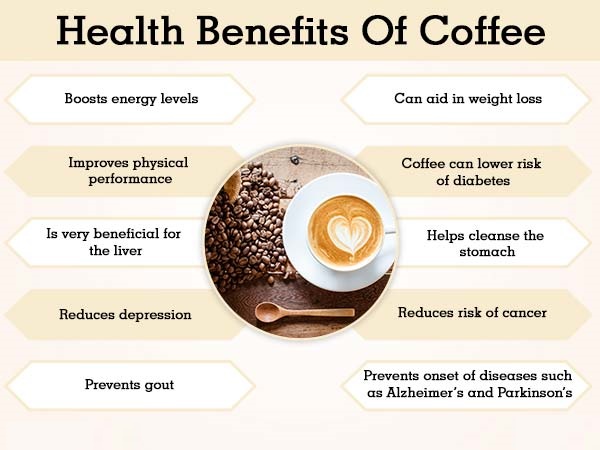
Most people start the morning with a cup of coffee to wake up and prepare for the day and now it seems that people have one more reason to make sure they start the day with this delicious hot drink; the nutrients it contains and the health benefits of coffee.
Coffee Subscription Australia is a service that allows customers to sample different types of coffee beans, roasts, and origins. Then, place an order on when and how frequently they want that coffee or a blend delivered to their doorstep.
The legend of coffee
According to legend, the goats discovered the wonders of coffee in the Arabian Peninsula. Kaldi, the goat herder, saw them dancing happily after consuming coffee beans, so he decided to try them himself. So Kaldi found out what most people in America know about coffee; helped wake him up. Thereafter, the monks in the area began to take advantage of the effects to keep them awake during their long prayer sessions. It worked so well that the monks started offering it to all the other monasteries.
That’s an interesting story about goats discovering coffee, but the truth is a bit mundane. Actually, coffee is supposed to have been discovered in Ethiopia. Someone took it to Yemen, where people began growing coffee on a large scale in the sixth century. The coffee shop then first found its way to the world in Cairo, Egypt and Mecca, Saudi Arabia. Now they are everywhere, practically on every corner.
Coffee Health Benefits
As people investigate coffee and the differences between those who drink it and those who don’t, they are discovering some very interesting facts about the good things coffee can do for the body. For example, those who drink coffee have fewer cases of the following diseases:
Type II Diabetes
Parkinson’s Disease
Dementia
Some cancers
Heart Disease
Strokes
Type II diabetes
To help prevent type II diabetes, people should drink at least six to seven cups of coffee a day. This amount of coffee per day reduces a person’s risk of Type II diabetes by 35 percent. Because patients diagnosed with type II diabetes are also at increased risk of heart disease and stroke, coffee also gets credit for reducing the amount of heart disease and stroke people experience.
Another effect of coffee is that it reduces cardiac arrhythmias. These disorders have been found to increase the rate of heart attacks and strokes in both men and women. Because coffee reduces the number of people with cardiac arrhythmias, it also indirectly reduces the number of heart attacks and strokes that all people experience.
Parkinson’s disease and dementia
Coffee drinkers have a reduced risk of Parkinson’s disease. Researchers are convinced of the link between Parkinson’s disease and the caffeine in coffee, although they cannot explain the effect of caffeine in preventing Parkinson’s disease. It also benefits dementia; Drinking three to five cups of coffee a day was found to reduce dementia by 65 percent in one study.
Coffee and liver cancer
Researchers can’t say for sure how, but coffee seems to reduce the number of liver cancers. All the tests that researchers have conducted on this point have yielded the same results; liver cancer is less common in people who drink coffee regularly.
Nutrients in Coffee
Coffee is full of antioxidants which are believed to be the reason why the number of people developing type II diabetes can be kept low. These nutrients, oxygen free radicals, ensure that cells are not damaged. Coffee also contains minerals that are very important in the body to regulate insulin. Magnesium and chromium help the body use insulin to control the amount of sugar flowing through the blood. People with type II diabetes lose the ability to control their blood sugar levels on their own, so the help that magnesium and chromium provide is very helpful.
Omega-6 fatty acids
The body needs omega-6 fatty acids and cannot produce them on its own. Coffee is a great source of omega-6 fatty acids with 27.6 milligrams per fluid ounce. Omega-6 fatty acids, also called polyunsaturated fats, are essential for maintaining brain function, promoting growth, stimulating healthy skin growth, bone growth, keeping the body’s metabolism in its healthiest state, and maintaining the system. reproductive body in good condition.
Coffee allergies
Coffee contains a large amount of caffeine, 0.3 milligrams per fluid ounce, and can be the cause of allergies for some people. Those who develop an allergic reaction to caffeine may experience hives, a skin rash that can be very itchy. This condition can spread throughout the body and create a condition called anaphylaxis, where the patient can no longer breathe and loses consciousness. It is a condition that must be treated with immediate medical attention.
Who shouldn’t drink coffee?
Doctors fear that pregnant women who drink large amounts of coffee may be at increased risk of miscarriage. They generally advise their patients to drink about 12 ounces of coffee a day; this number means drinking less than 200 milligrams of coffee, which is the safest amount for pregnant women. The number of fewer than 200 milligrams seems safe because research has not shown an increased incidence of miscarriage or promoting preterm birth; it also does not appear to affect fetal growth in any way.
Coffee, rather than the caffeine in coffee, can give people with urinary problems a reason to limit their intake. Caffeine is known as a property that makes one need to urinate more frequently. The answer will not be to drink decaffeinated coffee, as decaffeinated coffee has been found to have the same diuretic effects as regular coffee.
Another group of people who may want to cut back on coffee, both regular and decaf, are people who suffer from heartburn. Acids that can aggravate heartburn symptoms are present in both types of coffee, so they can make a person with heartburn even more uncomfortable. If the heartburn is worse in the morning and the person didn’t know what was causing it, it could be the coffee.
Table of Contents