
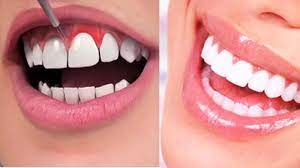
Gums Procedure
Gums Procedure also known as periodontal surgery is a type of dental procedure that involves modifying or repairing the tissues surrounding the teeth. This type of surgery is usually performed by a periodontist, a dentist who specializes in the treatment of gum disease and the supporting structures of the teeth.
There are several different types of gum surgery that may be performed, including:
- Pocket reduction surgery: This procedure is used to treat gum pockets, which are spaces between the teeth and gums that become infected and filled with bacteria. Pocket reduction surgery involves removing bacteria and infected tissue from the pockets, and reshaping the gums to reduce the depth of the pockets.
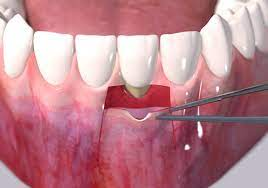
- Soft tissue grafts: This procedure is used to treat gum recession, which occurs when the gums pull back from the teeth and expose the roots. Soft tissue grafts involve taking a small piece of healthy gum tissue from another part of the mouth and attaching it to the area of gum recession.
- Bone grafting: This procedure is used to treat bone loss that has occurred as a result of gum disease. Bone grafting involves using a small piece of bone from another part of the body or a synthetic material to rebuild the bone in the affected area.
- Crown lengthening: This procedure is used to expose more of the tooth so that it can be restored with a crown or filling. Crown lengthening involves reshaping the gums and bone to expose more of the tooth.
Gum surgery is typically performed under local anesthesia, but may also be done under intravenous (IV) sedation or general anesthesia depending on the extent of the procedure and the patient’s needs. It is important to follow your periodontist’s instructions for post-operative care to ensure proper healing and the best possible outcome.
What Is Gums Procedure:
Gum surgery, also known as periodontal surgery, is a type of dental procedure that involves modifying or repairing the tissues surrounding the teeth. This type of surgery is usually performed by a periodontist, a dentist who specialized in the treatment of gum disease and the supporting structures of the teeth.
There are several different types of gum surgery that may be performed, including:
- Pocket reduction surgery: This procedure is used to treat gum pockets, which are spaces between the teeth and gums that become infected and filled with bacteria. Pocket reduction surgery involves removing bacteria and infected tissue from the pockets, and reshaping the gums to reduce the depth of the pockets.
- Soft tissue grafts: This procedure is used to treat gum recession, which occurs when the gums pull back from the teeth and expose the roots. Soft tissue grafts involve taking a small piece of healthy gum tissue from another part of the mouth and attaching it to the area of gum recession.
- Bone grafting: This procedure is used to treat bone loss that has occurred as a result of gum disease. Bone grafting involves using a small piece of bone from another part of the body or synthetic material to rebuild the bone in the affected area.
- Crown lengthening: This procedure is used to expose more of the tooth so that it can be restored with a crown or filling. Crown lengthening involves reshaping the gums and bone to expose more of the tooth.
Gum surgery is typically performed under local anesthesia, but may also be done under intravenous (IV) sedation or general anesthesia depending on the extent of the procedure and the patient’s needs. It is important to follow your periodontist’s instructions for post-operative care to ensure proper healing and the best possible outcome.
How To Implement Gums Procedure:
Gum surgery, also known as periodontal surgery, is a dental procedure that is usually performed by a periodontist, a dentist who specializes in the treatment of gum disease and the supporting structures of the teeth. If your dentist or periodontist has recommended gum surgery for you, here is an overview of what you can expect:
- Consultation: Before the surgery, you will meet with your periodontist for a consultation. During this appointment, your periodontist will assess the condition of your gums and teeth, discuss the recommended procedure with you, and answer any questions you may have.
- Pre-operative instructions: Your periodontist will provide you with instructions on how to prepare for the surgery, including any medications you may need to take or avoid, and any dietary restrictions you should follow.
- Anesthesia: Gum surgery is typically performed under local anesthesia, which numbs the area around the teeth. However, depending on the extent of the procedure and the patient’s needs, intravenous (IV) sedation or general anesthesia may be used.
- Procedure: During the surgery, your periodontist will make small incisions in your gums to access the underlying tissue. They will then remove any infected or diseased tissue and reshape the gums as necessary. In some cases, they may also use a graft of healthy gum tissue or synthetic material to rebuild the gums or support the teeth.
- Recovery: After the surgery, you will need to follow your periodontist’s instructions for post-operative care, which may include taking medications, avoiding certain foods and activities, and maintaining good oral hygiene. Your periodontist will schedule follow-up appointments to monitor your recovery and ensure that the surgery was successful.
It is important to follow your periodontist’s instructions carefully to ensure proper healing and the best possible outcome from the surgery. If you have any questions or concerns about the procedure, don’t hesitate to ask your periodontist or dental team.
Pros:
Gum surgery, also known as periodontal surgery, is a dental procedure that is usually recommended to treat gum disease and other conditions that affect the tissues surrounding the teeth. Some potential benefits of gum surgery include:
- Reducing gum pockets: Gum pockets, or spaces between the teeth and gums, can become infected and filled with bacteria. Gum surgery can help reduce the depth of these pockets, which can help prevent further infection and tooth loss.
- Treating gum recession: Gum recession occurs when the gums pull back from the teeth, exposing the roots. Gum surgery can help cover exposed roots and restore the gumline, improving the appearance of the teeth and reducing sensitivity.
- Rebuilding bone: Gum disease can cause bone loss around the teeth, which can lead to tooth loss. Gum surgery can help rebuild the bone, supporting the teeth and improving their stability.
- Improving overall oral health: Gum surgery can help improve the overall health of the mouth by removing infected tissue, reducing the risk of further infection, and improving the appearance of the gums and teeth.
While gum surgery can provide many benefits, it is important to carefully consider the potential risks and complications and to discuss these with your periodontist before deciding to undergo the procedure.
Conclusion:
Gum surgery, also known as periodontal surgery, is a dental procedure that involves modifying or repairing the tissues surrounding the teeth. This type of surgery is usually performed by a periodontist, a dentist who specializes in the treatment of gum disease and the supporting structures of the teeth.
There are several different types of gum surgery that may be performed, including pocket reduction surgery, soft tissue grafts, bone grafting, and crown lengthening. Gum surgery is typically performed under local anesthesia, but may also be done under intravenous (IV) sedation or general anesthesia depending on the extent of the procedure and the patient’s needs.
If you want to get amazing benefits by using this link
Gum surgery can provide many benefits, including reducing gum pockets, treating gum recession, rebuilding bone, and improving overall oral health. However, it is important to carefully consider the potential risks and complications of the procedure and to discuss these with your periodontist before deciding to undergo surgery. If you have any questions or concerns about gum surgery, don’t hesitate to ask your periodontist or dental team for more information.