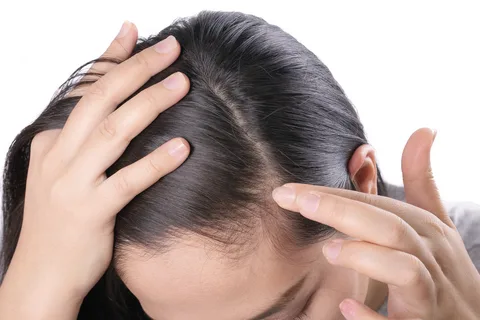
Scalp scabs are a common problem, but they can be very annoying if you have to suffer from them for long periods of time. Luckily, there are many options available to treat the condition, such as home remedies and medications. Here are some of them.
Acne
Scalp scabs are small blemishes that form on the scalp. They are caused by many different conditions, and they can be bothersome and irritating. It is important to treat these lesions promptly to avoid further complications.
Scalp scabs can be a sign of several skin problems, including dandruff and acne. If you are suffering from one of these conditions, you may have to look for a cure.
The best way to prevent scalp scabs is to avoid scratching them. Scratching them can aggravate the problem and spread the infection. Instead, try a warm compress to soften and drain the pus. You can also use medicated ointments to heal the scabs.
Another way to cure scalp scabs is to apply a thin layer of coconut oil. Coconut oil has anti-microbial and anti-inflammatory properties. It can help ease the symptoms of mild psoriasis and acne.
Eosinophilic folliculitis
If you suffer from Eosinophilic folliculitis, you will notice recurring itchy bumps on your scalp. This condition can affect people with HIV and AIDS. However, it does not affect healthy individuals. It can be treated with prescription medications and light therapy.
The main symptoms of Eosinophilic folliculitis are itchy, pus-filled bumps on your scalp. The disease is caused by a change in your immune system. Therefore, you should take precautions to avoid scratching the scalp. Wearing gloves can help you avoid picking at the skin.
In addition to itchy, pus-filled bumps, you may also experience bald patches. Eosinophilic folliculitis can cause inflammation of your scalp, which leads to infection and hair loss.
If you suffer from eosinophilic folliculitis, it is a good idea to get a doctor’s advice as soon as possible. Your scalp can be infected, and you may need antibiotics to treat the infection.
Contact dermatitis
Scabs on the scalp can be caused by a number of different problems, most of which are harmless. However, if a person notices that their scabs are persistent, or if they become infected, they may need to seek medical attention.
Scalp scabs can be the result of an allergic reaction, a bacterial or viral infection, or an injury. If the scabs are not healing properly, they may need to be removed with a skin biopsy. There are several ways to treat scalp scabs, including applying medicated shampoos, topical ointments, and herbal ointments.
Contact dermatitis on the scalp can also cause scabs. This condition occurs when a substance irritates the skin, which results in redness, itching, and inflammation. The scabs usually fall off within a few days.
Home remedies
Scabs on the scalp can cause irritation and itchiness. There are several ways to treat scabs naturally.
Scabs are usually itchy patches of skin that appear when the outer layer of the scalp becomes damaged or infected. They form as part of the natural healing process. The scabs should heal within 10 to 14 days. However, if you experience a persistent or severe outbreak of scabs, you should see a doctor.
Scalp scabs can be caused by a number of factors, including scalp infections, dandruff, and ringworm. When these conditions are left untreated, they can lead to more severe problems.
While scabs can be uncomfortable, they are not life-threatening. As long as they are treated, they should heal on their own. Fortunately, there are home remedies that can be used to speed up the healing process.
Hair loss after scalp scabs
Scalp scabs are a common condition that can be uncomfortable. They can itch, cause hair loss, and even cause infections. Fortunately, there are a number of ways to treat and cure scabs.
If your scalp scabs haven’t healed in a few weeks, it could be a sign of a serious health issue. You’ll need to visit your doctor for a diagnosis.
Scabs are part of the body’s natural healing process. When the skin is injured, it develops a protective crust that protects the new tissue as it grows. The crust may contain green pus. It is important to get a diagnosis for your scabs as soon as possible.
Typically, scalp scabs will fall off within a couple of days. Occasionally, they may take longer to heal. Depending on the severity of your condition, you may have to see a dermatologist.
Table of Contents