



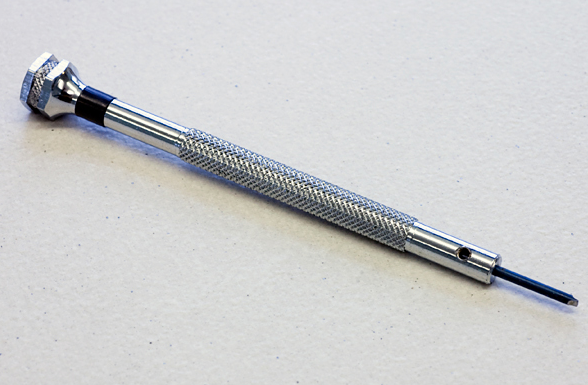
When assembling an all-screw assembly, you need to use a 1.6mm screwdriver. This is a special type of screwdriver that is made to use a special threaded draw plate. With this type of screwdriver, you can easily make a hole for the 1.6mm screws. You will also need a 1.6mm Tap to cut the threads into the draw plate.
1.6mm Tap to cut threads into the draw plate for the 1.6mm screws
To cut threads into the draw plate for 1.6mm screws, you need a Tap. You can either use a straight flute or a taper attachment. Using a Tap is a professional quality way to make your threads. It is also very easy to use.
First you need to decide what thread you want to cut. Some threads are square, while others are round. For square threads you need a special thread-cutter bit. Round threads are easier to work with. Then you need to find the appropriate pitch diameter. This is the diameter of the thread at the point where the space and the thread width are equal.
After you have drilled the initial hole, you can move onto cutting. To do this, you need to set your threading tool bit at the right angle. Ideally, it should be at the right end of the workpiece.
Next, you need to determine the major diameter and minor diameter. Major diameters are larger, while minor diameters are smaller. You can get these numbers from engineering and machinist handbooks.
1.6mm Screws decreased bone remodeling
Several studies have shown that the diameter of a screw may affect bone remodeling. One study has indicated that a smaller diameter device is more likely to maintain the vital interface between the bone and the implant. However, little is known about the long-term effects of diminished bone remodeling.
A study performed in mature beagle dogs determined whether a variety of diameters of screws would decrease bone remodeling. Researchers found that increased diameters of screws were associated with lower bone remodeling rates.
Using custom-machined titanium alloy (Ti6Al4V) screws, the researchers investigated the effects of screw diameter on the bone surrounding the implant. Specifically, they compared the biomechanical properties of screws ranging from 1.6 to 3.0 mm in a model edentulous bone substrate.
The study found that the 1.6-mm diameter screw exhibited a significantly lower bone remodeling rate than a larger-diameter screw. This finding was significant for both the nonloaded and loaded screws.
In addition, the maximum equivalent stress decreased when the diameter of the screw increased. When the diameter was 1.6 mm, the maximum stress dissipation rate was 29%, while for the 3.0 mm, the rate was 10%.
Using custom-machined titanium alloy (Ti6Al4V) screws, the researchers investigated the effects of screw diameter on the bone surrounding the implant. Specifically, they compared the biomechanical properties of screws ranging from 1.6 to 3.0 mm in a model edentulous bone substrate.
The study found that the 1.6-mm diameter screw exhibited a significantly lower bone remodeling rate than a larger-diameter screw. This finding was significant for both the nonloaded and loaded screws.
In addition, the maximum equivalent stress decreased when the diameter of the screw increased. When the diameter was 1.6 mm, the maximum stress dissipation rate was 29%, while for the 3.0 mm, the rate was 10%.

