



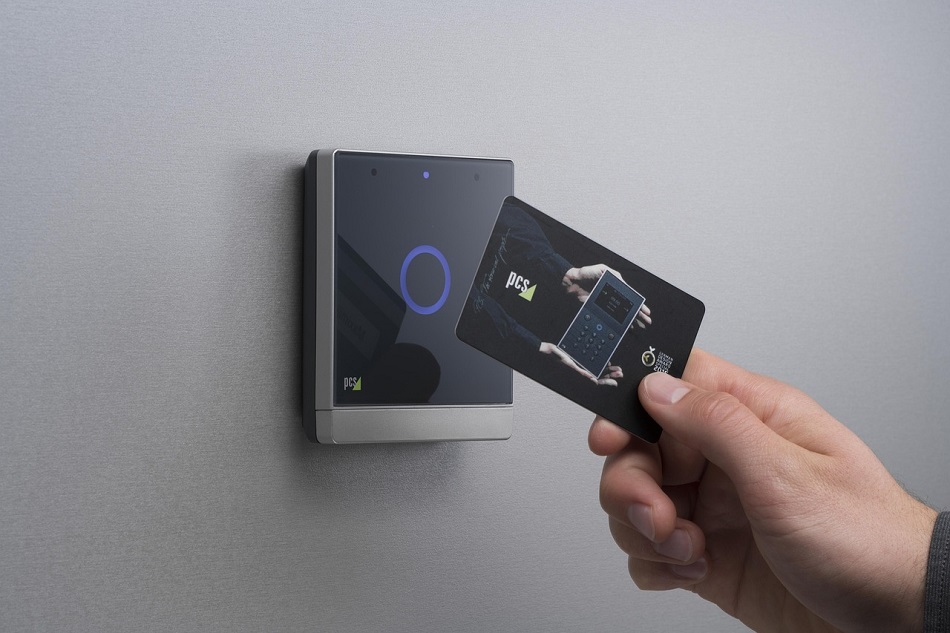
You’re aware of the craze around RFID in events. A tag and a reader can communicate with one another using a variety of wireless technologies known as radiofrequency identification, or RFID technology. RFID event solutions can be used for extremely close communication using near-field communication (NFC) tags or for long-distance communication using ultra-high frequency (UHF) tags. These tags may be incorporated into wristbands, name tags, plastic ID cards, and other items that attendees of an event may use.
RFID isn’t only used at large music events anymore, though. The technology may be used for many different types of events, from cashless food and drink festivals to races using RFID tags, to please spectators with shorter lines and interesting experiences. RFID technology has several advantages for both event organizers and participants. Before the event, companies may link their RFID wristbands or badges with their emails, social media profiles, and even wallets. RFID makes it possible for attendees to interact with you, your sponsors, and one another in new ways in addition to facilitating entrance and line flow throughout the event. This presentation will cover every aspect of RFID for events.
For the event, what is RFID?
A contactless data exchange technique that makes use of radiofrequency electromagnetic radiation is called radio frequency identification. RFID is used at events to keep track of and automatically identify attendees as they move about the area. RFID conference solution consists of three fundamental components: a tag, a reader, and a backend system. The microchip-equipped tag can be attached to something or worn as a tag. The radio signal from the reader powers the tag. It also makes it possible for the tag to send information back to the reader. Event organizers are able to measure attendance, restrict access to specific regions, and get analytical insights after processing this data through the backend system.
Tickets, cashless transactions, and access control are just a few of the applications for events where RFID technology may be employed. For instance, attendees can enter the event, purchase food and beverages, and participate in interactive activities using RFID wristbands or badges. This might do away with the requirement for paper tickets and cash, making the event experience more streamlined and effective. RFID technology may also be used to address security and safety issues. It may be used by organizers of events to monitor the movements of attendees and staff members, ensuring that only persons with permission can enter restricted areas. In crowded areas, RFID technology may also be utilized to locate lost items and people.
Advantages of RFID for events
Enhance your event with current information
RFID provides you with quick visibility into the movement of people throughout your event. This implies that for multi-day events, you may modify your gate arrangement or add more lanes using RFID data from the first day. Event organizers may use the data to decide where to place sponsor booths, toilets, and refreshment kiosks to reduce crowding during the event, as well as to find out which speakers and performers were the most popular.
Improve security and prevent fraud
Fake tickets are a thing of the past thanks to RFID chips, which are almost hard to copy compared to conventional print-at-home tickets. In addition, if visitors lose their tickets, you may help them without worrying about copies. You can quickly deactivate a lost wristband or badge and issue a replacement since each ticket is associated with a distinct ID. So it improves and secures the event ticketing process.
Go cashless
Forget about standing in line at the ATM. Attendees may now pay for meals, beverages, or products with only a tap of their wrist. Before the event, attendees may add their payment information to their RFID badges for events making it simpler than ever to make a purchase. Additionally, visitors can stop worrying about loss or theft and concentrate on enjoying your event because they don’t need to carry cash or drink tickets around with them.
Sustainability
Since RFID wristbands may be used at several events, they have a smaller environmental impact than single-use tickets or badges. This might help promote sustainability and lessen trash, something many visitors are beginning to value more and more.
Higher Revenue
RFID-based cashless transactions can increase revenue for event organizers. For instance, vendors may offer participants who have loaded a specific amount of money onto their RFID wristbands additional discounts or other incentives in order to entice them to spend more money at the event. This can help event planners increase their income and make sure the event is profitable. It is one of the best tools for event registration and ticketing.
Build relationships with sponsors
RFID offers sponsors fresh opportunities to communicate with and have fun with their attendees. Attendees may touch their wrists or display their badges to enter giveaways, compete, or “vote” in a poll thanks to RFID wristbands. Additionally, this enables sponsors to collect data in an unobtrusive manner. The greatest information for your sponsors? It’s simpler than ever for them to monitor booth activity and calculate return on investment.
Improve on-site attendee engagement
There are several opportunities for interaction after participants have their RFID badges or wristbands. The most well-liked are RFID-enabled picture booths. Attendees may easily email themselves their photos at the photo booth by just touching their wristband or badge. As a method of interacting with guests and gathering their contact information for lead generation. This choice is particularly well-liked for sponsor activations.
More rapid transactions
RFID-based cashless transactions can shorten wait times for attendees and speed up transaction times. Traditional payment methods may require attendees to wait in line, which may be annoying and time-consuming. RFID technology may enable transactions to be completed more quickly, allowing attendees to get back to enjoying the event.
Real-Time Data
This method may be used to gather real-time information on visitor behavior, such as the most popular booths or activities. This can help event organizers make data-driven decisions to improve the event’s overall experience. For instance, if one booth is getting a lot of traffic, organizers can opt to direct more resources there. Or rearrange the venue to better accommodate attendees.
Table of Contents

