



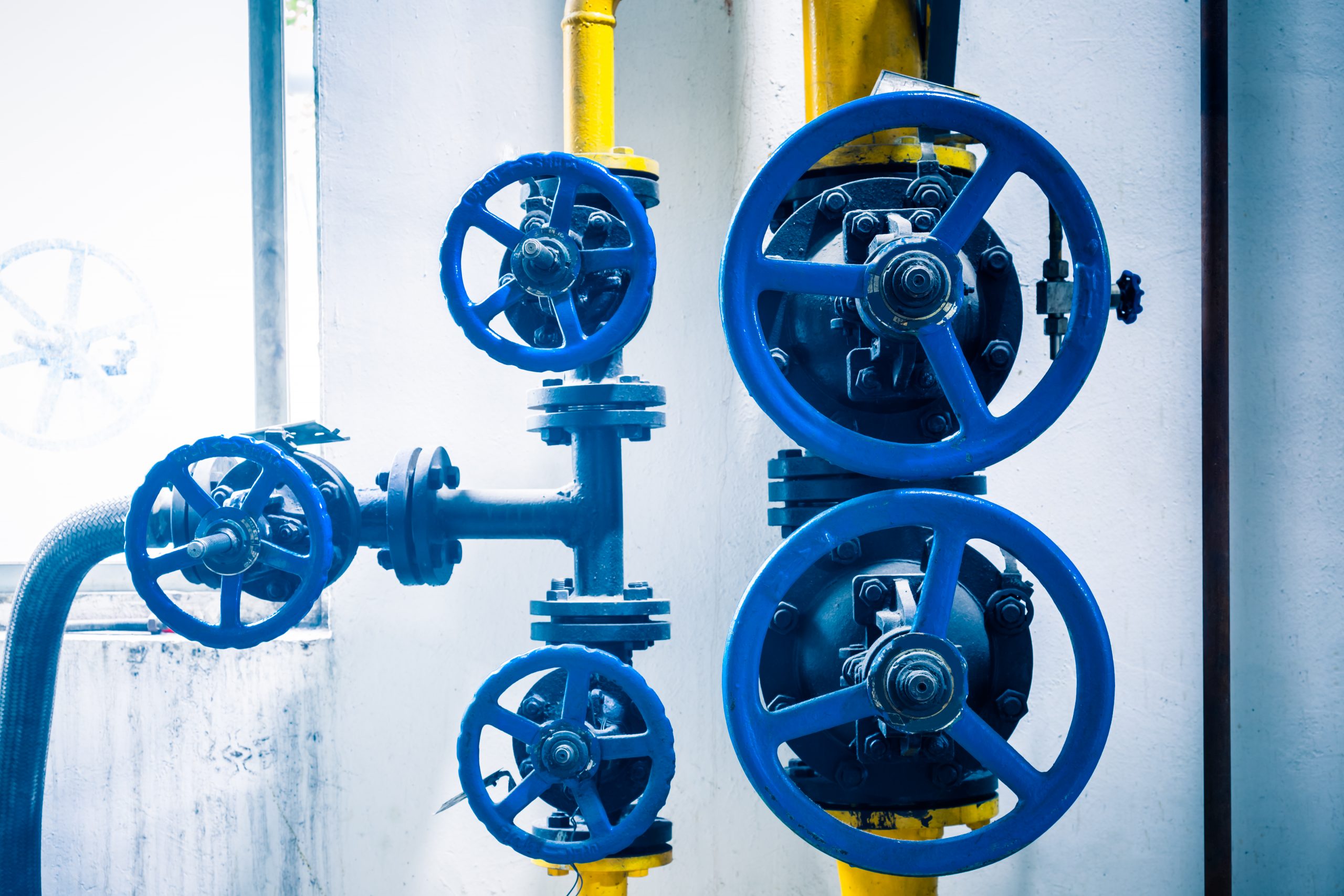
Industrial valves play an essential role in various industries by controlling the flow of liquids, gases, and other materials within pipelines and systems. They regulate pressure, control flow, and isolate sections of systems, ensuring smooth operations in critical environments such as manufacturing, water treatment, and oil & gas industries. Whether you are managing a chemical plant, power generation facility, or irrigation system, the right industrial valve can make a significant difference in your operational efficiency.
In this article, we will explore the different types of industrial valves, their applications, and the benefits of selecting high-quality valves for your systems.
What Are Industrial Valves?
Industrial valves are mechanical devices used to control the flow of fluids, gases, or slurries within a system. They can be designed to open, close, or regulate the flow of these materials based on specific operational needs. Industrial valves come in various shapes and sizes, with each type designed for a particular function. These valves can be manually or automatically controlled and are essential for systems that require precise control of flow and pressure.
From controlling the pressure in a steam pipeline to regulating water flow in a treatment plant, industrial valves ensure that processes are conducted safely, efficiently, and reliably.
Types of Industrial Valves
The variety of industrial valves available allows industries to choose the right valve for specific applications. Let’s dive into the most commonly used valve types in industrial systems.
1. Gate Valves
Gate valves are used to start or stop the flow of liquid or gas. They are commonly used when a full-on/full-off valve is needed. The gate in the valve rises or falls to allow or block the passage of fluids. Gate valves are ideal for situations where there is no need to regulate the flow and are commonly used in water treatment, oil pipelines, and other large-scale applications.
2. Ball Valves
Ball valves are used for quick shut-off and precise flow control. They feature a spherical ball inside with a hole that can be aligned or misaligned with the flow path. When the hole is aligned with the pipeline, water or gas can flow freely; when misaligned, the flow is blocked. Ball valves are highly reliable and durable, making them suitable for both high and low-pressure applications.
3. Globe Valves
Globe valves are ideal for regulating the flow of fluids. They provide precise control over flow rate and are commonly used in systems that require consistent operation, such as in heating, cooling, or steam systems. Globe valves use a movable plug to throttle the flow and offer fine adjustments.
4. Check Valves
Check valves are designed to prevent backflow in a system, which could cause contamination or damage to equipment. By allowing fluid to flow in only one direction, check valves are essential in preventing reverse flow, which could potentially cause dangerous situations in water treatment facilities, power plants, and chemical processing plants.
5. Butterfly Valves
Butterfly valves are widely used in large-diameter pipelines where quick and reliable flow control is needed. They feature a rotating disc that opens or closes to control the flow of fluid. Butterfly valves are lightweight and cost-effective, making them ideal for industrial water pipelines and HVAC systems.
Applications of Industrial Valves
Industrial valves are used across a broad spectrum of industries and applications. Below are some key sectors where industrial valves play a crucial role:
1. Oil and Gas Industry
In the oil and gas sector, valves are used in exploration, drilling, and refining processes. They regulate the flow of crude oil, natural gas, and refined products, ensuring safe and efficient operation in pipelines and machinery. Ball valves, gate valves, and check valves are commonly used in this industry due to their reliability and ability to handle high-pressure environments.
2. Water and Wastewater Treatment
In water treatment plants, industrial valves are essential for controlling the flow of water through filtration, chemical treatment, and distribution systems. They ensure that water is treated effectively and that clean water reaches the population without contamination. Globe valves and gate valves are commonly used to control water flow at various stages of the treatment process.
3. Power Generation
Power plants rely heavily on industrial valves to control the flow of steam, water, and chemicals through their systems. Valves are used to regulate pressure, temperature, and flow within the boilers, turbines, and heat exchangers. The proper operation of valves ensures optimal performance and prevents breakdowns in power generation facilities.
4. Chemical and Pharmaceutical Industries
Chemical and pharmaceutical industries need precise control over the flow of chemicals and other fluids. Valves help manage this flow in reactors, pipelines, and storage tanks. Corrosion-resistant and highly reliable valves like ball and diaphragm valves are commonly used to handle harsh chemicals safely.
5. Food and Beverage Industry
In the food and beverage sector, valves are used in processing and packaging plants. These valves help control the flow of water, steam, and other liquids used in food production. Hygienic valves are critical in ensuring safety and cleanliness, particularly in systems that process food and beverages.
Benefits of Using High-Quality Industrial Valves
Selecting the right industrial valve is crucial for maintaining the efficiency, safety, and longevity of your system. Here are some key benefits of investing in high-quality industrial valves:
1. Reliability
High-quality valves are built to withstand harsh environments and frequent use. They are designed to operate smoothly and consistently, reducing the chances of failure and costly repairs. A reliable valve ensures that your system continues to function at peak efficiency without downtime.
2. Enhanced Safety
In industrial systems, safety is a top priority. Faulty valves can lead to catastrophic failures such as leaks, pressure surges, or even explosions. By using quality valves that are designed to meet industry standards, you can ensure that your systems operate safely and reduce the risk of accidents.
3. Durability
Industrial valves are exposed to intense pressure, temperature variations, and sometimes corrosive fluids. Investing in high-quality valves ensures durability, as they are made from materials designed to withstand these conditions for years. This durability helps lower replacement costs and reduces maintenance frequency.
4. Cost Efficiency
Although high-quality valves may come with a higher upfront cost, they can save you money in the long term by reducing downtime, maintenance costs, and the frequency of valve replacements. The durability and reliability of quality valves result in better overall system performance.
Where to Buy Industrial Valves
If you’re looking for high-quality industrial valves, it’s important to select a reputable supplier that offers a wide range of options. Yaxing Valve is a trusted provider of industrial valves designed for various applications. They specialize in offering durable, reliable, and efficient valve solutions for industries such as oil and gas, water treatment, power generation, and more.
For more information on their range of industrial valves, visit Yaxing Valve and explore the best options for your systems.
Conclusion
Industrial valves are crucial components in many industries, ensuring the smooth regulation of fluid flow and enhancing system performance. Whether it’s for water treatment, chemical processing, or power generation, the right valve can make all the difference in operational efficiency, safety, and cost-effectiveness. By choosing high-quality valves from trusted suppliers like Yaxing Valve, you ensure that your systems remain reliable and perform optimally.
Table of Contents

