



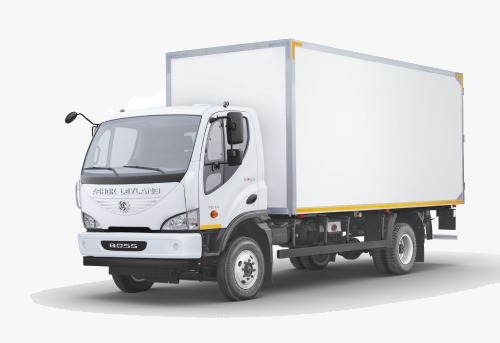
The logistics industry in Saudi Arabia is undergoing a transformation, largely driven by the growth and innovation in cargo vehicles. These vehicles play a crucial role in the smooth and efficient movement of goods across the Kingdom, which is essential for businesses involved in retail, manufacturing, distribution, and more. As Saudi Arabia continues to push for economic diversification and infrastructure development under its Vision 2030 initiative, cargo vehicles are at the heart of this transformation. In this article, we’ll explore the role of cargo vehicles in revolutionizing logistics in Saudi Arabia and how brands like CMC and Ashok Leyland lead the market.
The Role of Cargo Vehicles in Saudi Arabia’s Logistics Industry
Cargo vehicles are the backbone of the logistics industry in Saudi Arabia. Whether it’s for moving goods from one city to another or delivering raw materials to industrial sites, cargo vehicles are essential for keeping supply chains running smoothly. Saudi Arabia’s strategic location, with access to both the Red Sea and the Arabian Gulf, positions it as a critical logistics hub for regional and global trade.
The logistics industry in Saudi Arabia serves numerous sectors, including construction, oil and gas, retail, and agriculture. As urbanization expands and the demand for goods and services increases, the need for reliable, efficient, and advanced cargo vehicles has grown exponentially. These vehicles must be capable of handling long distances, diverse road conditions, and large payloads, which makes durability, fuel efficiency, and technology integration key factors in their design.
Enhanced Efficiency and Capacity
Cargo vehicles help businesses move larger quantities of goods more efficiently than traditional transport methods. The increasing reliance on e-commerce and the global demand for products have led to greater emphasis on quick, reliable deliveries. As a result, cargo vehicles equipped with the latest technology ensure faster turnaround times, route optimization, and improved fuel economy, making logistics operations more cost-effective.
Growth of E-commerce and Demand for Cargo Solutions
The rapid growth of e-commerce in Saudi Arabia has placed additional pressure on the logistics sector to meet the demand for fast, reliable deliveries. This has created a need for specialized cargo vehicles that can handle various types of goods, from perishable items to heavy industrial equipment. These vehicles are designed to meet specific requirements, whether it’s refrigerated transport for food and pharmaceuticals or large cargo for construction projects.
Why Brands Like CMC and Ashok Leyland Lead the Market
Two brands that have firmly established their presence in Saudi Arabia’s cargo vehicle market are CMC (China National Heavy Duty Truck Group) and Ashok Leyland. These brands are revolutionizing the logistics sector by offering advanced, high-performance vehicles that cater to the evolving needs of the industry.
CMC: Leading the Charge in Heavy-Duty Vehicles
CMC, a renowned Chinese truck manufacturer, has made significant strides in Saudi Arabia’s cargo vehicle market. Known for its heavy-duty trucks, CMC has become a trusted name in logistics due to the durability and cost-efficiency of its vehicles. These trucks are well-suited for the harsh terrain and extreme weather conditions often encountered in Saudi Arabia. CMC offers a wide range of cargo vehicles, including long-haul trucks, construction vehicles, and container transporters, all designed with fuel efficiency and low maintenance costs in mind.
Ashok Leyland: Innovation and Performance at the Forefront
Ashok Leyland, a leading Indian truck manufacturer, has been a driving force in the Saudi Arabian logistics industry for many years. Their robust portfolio of cargo vehicles is designed to meet the varied needs of businesses operating in the Kingdom. The Ashok Leyland truck range includes medium and heavy-duty vehicles that excel in long-distance transportation and high-capacity freight operations.
Ashok Leyland’s success in Saudi Arabia can be attributed to several factors. The brand is known for its focus on performance, safety, and innovation, offering advanced features like GPS tracking, telematics, and fuel-efficient engines. These technologies help businesses monitor and manage their fleets more effectively, reducing costs and improving operational efficiency. Moreover, Ashok Leyland trucks are built to withstand the harsh road conditions of Saudi Arabia, making them a popular choice for the logistics industry.
Durability and Cost-Effectiveness
Both CMC and Ashok Leyland are known for producing cargo vehicles that are not only durable but also cost-effective in the long run. Given the challenging conditions in Saudi Arabia, such as extreme temperatures and long-distance travel, businesses need cargo vehicles that can withstand wear and tear while offering low maintenance costs. These brands have developed their vehicles with these factors in mind, ensuring that their trucks continue to operate efficiently even under demanding circumstances.
Technological Advancements and the Future of Cargo Vehicles in Saudi Arabia
The future of cargo vehicles in Saudi Arabia is closely tied to technological innovation. In line with Saudi Arabia’s Vision 2030, the logistics sector is focusing on adopting new technologies that enhance operational efficiency and reduce environmental impact. As the Kingdom embraces smart cities and increased connectivity, cargo vehicles are being equipped with more advanced features, such as electric and hybrid engines, autonomous driving capabilities, and intelligent fleet management systems.
Ashok Leyland and CMC are at the forefront of this technological revolution. Ashok Leyland’s focus on telematics and smart fleet management ensures that businesses can track their vehicles in real time, optimize routes, and reduce fuel consumption. CMC, on the other hand, is investing heavily in electric trucks and green technologies, which are expected to play a pivotal role in reducing the carbon footprint of the logistics industry.
Conclusion
Cargo vehicles are a fundamental part of Saudi Arabia’s logistics industry, enabling businesses to move goods efficiently across the Kingdom and beyond. The growth of the e-commerce sector, combined with the Kingdom’s infrastructure development, has spurred an increasing demand for advanced, reliable cargo vehicles. Brands like CMC and Ashok Leyland are leading the charge in providing high-performance trucks that cater to the specific needs of the logistics sector. With technological advancements on the horizon, including electric vehicles and smart fleet management systems, the future of cargo vehicles in Saudi Arabia looks promising, ensuring that the logistics industry continues to thrive in the years to come.
Table of Contents

