



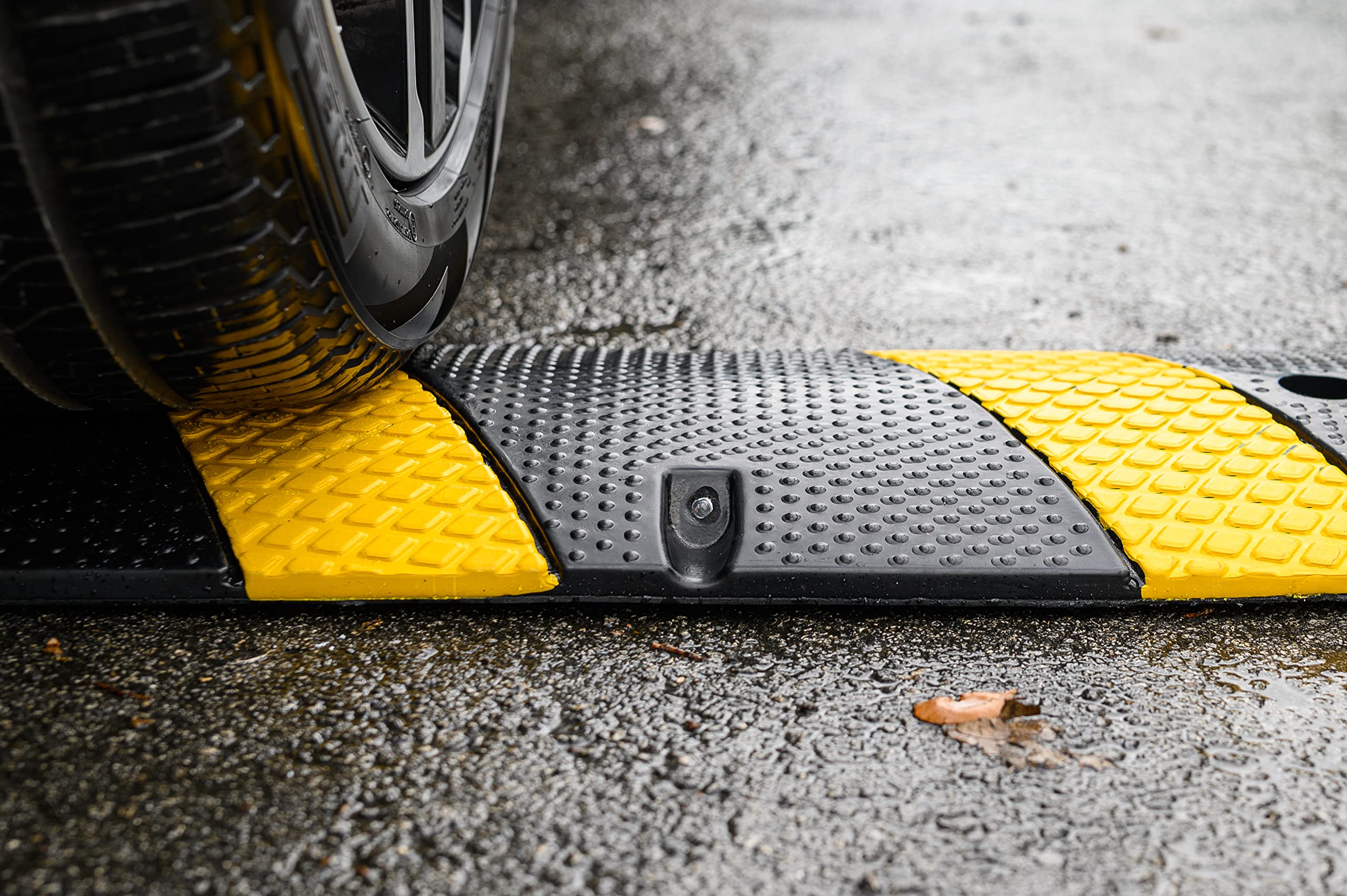
Traffic control is a major concern for cities and communities worldwide. Among the various solutions, speed bumps are a widely used measure to slow down vehicles and improve road safety. But are they a cost-effective solution?
In this article, we’ll explore the costs, benefits, and long-term value of speed bumps to determine whether they provide an efficient and economical approach to traffic management.
The Cost of Installing Speed Bumps
1. Initial Installation Costs
The cost of installing speed bumps varies depending on factors such as materials, labor, and location. Here are the typical price ranges:
- Asphalt Speed Bumps: $1,500 – $3,500 per bump
- Rubber Speed Bumps: $100 – $500 per section
- Concrete Speed Bumps: $2,000 – $4,000 per bump
Installation also requires additional expenses for signage, paint, and maintenance.
2. Maintenance and Longevity
- Rubber speed bumps require less maintenance and can be replaced in sections.
- Asphalt and concrete speed bumps are more durable but may require resurfacing over time.
With proper maintenance, speed bumps can last between 5 to 10 years, making them a long-term investment.
Cost vs. Effectiveness: Do Speed Bumps Work?
1. Reducing Speeding and Accidents
One of the main benefits of speed bumps is their ability to slow down traffic. Studies show that properly placed speed bumps can:
- Reduce vehicle speeds by 40% to 60%
- Decrease the number of accidents in residential areas
- Improve pedestrian safety near schools and crosswalks
2. Lower Costs Compared to Other Traffic-Calming Measures
When compared to alternatives like roundabouts, traffic lights, or raised crosswalks, speed bumps are a much more affordable solution.
| Traffic Control Measure | Average Cost | Effectiveness |
|---|---|---|
| Speed Bumps | $1,500 – $4,000 each | High |
| Roundabouts | $250,000+ | High |
| Traffic Signals | $200,000+ | Moderate |
| Road Narrowing | $50,000+ | Moderate |
For communities looking for a low-cost yet effective solution, speed bumps offer an excellent balance between affordability and impact.
Drawbacks and Considerations
While cost-effective, speed bumps have some downsides:
- Emergency Vehicle Delays: Fire trucks and ambulances may be slowed down.
- Noise and Complaints: Some residents may find them disruptive.
- Inconsistent Effectiveness: Poorly placed speed bumps may not significantly reduce speed.
Proper planning, placement, and material selection can help mitigate these concerns.
Conclusion: Are Speed Bumps Worth It?
Overall, speed bumps are a highly cost-effective traffic control measure. They offer an affordable way to reduce speeding, prevent accidents, and improve road safety with minimal long-term costs.
Table of Contents

