



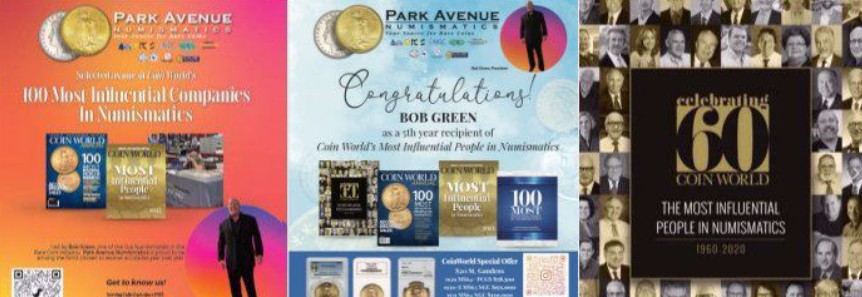
When you start looking into precious metals, two options stand out for most investors and collectors. You’ll find rare silver bullion for sale and rare silver coins for sale at most dealers. But here’s the thing. They serve different purposes. One focuses purely on metal value. The other combines that value with collectibility and historical significance. Knowing which one fits your goals makes all the difference in building a solid investment strategy. Park Avenue Numismatics has served collectors and investors since 1988, offering both categories with competitive pricing and expert guidance. Their team attends every major show and auction to source the best products for their customers. With over 35 years in business, they’ve built a reputation for quality service and commitment to customer satisfaction.
What Makes Silver Bullion Different from Silver Coins
Silver bullion products are all about the metal itself. You’re buying pure silver in bar or round form. The value tracks directly with the spot price of silver on the market. There’s no premium for rarity or historical importance. Just the metal weight and purity. Bullion comes in different sizes. You can get 1-ounce rounds, 5-ounce bars, or even larger denominations. The designs are usually simple. They serve as verification of weight and purity, nothing more. This simplicity keeps production costs low. That means lower premiums over spot price for you.
Silver coins work differently. They’re minted by governments and carry a face value. That face value is symbolic, way below the actual silver content. But here’s where it gets interesting. Some silver coins are collectible. Their value goes beyond just the silver they contain. Rarity, condition, mint year, and historical context all matter. A common date Silver Maple Leaf might trade close to spot price. But a rare date or special edition can command much higher premiums. This dual nature gives coins flexibility as investments.
The Price Factor: What You Actually Pay
When you shop for silver bullion, you see prices very close to the current spot price. Dealers add a small premium to cover their costs and profit margin. These premiums stay pretty consistent across different bullion products. A 1-ounce silver round from one mint costs about the same as one from another mint. Your main consideration is finding the lowest premium. Park Avenue Numismatics offers competitive pricing on their bullion products with unbeatable bulk discounts for larger purchases. They carry products from Golden State Mint, Highland Mint, and other trusted refiners.
Silver coins carry more varied premiums. Government-issued coins like the American Silver Eagle or Canadian Silver Maple Leaf trade at higher premiums than generic rounds. Why? They have government backing, guaranteed weight and purity, and are more recognizable worldwide. Collectible silver coins add another layer. A Morgan Silver Dollar in good condition might sell for several times its melt value. The same dollar in pristine uncirculated condition could fetch even more. You’re paying for the coin’s story, not just its silver content.
Liquidity Considerations: How Easy Is It to Sell
Bullion offers straightforward liquidity. Dealers buy it based on spot price plus or minus a small spread. You know what you’re getting before you walk in the door. The transaction takes minutes. There’s no debate about condition or authenticity when you have recognized brands. Popular 1-ounce rounds and bars from major mints move fastest. Larger bars might take slightly longer to sell simply because fewer buyers have the capital ready. But overall, bullion converts to cash quickly.
Silver coins present more nuance. Common date government coins sell easily, much like bullion. But collectible coins require more expertise to sell. You need a dealer who understands numismatics. Not every coin shop specializes in rare coins. This is where established dealers like Park Avenue Numismatics excel. Their staff knows the market. They can evaluate your coins fairly and make competitive offers. Their auction representation services help sellers get the best prices for truly rare pieces. For common date coins, liquidity matches bullion. For rare dates or high-grade coins, finding the right buyer matters.
Storage and Security: Practical Concerns
Both bullion and coins need proper storage. Silver tarnishes over time when exposed to air and moisture. For bullion, this tarnish doesn’t significantly impact value. You’re still selling the same silver content. Some investors don’t even worry much about tarnish on their bullion bars. But preventing it extends the life and appearance of your collection. Keep bullion in airtight containers or tubes. Store it in a cool, dry place. A home safe works for smaller collections. Larger holdings might warrant a bank safety deposit box.
Coins require more careful handling, especially collectible coins. Tarnish can reduce the grade and value of numismatic coins. Never clean silver coins yourself. Cleaning always reduces collector value, even when done carefully. Store coins in individual holders or capsules. Keep them away from materials that contain sulfur, which accelerates tarnish. For valuable collections, professional grading and encapsulation provides the best protection. The sealed plastic holders preserve the coin’s condition permanently.
Investment Strategy: Which Fits Your Goals
If you want simple precious metal exposure, bullion makes sense. You buy at low premiums. You sell easily. Your return depends on silver price movements. It’s a pure play on the metal’s value. Bullion suits investors who view silver as a hedge against inflation or economic uncertainty. You’re not trying to time collectible markets or identify undervalued rarities. You just want to own physical silver. The strategy is clear and straightforward.
Silver coins offer a hybrid approach. You get precious metal exposure plus potential upside from collectibility. This works if you enjoy researching coins and learning about numismatics. Some investors split their holdings. They keep the majority in bullion for core metal exposure. Then they allocate a smaller portion to collectible coins for potential appreciation beyond silver prices. This balanced approach captures both benefits. Park Avenue Numismatics helps customers with both strategies, providing want list services for collectors seeking specific rare coins while also offering bulk pricing on bullion products.
Authentication and Counterfeiting Concerns
Counterfeit precious metals are a real problem. Both bullion and coins face this risk. For bullion, stick with recognized brands. Products from major mints come with anti-counterfeiting features. Weight, dimensions, and magnetic properties help verify authenticity. Serious investors buy testing equipment. A digital scale, calipers, and a magnet catch most fakes. More advanced investors use specific gravity testing or electronic verifiers. These tools cost money upfront but protect against costly mistakes.
Coins face similar risks. Government-issued coins from official mints are harder to fake convincingly. The detailed designs and precise specifications make counterfeiting difficult. But counterfeiters keep getting better. Buy from reputable dealers who guarantee authenticity. Park Avenue Numismatics backs their products with their reputation built over 35 years. They source directly from authorized distributors and inspect all inventory. For rare coins, professional grading services provide another layer of protection. PCGS and NGC graded coins come in tamper-evident holders with unique serial numbers.
Tax and Legal Considerations
Silver bullion and coins generally receive the same tax treatment as collectibles in the United States. Long-term capital gains taxes apply at a higher rate than stocks or bonds. Rates can reach 28 percent for profits held over one year. Short-term gains are taxed as ordinary income. This tax treatment makes holding silver long-term more appealing. You minimize the tax bite on your profits.
Some dealers must report large purchases to the IRS. The rules vary by product type and quantity. Generally, purchases of certain bullion products over specific thresholds trigger reporting requirements. Cash purchases over ten thousand dollars require filing a form. These rules exist to prevent money laundering. They don’t mean you can’t buy silver legally. They just add paperwork. Reputable dealers like Park Avenue Numismatics handle all required reporting properly. They can explain what applies to your situation.
Market Trends: What Drives Prices
Silver bullion prices follow the commodity market. Industrial demand, jewelry demand, and investment demand all play roles. Economic uncertainty often drives investors toward precious metals. When stock markets fall or inflation rises, silver prices often climb. But silver also has significant industrial uses. Electronics, solar panels, and medical applications consume large amounts. Industrial demand supports silver prices even during good economic times. Supply comes mainly from mining and recycling. Mine production costs set a floor under prices.
Silver coin prices follow multiple factors. Common date coins track bullion prices closely. But rare coins have their own market dynamics. Collector demand drives prices for numismatic coins. When collectors have more disposable income, prices rise. When budgets tighten, rare coin prices can fall even if silver prices rise. Population reports from grading services show how many coins exist in each grade. Rarity combined with demand determines value. Some dates or mint marks are extremely scarce. Others had huge mintages. This rarity factor adds complexity but also opportunity for informed buyers.
Starting Your Collection or Investment
New buyers should start with research. Learn about silver content, weights, and premiums. Visit dealer websites like Park Avenue Numismatics to see current offerings and prices. Compare premiums across different products. For pure investment purposes, choose products with the lowest premiums over spot price. Generic 1-ounce rounds often offer the best value. For those interested in coins, start with common date government issues. Canadian Silver Maple Leafs, Austrian Philharmonics, and American Silver Eagles are good entry points.
Buy small amounts initially. Learn how the buying process works. Verify your silver at home. Test its authenticity. As you gain confidence, increase your position size. Many successful precious metal investors dollar-cost average. They buy the same dollar amount regularly regardless of price. This strategy removes emotion from timing decisions. You automatically buy more ounces when prices are low and fewer when prices are high. Over time, you build a position at a reasonable average price.
Building Long-Term Wealth with Silver
Silver ownership fits into a diversified portfolio. Financial advisors often recommend holding 5 to 10 percent of your portfolio in precious metals. This allocation provides inflation protection without overconcentrating risk. Silver offers more price volatility than gold but also higher potential returns during precious metal bull markets. The lower absolute price makes silver more accessible for smaller investors. You can buy multiple ounces of silver for the price of a fraction of an ounce of gold.
Whether you choose bullion or coins depends on your interests and goals. Bullion offers simplicity and low costs. Coins add the dimension of collecting and potential for above-market returns on rare pieces. Both serve as tangible assets you can hold in your hand. In an increasingly digital financial world, that physicality provides comfort to many investors. Your silver doesn’t depend on any institution’s solvency. It exists independent of the banking system. That independence makes precious metals attractive during uncertain times.
Conclusion: Making Your Silver Purchase Decision
The choice between rare silver bullion for sale and rare silver coins for sale isn’t one-size-fits-all. Your decision should reflect your investment timeline, budget, and personal interests. If you want straightforward metal exposure with minimal premiums, focus on silver bullion products. If you enjoy the historical and collectible aspects while still owning precious metal, silver coins offer that dual benefit. Many investors successfully combine both approaches in their portfolios.
Work with established dealers who prioritize customer education and fair pricing. Park Avenue Numismatics provides the expertise and inventory selection to support both types of buyers. Their 35-year track record and commitment to exceptional service make them a trusted source for precious metals. Whether you’re making your first silver purchase or adding to an established collection, understanding these differences helps you make informed decisions. Start small, learn continuously, and build your precious metal position over time. Silver has preserved wealth for thousands of years. With proper research and the right dealer relationship, it can play that role in your financial future too.
Table of Contents

