



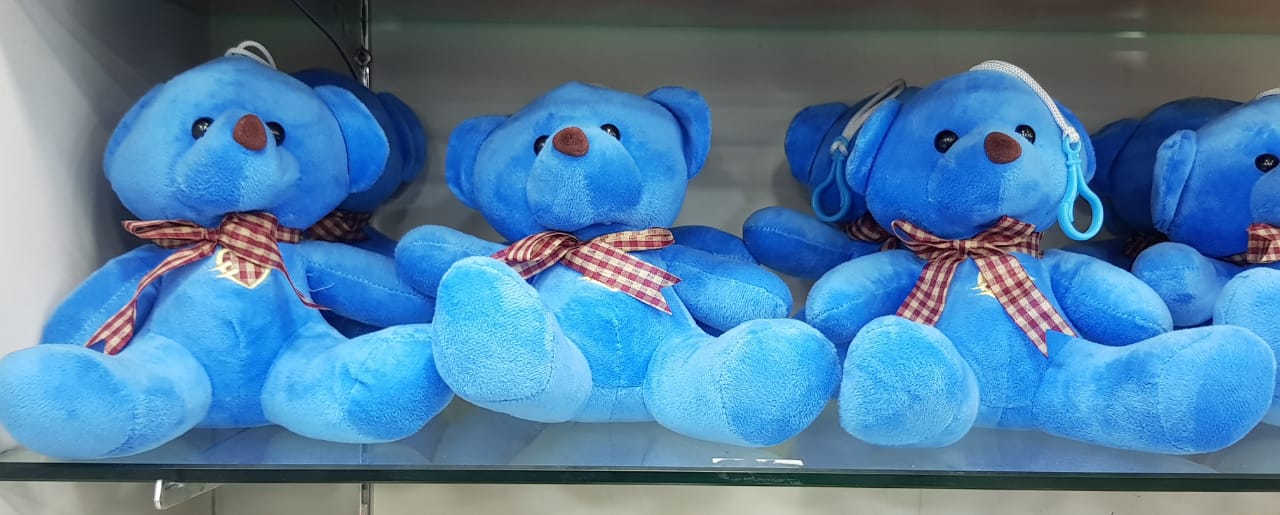
Creating a custom made plush toy is an exciting way to bring a unique character, design, or concept to life. Whether it is for personal use, gifts, promotional purposes, or business branding, the process requires careful planning, collaboration, and attention to detail. By following a structured approach, you can ensure that your custom plush toy meets your expectations in terms of quality, design, and safety.
Step 1: Define Your Concept
The first step in creating a custom plush toy is to define your concept. Consider the purpose of the toy, the intended audience, and the overall design. Will it be a character from a story, a company mascot, or a personalized gift? Think about the size, shape, colors, and features that will make your plush toy unique. Gathering reference images, sketches, or mood boards can help communicate your vision clearly to a manufacturer. A well-defined concept is the foundation for a successful custom plush toy.
Step 2: Choose a Reputable Manufacturer
Once you have a clear concept, selecting the right manufacturer is essential. A skilled custom made plush toy manufacturer can transform your idea into a high-quality product, offering guidance on materials, safety standards, and production techniques. Research manufacturers’ portfolios, client reviews, and certifications to ensure they have experience producing the type of plush toy you envision. Partnering with a reliable manufacturer helps streamline the production process and ensures that your toy meets both design and safety expectations.
Step 3: Select Materials and Fabrics
Materials play a crucial role in the look, feel, and durability of your plush toy. Common fabrics include polyester, cotton, minky, velour, and fleece, each offering different textures and finishes. Consider the type of stuffing as well, whether polyester fiberfill, weighted pellets, or a combination. Safety and comfort are especially important if the toy is intended for children. Discuss options with your manufacturer to choose materials that are durable, safe, and suitable for your toy’s intended use.
Step 4: Create a Prototype
Before mass production, it is essential to develop a prototype. The prototype serves as a physical model of your plush toy and allows you to evaluate the design, size, and overall appearance. Manufacturers will often produce a sample based on your specifications, which can be revised multiple times until it meets your expectations. This step ensures that any design issues, construction challenges, or material inconsistencies are addressed before proceeding to full-scale production.
Step 5: Approve Design and Features
After reviewing the prototype, provide feedback and request adjustments as needed. Pay attention to details such as stitching quality, proportion, accessory placement, and color accuracy. For plush toys with interactive elements or special features, test them thoroughly to ensure proper functionality. Approving the final design confirms that the toy is ready for production and helps avoid errors in the bulk manufacturing process.
Step 6: Determine Order Quantity and Packaging
Decide on the number of units you want to produce and the type of packaging required. Custom plush toys can be produced in small batches for limited editions or larger quantities for promotional campaigns and retail distribution. Discuss packaging options with your manufacturer, including individual wrapping, branded boxes, or protective inserts, to ensure that each toy arrives in excellent condition. Proper packaging also contributes to the overall presentation and value of the product.
Step 7: Oversee Production and Quality Control
During production, a reputable manufacturer will implement quality control measures to maintain consistency and safety. This includes inspecting raw materials, monitoring sewing and assembly, verifying stuffing distribution, and testing any interactive components. Regular checks throughout the process help prevent defects, ensuring that each unit meets your standards. Staying in communication with the manufacturer during production allows you to address issues promptly and maintain a smooth workflow.
Step 8: Final Delivery and Review
Once production is complete, the manufacturer will ship the completed plush toys along with any required documentation, including safety certificates and packaging details. Upon receiving the order, review the products to confirm that they match the approved prototype and meet your expectations. Any discrepancies can be addressed immediately with the manufacturer, ensuring satisfaction with the final product.
Conclusion
Creating your own custom made plush toy involves careful planning, collaboration with a skilled manufacturer, and attention to design, materials, and quality control. By defining your concept, selecting the right manufacturer, developing prototypes, and overseeing production, you can bring a unique, high-quality plush toy to life. Working with a trusted custom made plush toy manufacturer ensures that your design is executed safely, efficiently, and with professional craftsmanship, resulting in a product that is both memorable and market-ready.
Table of Contents

