



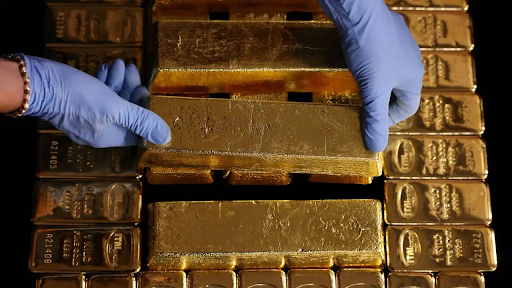
Gold has been one of the most revered and sought-after commodities throughout human history, cherished not only for its beauty but also for its monetary significance. However, the gold market price is never static; it fluctuates daily due to various factors. This volatility becomes even more apparent during festive seasons like Carnival, where global markets are influenced by a series of unique circumstances. So, what is the gold market price during Carnival Fest, and how do these influences contribute to its daily changes?
In this article, we’ll delve into what determines the gold market price, the dynamics during Carnival, and the factors that drive the gold price trend over one year. By the end, you’ll understand why gold prices fluctuate so unpredictably, especially during festive periods.
Understanding What Is the Gold Market Price
The term gold market price refers to the current rate at which gold can be bought or sold in the open market. It’s often denominated per ounce and fluctuates based on supply, demand, and macroeconomic factors. This price is established through global trading hubs such as the London Bullion Market, New York Mercantile Exchange (COMEX), and Shanghai Gold Exchange.
Gold prices are primarily determined in real-time by calculating the balance of buyers and sellers in a market influenced by financial, geopolitical, and seasonal factors. It’s an investment vehicle that many individuals and institutions consider a safe haven during uncertain times, making the gold market price exceedingly sensitive to external events.
What Happens to Gold Prices During Carnival Fest?
Festive seasons like Carnival create distinctive market conditions that can influence the demand for gold. Carnival Fest is celebrated widely in Latin America and enjoyed across many regions globally. With gold being deeply intertwined with cultural and religious festivities, there is often a notable uptick in demand during this season due to purchases for jewelry, gifts, and investments.
Increased Demand from Consumers
During periods of festivity, people often buy gold as a gift or jewelry to commemorate the celebrations. This sentiment-driven demand can push the market price of gold upward. During Carnival, nations with significant gold consumption, such as Brazil, often drive temporary spikes in gold prices.
Global Market Dynamics
The Carnival Fest isn’t just celebrated in isolation. The festival occurs at the start of the year, a period that typically experiences economic assessments for the previous fiscal year and predictions for the current one. Market expectations, monetary policies, and stock market trends during this time invariably affect gold prices.
Supply Constraints
Festive seasons sometimes place additional strain on gold suppliers who must keep up with surges in demand. If refinery output is disrupted or shipments are vulnerable due to logistical issues, the supply-side tightens, leading to noticeable upward pressure on gold prices.
Speculative Investments
Many investors utilize high-demand periods, such as Carnival, to speculate on the gold market price. The anticipation of increased demand might inspire traders to push prices higher in advance, ultimately resulting in heightened gold prices during the festive season.
Seasonal Trends
Gold purchases during seasonal festivities are a global phenomenon, not restricted to Carnival alone. Valentine’s Day often overlaps with Carnival, doubling the reasons for increased gold purchases during this time. Seasonal buying patterns contribute to periodic gold price rises.
Why Does the Gold Market Price Change Daily?
The daily fluctuation of the gold market price is part of the inherent nature of precious metals trading. Several critical factors influence this dynamic, from global financial decisions to localized events. Below, let’s explore the primary drivers of daily changes in gold prices:
Currency Value Fluctuations
Gold and the US dollar are inversely correlated, meaning that when the dollar strengthens, gold prices often fall, and vice versa. During Carnival Fest, fluctuations in currency values—sometimes driven by festive consumer spending or regional economic performance—can impact gold prices daily.
Inflation Rates
Gold has historically been used as a hedge against inflation. If inflation rates adjust unexpectedly—whether through policy interventions or economic growth—investors react accordingly, causing shifts in the gold market price. During Carnival, holiday spending and localized economic dynamics may indirectly influence inflation.
Interest Rates
Monetary policies, particularly in the form of interest rate announcements, can alter the price of gold significantly. Lower interest rates tend to drive investors toward non-yielding assets like gold. This rate trajectory contributes to daily movements and may interact with festive spending patterns.
Stock Market Performance
Gold prices are also indirectly affected by the equity market. When stocks stumble, investors often shift toward the safe haven asset—gold. Carnival celebrations sometimes coincide with yearly market evaluations, causing renewed interest in gold and resulting in daily price shifts.
Geopolitical and Environmental Factors
Gold often reacts to geopolitical instability, trade disputes, or environmental factors affecting mining and logistics. Carnival Fest, depending on the region, can witness geopolitical tensions that may play a role in daily gold price volatility.
Demand-Supply Imbalance
A higher festival-driven demand can lead to momentary imbalances between buyers and sellers, thereby altering market prices daily. Traders often take advantage of these imbalances, which results in micro-adjustments to gold prices.
Gold Price Trend Over 1 Year: Historical Insights
Understanding short-term changes in the gold market price is only part of navigating this commodity. Observing the gold price trend 1 year gives an investor a broader perspective on gold’s behavior. Here’s what historical data suggests:
Seasonal Fluctuations
Gold prices typically see spikes during periods of high demand, such as festivals, New Year, and prominent holidays like Christmas. After Carnival Fest, gold prices might stabilize only to rise again later during similar high-demand moments.
Economic Sentiment
Long-term trends are often driven by the prevailing global economic sentiment. If investors have a growing apprehension about recession risks, the demand for gold usually rises. Thus, Carnival Fest demand could merely be a feature of this broader context.
Policy Decisions
Central banks play a huge role in shaping the gold price trend over one year by altering interest rates or changing gold reserves policies. During high-inflation periods, gold prices tend to outperform other commodities.
Supply Chain Issues
Over the course of one year, any disruption in gold’s global supply chain—from mining to transportation—could amplify price changes significantly. This is highly relevant during festive seasons when demand is at its peak.
Current trends (up to October 2023) reveal gold prices experiencing consistent increases driven by inflationary pressures and geopolitical instability. Seasonal boosts during Carnival may add another layer to the yearly trajectory, temporarily inflating prices at this time of year.
How Governments and Investors React During Carnival Fest
Governments and central banks often consider festival-driven gold surges in their broader economic plans. Currency stability, market confidence, and inflation mitigation efforts dominate their goals. Not surprisingly, government policies can sometimes interact with the Carnival Fest’s gold price dynamics. For example:
Reserve Holdings
During festive seasons when supply chains are strained and consumer demand increases, governments might strengthen gold reserves as a precautionary measure.
Investor Behavior
Savvy investors leverage annual insights, such as the “gold price trend over one year,” to make well-informed decisions during Carnival spikes. Some view these high-demand moments as selling opportunities, while others invest in anticipation of higher future prices.
Conclusion
So, what is the gold market price during Carnival Fest, and why does it change daily? In essence, festive periods like Carnival bring about unique market conditions driven by surges in demand, seasonal trends, and consumer behaviors. These factors, coupled with traditional determinants such as inflation, currency value, and supply-demand imbalances, create highly volatile daily gold price movements. Observing the gold price trend over one year provides additional insights into how such moments fit into broader historical patterns.
Gold remains a powerful cultural and financial staple during Carnival Fest, symbolizing both wealth and celebration. For anyone navigating the complexity of gold valuation during such periods, understanding the intertwined socio-economic dynamics is key. As Carnival approaches, market participants globally will continue to witness intriguing changes in the gold market price—sometimes predictable, sometimes unexpected, but always indicative of society’s evolving relationship with this precious metal.
Table of Contents

