



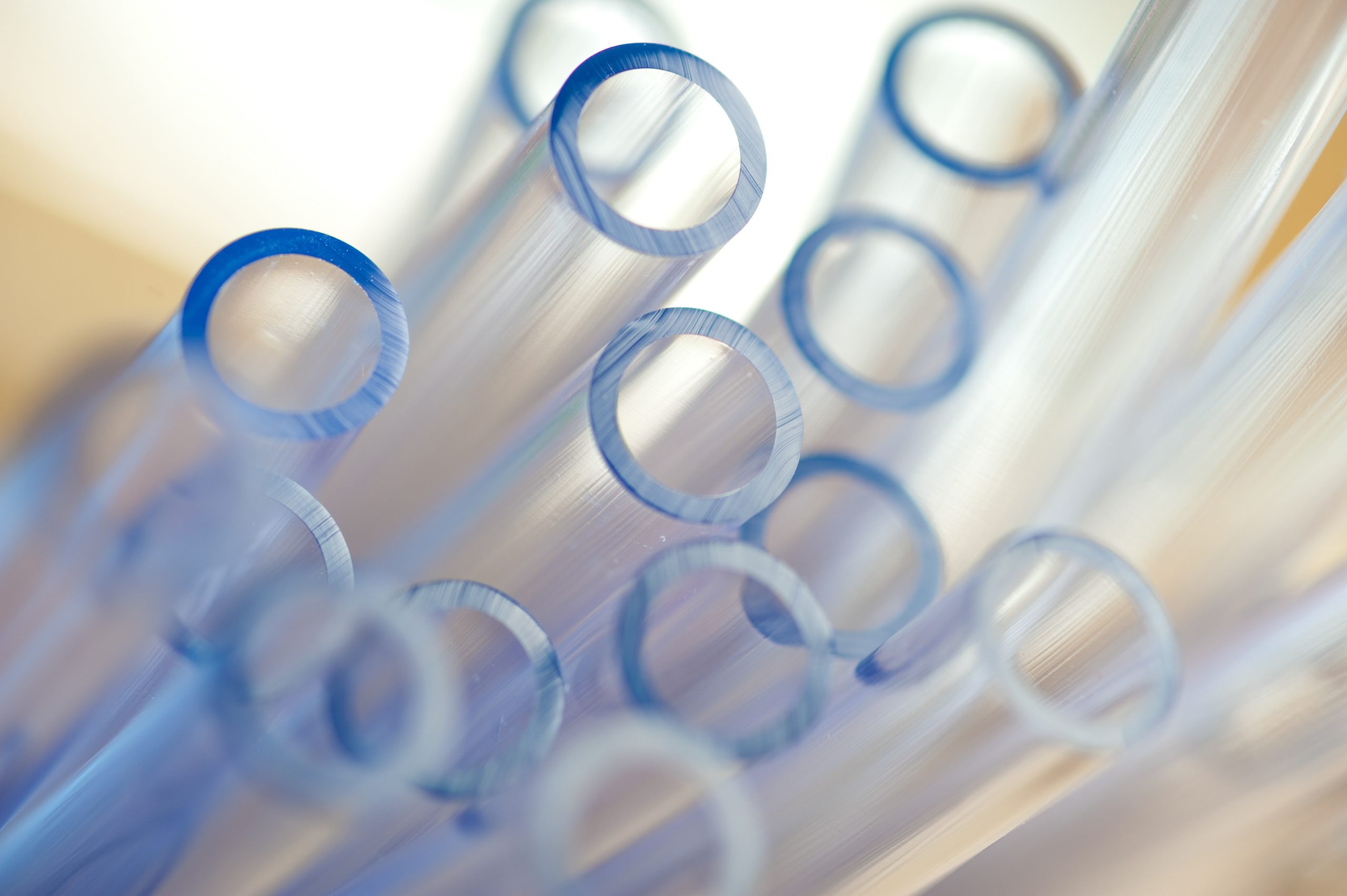
Medical grade tubing is a vital component in healthcare, pharmaceutical, and laboratory applications. It serves as a conduit for fluids, gases, and medications, ensuring precision, safety, and reliability. Over the years, advancements in material science, manufacturing techniques, and quality control have significantly improved the performance, durability, and safety of medical tubing. These innovations are transforming how medical devices and equipment operate, ultimately enhancing patient care and operational efficiency.
One of the key developments in recent years is the refinement of silicone and other high-performance materials. Medical Grade Tubing now incorporates advanced formulations that improve biocompatibility, chemical resistance, and thermal stability. These improvements allow tubing to withstand repeated sterilization processes, maintain structural integrity under high pressures, and resist chemical degradation. Modern silicone tubing is also less prone to microbial growth due to smoother surfaces and enhanced material purity, making it ideal for sensitive applications in surgical, diagnostic, and pharmaceutical settings.
Innovations in Material Science
Advances in material science have expanded the range of materials used in medical tubing. Beyond traditional silicone, thermoplastic elastomers (TPE), polyurethane (PU), and high-grade PVC have been optimized for specific medical applications. These materials offer varying levels of flexibility, chemical resistance, and mechanical strength, allowing manufacturers to match tubing characteristics to precise operational requirements.
Silicone remains the preferred choice for applications that require high biocompatibility and sterilization resistance. However, new blends of TPE and PU provide alternatives for high-pressure fluid delivery and long-term durability, while still maintaining safety and flexibility. Material innovations have also focused on reducing leachables and extractables, ensuring that tubing does not introduce contaminants into medical fluids, which is critical for patient safety and regulatory compliance.
Precision Manufacturing Techniques
Technological advancements in extrusion and molding techniques have greatly improved the consistency and performance of medical tubing. High-precision extrusion allows for tight control over inner and outer diameters, wall thickness, and length, ensuring uniformity and predictable flow rates in critical applications. This precision is particularly important for devices such as catheters, infusion lines, and multi-lumen tubing, where even minor variations can impact performance and patient outcomes.
In addition, modern manufacturing processes allow for more complex tubing designs, including multi-lumen structures, reinforced walls, and specialized surface treatments. Multi-lumen tubing enables simultaneous delivery of multiple fluids or gases through a single conduit, optimizing workflow in surgical and laboratory environments. Reinforced tubing adds mechanical strength for high-pressure applications, while specialized coatings or treatments improve chemical resistance and reduce microbial adhesion.
Automation and Quality Control
Automation has revolutionized the production of medical grade tubing. Computer-controlled extrusion and curing processes reduce human error and ensure consistent quality across large production batches. Automated inspection systems, including laser measurement and visual detection, allow manufacturers to detect defects such as irregular wall thickness, surface imperfections, or internal inconsistencies in real time.
These quality control advancements ensure that every length of tubing meets strict regulatory standards, including ISO and FDA requirements. Automated testing also allows for rapid iteration in product development, enabling manufacturers to respond quickly to emerging needs in the healthcare and pharmaceutical industries.
Sterilization and Post-Processing Enhancements
Modern production techniques also incorporate sterilization and post-processing improvements. Medical tubing is now designed to withstand repeated autoclaving, gamma irradiation, and chemical sterilants without losing performance. Advanced cross-linking techniques and material formulations increase thermal and chemical stability, extending the lifespan of reusable tubing and ensuring safety for sensitive applications.
Post-processing innovations include precision cutting, custom connectors, and color-coding for multi-line systems. These enhancements improve workflow efficiency, reduce errors in fluid handling, and allow for tailored solutions in complex medical and laboratory setups.
Sustainability and Eco-Friendly Practices
Recent advancements in tubing production also focus on sustainability. Many manufacturers are adopting recyclable materials, reducing waste, and optimizing energy consumption during extrusion and curing processes. Thermoplastic materials, in particular, allow for easier recycling compared to traditional PVC, while maintaining performance and biocompatibility standards. These eco-friendly practices are increasingly important as healthcare providers seek to minimize environmental impact without compromising quality or safety.
Future Directions
The future of medical grade tubing production is likely to include further integration with smart technologies. Embedded sensors and responsive materials could provide real-time monitoring of flow rates, chemical composition, or tubing integrity. Innovations in bio-compatible coatings and antimicrobial surfaces will further reduce infection risks and improve patient safety. Additionally, additive manufacturing and 3D printing could allow for on-demand production of custom tubing configurations, expanding the versatility and precision of medical devices.
Conclusion
Technological advancements in medical grade tubing production have transformed the healthcare and pharmaceutical industries. Innovations in materials, precision manufacturing, automation, sterilization, and sustainability have enhanced the safety, reliability, and performance of medical tubing. Modern silicone, TPE, and polyurethane formulations provide improved biocompatibility, chemical resistance, and durability, while advanced extrusion and quality control techniques ensure consistent and precise products. These developments support safer, more efficient medical procedures and pave the way for future innovations in medical device design and patient care.
Table of Contents

