



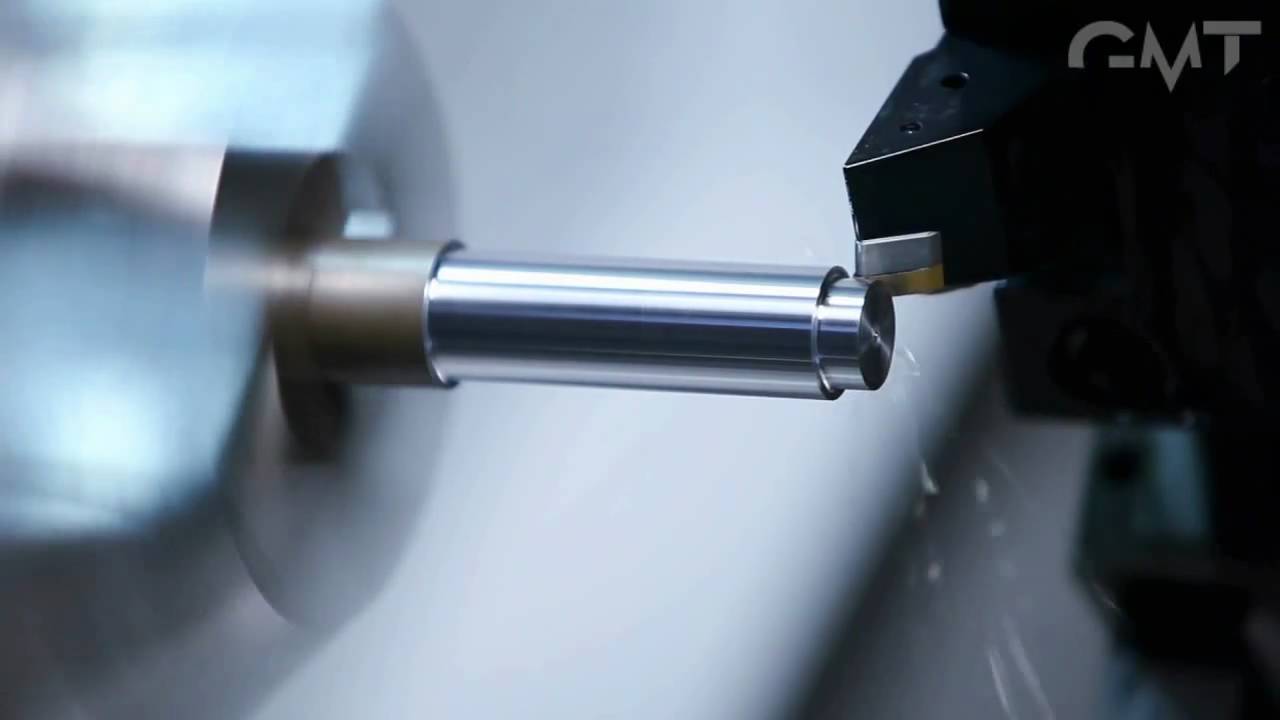
A 2 axis CNC lathe machine is a vital piece of equipment in modern manufacturing, offering precision, efficiency, and versatility for turning operations. These machines are capable of producing high-quality cylindrical components with consistent accuracy, making them essential for industries such as automotive, aerospace, electronics, and medical device manufacturing. To ensure optimal performance and longevity, it is crucial for operators and maintenance teams to follow a structured maintenance and optimization routine. Proper care not only improves the machine’s reliability but also reduces downtime and operational costs over time.
Maintaining a 2 Axis CNC Lathe Machine involves regular inspection, lubrication, and cleaning, along with proper calibration of key components. Many manufacturers rely on machines such as the 2 Axis CNC Lathe Machine because of their reliability, but even the most advanced systems require routine attention to maintain peak performance. Neglecting maintenance can result in tool wear, decreased machining accuracy, spindle problems, and eventual mechanical failure. By implementing a systematic approach to maintenance, manufacturers can preserve precision, enhance productivity, and extend the service life of their CNC equipment.
Daily Maintenance Practices
Daily maintenance is essential to keep a 2 axis CNC lathe running smoothly. Operators should begin each shift by visually inspecting the machine for signs of wear, damage, or loose components. Checking coolant levels, hydraulic fluids, and lubrication systems ensures that all moving parts operate smoothly and are protected from friction and heat. Cleaning the machine bed, guideways, and tool turret removes metal shavings and debris that can affect accuracy and cause premature wear.
Additionally, operators should verify that all safety features, including interlocks and emergency stop buttons, are functional. A quick test of the spindle and tool movements can identify potential issues early, preventing more serious problems during production. Recording these checks in a maintenance log helps track machine performance and allows for timely interventions when irregularities are detected.
Lubrication and Cooling Systems
Proper lubrication and coolant management are critical to maintaining the efficiency of a 2 axis CNC lathe machine. Guideways, ball screws, and spindle bearings must be regularly lubricated according to manufacturer specifications to reduce friction and wear. Automatic lubrication systems should be inspected for proper function, and any blocked or worn nozzles should be repaired immediately.
Cooling systems also require routine attention. Coolant levels should be monitored and replenished with the appropriate mixture to prevent overheating during long machining cycles. Periodic cleaning of coolant tanks and filters removes metal particles and contaminants that could reduce cooling efficiency or damage the machine. Maintaining optimal lubrication and cooling ensures that the machine can operate at higher speeds and accuracy without risking component wear or thermal distortion.
Tool Maintenance and Calibration
Cutting tools and tool holders play a critical role in machining quality. Regular inspection of tools for wear, chipping, or dullness is necessary to maintain dimensional accuracy and surface finish. Replacing worn tools promptly prevents unnecessary strain on the spindle and reduces the risk of producing defective parts.
Calibration of the tool turret and CNC controller is also essential for precision. Periodically verifying and adjusting tool offsets, spindle alignment, and axis movement ensures that the programmed dimensions match the actual output. Many advanced systems offer software-based calibration features that simplify this process and improve repeatability. Consistent tool maintenance and calibration directly enhance the performance and efficiency of a 2 axis CNC lathe machine.
Preventive and Predictive Maintenance
In addition to daily upkeep, preventive and predictive maintenance strategies can further optimize a 2 axis CNC lathe machine. Preventive maintenance involves scheduled inspections, part replacements, and system tests to prevent unexpected failures. This can include checking belt tension, inspecting electrical connections, and testing servo motors and drives for proper operation.
Predictive maintenance leverages data monitoring and analysis to anticipate potential issues before they occur. Many modern CNC machines are equipped with sensors that track spindle load, vibration, and temperature. Analyzing this data allows maintenance teams to schedule service only when necessary, reducing downtime and extending component life. Implementing both preventive and predictive approaches ensures maximum machine reliability and production efficiency.
Optimization Techniques
Optimizing a 2 axis CNC lathe machine goes beyond maintenance and focuses on improving machining performance and productivity. Proper programming of cutting speeds, feed rates, and tool paths minimizes cycle time while maintaining accuracy. Using high-quality cutting tools and selecting the appropriate machining parameters for each material enhances surface finish and reduces tool wear.
Operators can also optimize workflow by organizing tool layouts efficiently, minimizing tool changes, and planning batch production to reduce idle time. Integrating monitoring software allows real-time tracking of machine performance, providing insights for continuous improvement. These optimization strategies complement routine maintenance to ensure the machine operates at its full potential.
Conclusion
Maintaining and optimizing a 2 axis CNC lathe machine is essential for achieving consistent precision, extending equipment life, and maximizing production efficiency. Daily maintenance, proper lubrication, cooling management, tool calibration, and preventive measures form the foundation of a reliable maintenance routine. Coupled with optimization strategies, these practices help manufacturers reduce downtime, minimize operational costs, and achieve high-quality output. Whether in small workshops or large industrial facilities, a well-maintained and optimized 2 axis CNC lathe machine remains a key asset for efficient and precise manufacturing operations.
Table of Contents

