



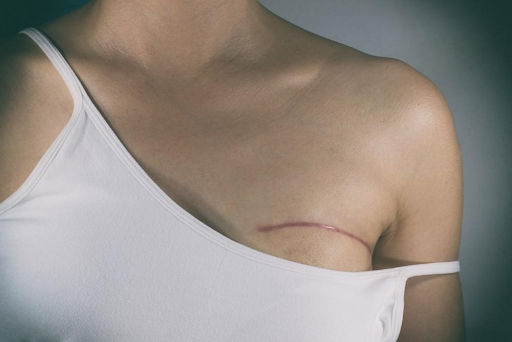
Breast cancer treatment often includes surgery to remove cancerous tissue from the breast. The recommended procedure depends on tumour size, stage of cancer, and lymph node involvement. Patients considering breast cancer surgery in cities like Delhi may come across different surgical options during treatment planning. Understanding these procedures can help patients discuss treatment decisions more confidently with their doctors. Modern surgical methods also support improved recovery and personalised treatment planning.
Why Breast Cancer Surgery Is Performed
Breast cancer surgery is performed to remove the tumour and reduce the risk of cancer spreading further. Surgery is often combined with treatments such as chemotherapy, radiation therapy, or hormone therapy, depending on the patient’s condition.
Doctors usually consider the following before selecting a surgical procedure:
- Tumour Size: Larger tumours may require the removal of more breast tissue.
- Cancer Spread: Lymph node involvement can influence treatment planning.
- Type of Cancer: Different breast cancers may require different surgical approaches.
- Overall Health: Recovery capacity and medical history are also assessed.
These factors help doctors prepare a treatment plan suited to the patient’s condition.
Breast-Conserving Surgery (Lumpectomy)
Breast-conserving surgery, also called lumpectomy, removes the tumour along with a small margin of surrounding healthy tissue. The remaining breast tissue is preserved wherever possible, depending on the size and location of the tumour.
Radiation therapy is commonly advised after lumpectomy to lower the chances of cancer returning in the same breast. Recovery is generally shorter compared to larger surgeries, although temporary swelling or discomfort may still occur during healing.
Mastectomy
A mastectomy involves removing the entire breast tissue and may be recommended when breast-conserving surgery may not provide suitable treatment outcomes. Doctors assess the size and spread of cancer carefully before recommending this procedure.
Doctors may advise mastectomy in situations such as:
- Large Tumours: The tumour may affect a significant portion of the breast.
- Multiple Tumours: Cancer may be present in different areas of the breast.
- Recurrence Risk: Some patients may be at higher risk of cancer recurrence.
- Radiation Limitations: Radiation therapy may not be suitable in certain cases.
Several forms of mastectomy are available depending on the patient’s condition.
Simple or Total Mastectomy
A simple mastectomy removes the entire breast tissue while preserving the chest muscles underneath. Nearby lymph nodes may also be assessed during surgery to check whether cancer has spread. This procedure is often considered when cancer remains confined to the breast without extensive spread.
Skin-Sparing Mastectomy
Skin-sparing mastectomy removes the breast tissue while preserving most of the outer breast skin. This approach is commonly considered when immediate breast reconstruction is planned after cancer surgery. Preserving the skin may help improve the appearance of the reconstructed breast, following careful medical evaluation.
Nipple-Sparing Mastectomy
Nipple-sparing mastectomy removes the breast tissue while preserving the nipple and surrounding skin. This surgery may be suitable for selected patients whose cancer is located away from the nipple area. Doctors carefully evaluate tumour size and cancer spread before recommending this procedure.
Sentinel Lymph Node Biopsy
Breast cancer can sometimes spread to lymph nodes located under the arm. A sentinel lymph node biopsy helps doctors determine whether cancer cells have reached these nodes during the early stages of treatment planning.
During this procedure, a few important lymph nodes are removed and examined for cancer cells. If no cancer is detected, additional lymph node surgery may not be necessary.
Axillary Lymph Node Dissection
Axillary lymph node dissection involves removing additional lymph nodes from the underarm area when cancer cells are detected during previous testing. This procedure helps doctors assess the extent of cancer spread more accurately.
Some patients may experience temporary side effects after surgery, including:
- Arm Swelling: Fluid build-up may cause swelling in the affected arm.
- Shoulder Stiffness: Some patients notice reduced shoulder movement during recovery.
- Numbness or Discomfort: Temporary irritation around the surgical area may occur.
Doctors may advise rehabilitation exercises and follow-up care to support recovery after surgery.
Reconstructive Breast Surgery
Reconstructive breast surgery aims to restore the shape of the breast after mastectomy. Reconstruction may involve implants or tissue taken from another part of the body, depending on the patient’s condition and treatment plan. For patients considering breast cancer surgery in Delhi, reconstruction is often discussed as part of overall treatment planning and recovery support.
Recovery After Breast Cancer Surgery
Recovery after breast cancer surgery depends on the type of procedure performed and the patient’s overall health condition. Some patients recover within a few weeks, while others may require longer follow-up support during the healing process.
Recovery care commonly includes:
- Wound Monitoring: Doctors monitor healing and signs of infection after surgery.
- Follow-Up Visits: Regular appointments help assess recovery progress.
- Physiotherapy Exercises: Gentle exercises may improve arm and shoulder movement.
- Emotional Support: Counselling may help patients during recovery.
Following medical advice and attending follow-up appointments can support a smoother recovery after surgery.
Conclusion
Breast cancer surgeries are planned according to the type and stage of cancer, along with the patient’s overall health needs. Procedures may range from breast-conserving surgery to mastectomy and lymph node removal. Understanding the different types of breast cancer surgeries can help patients discuss treatment options more confidently with their healthcare team and prepare for further treatment and recovery.
Table of Contents

