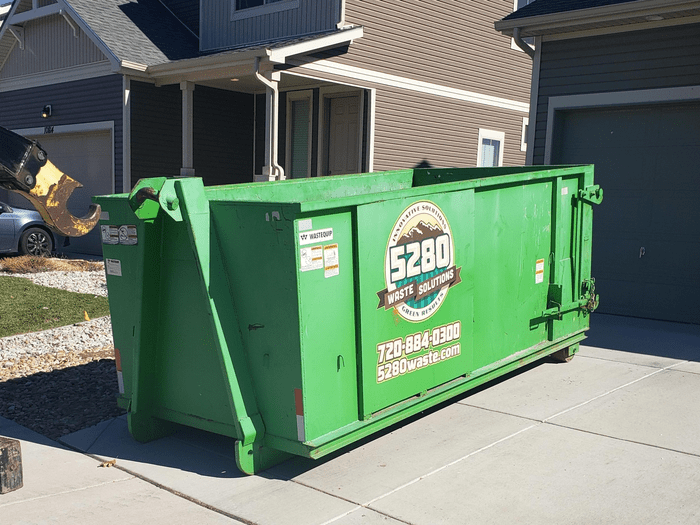
Are you living in Denver and have yard waste that needs to be disposed of? If so, you’ve come to the right place! With this comprehensive guide to yard waste disposal Denver, you’ll have all the information you need to safely and responsibly get rid of your yard waste. From composting to curbside pickup, there are several ways you can dispose of your yard waste in Denver.
With this guide, you’ll know all the options available to you as well as which one is best for your particular situation. We’ll also cover the rules and regulations in Denver related to yard waste disposal, so you can make sure you’re following all the necessary steps. So, if you’re looking for the best way to get rid of your yard waste in Denver, this guide will get you started.
What is yard waste disposal?
Yard waste disposal refers to the process of getting rid of your yard waste, such as leaves and grass clippings. There are several different ways you can dispose of your yard waste in Denver, such as composting or curbside pickup. Basically, you want to make sure you are disposing of your yard waste in a way that is safe and responsible for the environment.
Yard waste disposal regulations in Denver
Before you start disposing of your yard waste, you’ll want to make sure you are doing so according to the regulations. Your best bet is to check the rules and regulations on the City of Denver website. You will see that there are certain guidelines as to what can go in your yard waste bin.
For example, tree branches must be less than 12 inches in diameter and you cannot put food waste, meat, or dairy products in the yard waste bin. If you are going to compost your yard waste, make sure to follow the City of Denver’s composting guidelines.
The most important rule to follow when composting is that you need to keep food waste out of the compost pile. Food waste will make your compost pile too wet, which can lead to the growth of harmful microorganisms. You also want to make sure you are adding enough brown material to your compost pile, such as dead leaves or shredded newspaper. If you want to learn more about composting, we recommend reading our composting guide.
Benefits of composting
If you’re a Denver resident, there may be some confusion as to whether you should be composting your yard waste or putting it out with the rest of your trash. Thankfully, composting is a great way to reduce the amount of waste you produce and can even be used as fertilizer for your garden.
Composting is a natural process that uses bacteria and fungi to break down organic matter, such as leaves and grass clippings, into a rich soil that is full of nutrients. These nutrients can be used to fertilize gardens and other plants, reducing the need for synthetic fertilizers that may harm the environment.
In addition, composting will help you reduce the amount of trash you produce, which can help you save money on trash and trash removal services.
Curbside yard waste pickup in Denver
If you’re unsure whether composting is right for you, or if you just want to save a little bit of time, curbside yard waste pickup is a great option. Depending on the location you live in, you may be able to put your yard waste out once a week or once a month.
Check with your local government to find out the pickup schedule in your neighborhood. If you live in a HOA community, be sure to check your rules and regulations to see if they allow yard waste pickup. If they don’t, there are other ways to dispose of your yard waste in Denver.
Drop-off locations for yard waste
If you’re not sure what to do with your yard waste, you can always take it to a drop-off location. Most grocery stores have a drop-off location for yard waste. Many Denver residents choose this method because it’s convenient and you can usually do it on your way to other errands.
There are also several locations in Denver where you can drop off yard waste for free. For example, the city operates five urban composting facilities where you can drop off your yard waste. These facilities are open from 7 AM to 5 PM from Monday to Saturday.
Best practices for yard waste disposal
If you are composting your yard waste, make sure that you are using the right materials in your compost pile. It is important to maintain the right ratio of “greens” like yard waste, food scraps, and paper versus “browns” like wood chips, sawdust, or dried leaves.
If you are composting in a backyard compost pile or compost bin, follow these simple steps to make sure you are composting correctly:
Choose a site that gets full sun, has good drainage, and is protected from rodents and pests. You can test your soil to see if it’s compost friendly by doing a simple soil test. Start your compost pile with a combination of “greens” and “browns”.
Keep your compost pile moist. The trick to composting is keeping it moist enough so the bacteria can break down the organic matter, but not too moist so that it becomes anaerobic and smelly. Turn your compost pile.
You will want to turn your compost pile at least once every two weeks. This helps aerate the pile and keeps it from getting too compacted and smelly. Make sure you have the right ratio of “greens” to “browns” in your compost pile.
Hiring a yard waste removal service
If you are feeling overwhelmed or want to make sure you are doing everything correctly, you can hire a yard waste removal service in Denver. These services will come to your home and pick up all your yard waste, including leaves and grass clippings.
You can also hire a yard waste removal service to compost your yard waste for you. This way, you don’t have to worry about maintaining the right ratio of “greens” and “browns” in your compost pile.
You can just let the professionals take care of composting all of your yard waste for you. Another advantage of hiring a yard waste removal service is that you can have it picked up at any time, even if you don’t have the time to compost your yard waste.
Yard waste disposal safety tips
We’ve covered the basics of composting and curbside yard waste pickup, but what else can you do to stay safe during the yard waste disposal process?
Here are a few tips to keep in mind:
Use a compost bin or pile. This will keep your yard waste contained, so you don’t have to worry about it getting into your yard or going to a compost facility and getting contaminated. Make sure you have the right ratio of “greens” and “browns” in your compost bin or pile.
Don’t put meat, dairy products, or other food waste in your compost bin. Read the rules and regulations at the compost facility and make sure you are following them. Make sure you are keeping your compost bin moist enough.
This is usually done with watering cans and watering your compost regularly. Don’t let your compost bin get too hot. This can happen if you don’t turn your compost bin regularly.
Yard waste disposal resources in Denver
Now that you know all about yard waste disposal, it’s time to put your knowledge to the test. The best way to do that is to visit the resources in Denver where you can find more information.
You can visit the Colorado Department of Public Health and Environment’s website to learn more about composting and best practices. You can also visit the Denver Public Works website or call (720) 913-1326 to learn more about yard waste disposal and services in Denver.
Takeaways: A complete guide to yard waste disposal Denver
Hopefully, after reading this guide, you feel more confident about the yard waste disposal process. The most important thing to keep in mind is that you want to make sure you are doing your part to keep the environment clean. Yard waste can be dangerous for wildlife and pollute waterways if it is not disposed of correctly. Making sure you are disposing of your yard waste responsibly is one of the best ways to keep your environment clean.
References:
1-A decision support system for urban waste management
https://doi.org/10.1016/S0377-2217(98)00061-7
2-Economic Efficiency Effects of Alternative Policies for Reducing Waste Disposal
https://doi.org/10.1006/jeem.1993.1046
Table of Contents