



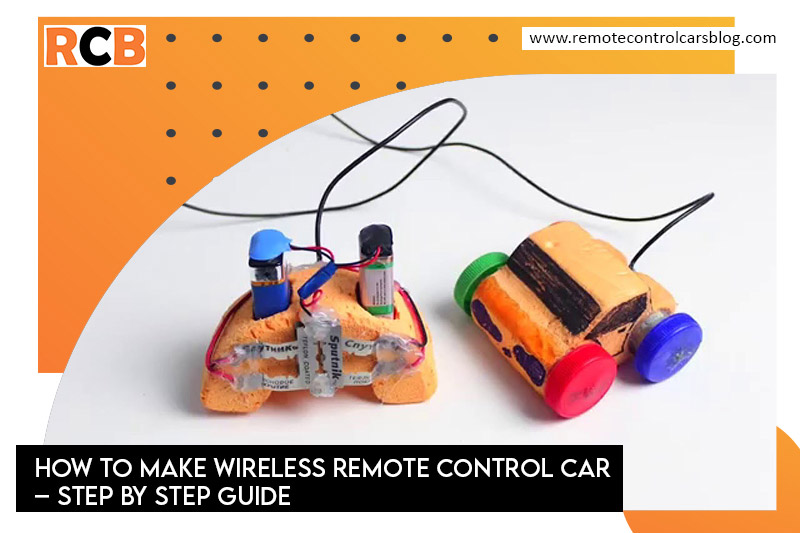
Remote control kit
A radio-controlled (RC) car or truck kit is a collection of parts and materials that are used to build a remote-controlled vehicle. These kits typically include the chassis, wheels, and body of the vehicle, as well as an electronic speed control (ESC) unit and a receiver. make remote controlled car some kits may also include a motor, battery, and charger. The instructions provided with the kit will guide you through the process of assembling the car or truck. Once assembled, the car or truck can be controlled using a remote control unit, which sends signals to the receiver on the vehicle, allowing you to steer and control the speed of the car.
Soldering iron and solder
A soldering iron is a tool that is used to melt and join together two or more metal pieces by melting and flowing a filler metal (solder) into the joint. Soldering is a common technique used in electronic repair and assembly, and is useful for creating electrical connections between components.
A soldering iron typically consists of a handle and a heated tip. The handle is insulated to protect the user from the heat, and the tip is heated to a high temperature (usually around 700°F or 371°C) using an electric current. The tip of the soldering iron is then applied to the metal pieces that need to be joined, melting the solder and creating a strong, electrically conductive connection.
Solder is a metal alloy that is used to join two or more metal pieces together. It is made of a combination of metals, typically including tin and lead, and is melted and flowed onto the joint using a soldering iron. Solder is available in various forms, including wire, paste, and preformed shapes, and is chosen based on the specific application and the materials being joined. When used in conjunction with a soldering iron, solder creates a strong, reliable connection that is resistant to vibration and temperature changes.
Wire stripper tool
A wire stripper is a tool that is used to remove the insulation from the ends of electrical wires. It is commonly used in electrical work and electronic repair and assembly, and is an essential tool for many projects.
Wire strippers typically consist of a pair of jaws with serrated or notched edges. The jaws are designed to grip the wire securely and hold it in place while the insulation is stripped away. Some wire strippers also have built-in cutting blades for cutting the wire to a specific length.
To use a wire stripper, the wire is inserted into the jaws of the tool and the insulation is stripped away by squeezing the handles together and pulling the wire through the jaws. The wire stripper can be adjusted to strip wire of different sizes by adjusting the width of the jaws or by using a different set of jaws. Wire strippers are an efficient and precise way to remove insulation from wire and are essential for many electrical and electronic projects.
Electrical tape
Electrical tape is a type of insulating tape that is used to insulate electrical wires and prevent electrical shorts and other hazards. It is made of a flexible, insulating material that is coated with a pressure-sensitive adhesive, allowing it to be easily applied and removed.
Electrical tape is widely used in a variety of electrical and electronic applications, including wiring, splicing, and repair. It is available in a range of colors, including black, white, red, and green, and can be used to color-code wires for easy identification. Electrical tape is also resistant to temperature changes and moisture, making it suitable for use in a variety of environments.
To use electrical tape, the tape is simply wrapped around the wire or component being insulated, with the adhesive side of the tape sticking to the surface. The tape should be applied in a smooth, even layer, with no gaps or overlaps, to ensure complete insulation. Electrical tape is an essential tool for many electrical and electronic projects and is widely used in homes, businesses, and industrial settings.
Screwdriver
A screwdriver is a tool that is used to turn screws. It consists of a handle and a shaft with a tip that is designed to fit into the head of a screw. The tip of the screwdriver is inserted into the screw and the handle is turned, causing the screw to turn as well. Screwdrivers are available in a variety of sizes and shapes to fit different types of screws.
Screwdrivers are used in a wide range of applications, including construction, carpentry, and home repair. They are an essential tool for many projects and are commonly found in toolboxes and workshops. There are several different types of screwdrivers, top rc car crashes including slotted, Phillips, Robertson, and hex, each of which is designed to fit specific types of screws. Some screwdrivers also have interchangeable tips, allowing them to be used with multiple sizes and types of screws.
Hot glue gun (optional)
A hot glue gun is a tool that is used to dispense hot glue, a type of adhesive that is melted and applied in a liquid form. Hot glue guns are widely used in a variety of crafting and repair projects and are popular because they are easy to use and provide a strong, durable bond.
Hot glue guns work by heating a stick of hot glue until it becomes liquid. The liquid glue is then dispensed through a nozzle, allowing it to be applied to a variety of surfaces. The glue cools and hardens quickly, forming a strong bond that is resistant to vibration and temperature changes.
Hot glue guns are available in corded and cordless versions, and are commonly used for tasks such as attaching decorations, bonding materials together, and sealing envelopes. They are an effective tool for many projects and are often used in conjunction with other types of adhesives for added strength.
Build the car or truck according to the instructions in the kit. This will typically involve assembling the chassis, wheels, and body of the vehicle.
Building a radio-controlled (RC) car or truck typically involves assembling the chassis, wheels, and body of the vehicle using the parts and materials provided in the kit. The specific steps involved will vary depending on the specific kit you are using, but the general process is as follows:
Begin by assembling the chassis, which is the frame or structure of the car or truck. This may involve attaching the wheels, axles, and other structural components to the chassis using screws, nuts, and bolts.
Next, attach the body of the car or truck to the chassis. This may involve fitting the body onto the chassis and securing it in place with screws or other fasteners.
Install any additional components or accessories, such as lights, decals, or mirrors, according to the instructions in the kit.
Test the car or truck to ensure that it is functioning properly. This may involve turning on the transmitter and receiver and moving the control sticks to ensure that the car or truck responds as expected.
Make any necessary adjustments to the car or truck’s setup or the remote control settings to fine-tune its performance.
Secure all components and wires with electrical tape or hot glue to prevent them from coming loose during use.
Charge the car or truck’s battery and test it again to ensure that it is operating correctly.
Building an RC car or truck can be a fun and rewarding project, and the finished product can provide hours of entertainment.
Install the remote control kit
Installing a remote control kit in a radio-controlled (RC) car or truck typically involves soldering wires to the car’s electronic speed control (ESC) unit and connecting the receiver to the ESC. The specific steps involved will vary depending on the specific kit you are using, but the general process is as follows:
Begin by soldering the wires from the receiver to the ESC unit according to the instructions provided. This may involve attaching the power wire, signal wire, and ground wire to the appropriate terminals on the ESC.
Once the wires are soldered in place, connect the receiver to the ESC unit. This may involve attaching the receiver to the ESC using screws or other fasteners, or simply plugging it into the appropriate port.
Test the remote control by turning on the transmitter and receiver and moving the control sticks to ensure that the car or truck responds as expected.
If necessary, make any adjustments to the remote control settings or the car’s setup to fine-tune the performance.
Secure all wires and components with electrical tape or hot glue to prevent them from coming loose during use.
Charge the car or truck’s battery and test it again to ensure that it is operating correctly.
Installing a remote control kit in an RC car or truck can be a bit of a technical project, and it may require some soldering skills. However, with a bit of patience and attention to detail, you should be able to successfully install the kit and enjoy the convenience of remote control operation.
Test the remote control by turning on the transmitter and receiver and moving the control sticks to ensure that the car responds as expected.
Testing the remote control of a radio-controlled (RC) car or truck involves turning on the transmitter and receiver and moving the control sticks to ensure that the car or truck responds as expected. The specific steps involved will vary depending on the specific kit you are using, but the general process is as follows:
Begin by turning on the transmitter and receiver. The transmitter is the handheld device that you use to control the car or truck, and the receiver is the device that is installed on the car or truck and receives the signals from the transmitter.
Move the control sticks on the transmitter to see if the car or truck responds as expected. The control sticks are typically used to steer the car or truck and control its speed.
If the car or truck does not respond as expected, check to make sure that the transmitter and receiver are properly connected and that all wires and components are securely fastened.
Make any necessary adjustments to the remote control settings or the car’s setup to fine-tune the performance.
Test the car or truck again to ensure that it is operating correctly.
Testing the remote control of an RC car or truck is an important step in the process of building and setting up the vehicle. By ensuring that the car or truck responds properly to the transmitter, you can be confident that it will operate smoothly and reliably.
Secure all wires and components with electrical tape or hot glue to prevent them from coming loose during use.
Securing wires and components with electrical tape or hot glue is an important step in the process of building and setting up a radio-controlled (RC) car or truck. This helps to prevent the wires and components from coming loose during use, which can cause problems such as electrical shorts or malfunctioning.
To secure wires and components with electrical tape, simply wrap the tape around the wires or components, making sure to cover them completely and create a smooth, even layer. Electrical tape is a flexible, insulating material that is coated with a pressure-sensitive adhesive, allowing it to be easily applied and removed. It is resistant to temperature changes and moisture, making it suitable for use in a variety of environments.
To secure wires and components with hot glue, use a hot glue gun to apply a small amount of glue to the wires or components. Hot glue is a strong, durable adhesive that hardens quickly and is resistant to vibration and temperature changes. It is widely used in a variety of crafting and repair projects and is popular because it is easy to use and provides a strong, durable bond.
Securing wires and components with electrical tape or hot glue can help to ensure that your RC car or truck operates smoothly and reliably, and can help to prevent problems such as electrical shorts or malfunctioning.
Charge the car’s battery and test it again to ensure that it is operating correctly.
Charging the battery of a radio-controlled (RC) car or truck and testing it again is an important step in the process of building and setting up the vehicle. This helps to ensure that the car or truck is operating correctly and is ready for use.
To charge the battery, simply connect it to a charger using the appropriate cables and follow the instructions provided. The charging process will typically take a few hours, depending on the size of the battery and the speed of the charger.
Once the battery is fully charged, test the car or truck again to ensure that it is operating correctly. This may involve turning on the transmitter and receiver and moving the control sticks to see if the car or truck responds as expected.
If the car or truck is not operating correctly, check the battery to make sure that it is fully charged and properly connected. You may also need to make adjustments to the remote control settings or the car’s setup to fine-tune its performance.
Charging the battery and testing the car or truck again is an important step in the process of building and setting up an RC car or truck, and can help to ensure that it is ready for use and operates smoothly and reliably.
Enjoy your new remote control car!
Congratulations on completing your new radio-controlled (RC) car or truck! After building and setting up the car or truck, you can now enjoy the fun and excitement of remote control operation.
To use your RC car or truck, simply turn on the transmitter and receiver and use the control sticks to steer and control the speed of the vehicle. You can also adjust the settings on the transmitter or the car’s setup to fine-tune its performance.
When you are not using your RC car or truck, be sure to store it in a safe place to prevent damage or accidents. You should also make sure to charge the battery as needed to ensure that it is ready for use when you want to take the car or truck out for a spin.
With a bit of care and maintenance, your RC car or truck should provide hours of entertainment and enjoyment. Happy driving!
Table of Contents

