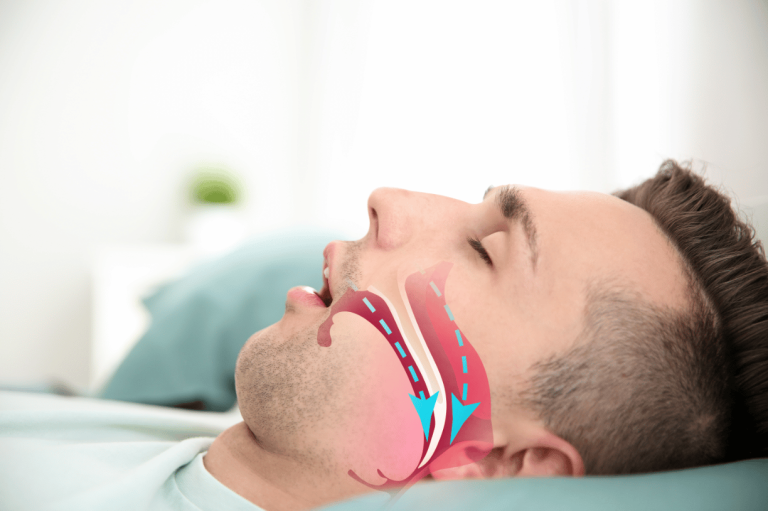
Sleep apnea is a serious sleep syndrome that occurs when a person’s breathing is disrupted while sleeping. It can have a significant impact on your quality of life and, if not treated, can be fatal. Sleep apnea occurs when a person’s airways become blocked while sleeping. It could be caused by soft tissues, such as the tongue getting in the way of a person’s airways, or fat buildup.
There are numerous remedies, techniques, and devices that help silence the snore, just as there are numerous types and forms of snoring. The use of sleep apnea dental devices is one effective solution
How beneficial is using dental devices?
Dental devices are one of the most common obstructive sleep apnea treatments. These devices keep the patient’s airways open while they sleep. Mandibular advancement devices, vestibular shields, tongue-retaining devices, and chin strips are some of the most commonly used dental appliances for sleep apnea.
Some of these devices, such as the tongue-retaining device, work by keeping the patient’s tongue in the proper position during sleep so that it does not obstruct the patient’s airway. Also, the mandibular advancement device work by keeping the patient’s jaw in the proper position while sleeping to keep the airway open.
Reasons to use a dental appliance to treat sleep apnea
Dental devices are an effective obstructive sleep apnea treatment option for snoring because a custom-fit oral sleep appliance can improve sleep, restore alertness, and revitalize health. Here are some of the reasons why using a dental device to treat this common sleep disorder rather than other treatments.
- Comfortable to wear and suitable to travel with
Many of the oral appliances used to treat sleep apnea are simple to use and are tailored to the patient’s specific needs. Because the device is only used when you sleep, it is barely noticeable when you’re wearing it. Furthermore, it is lightweight and does not require the transport of any bulky equipment.
- Improved sleep
Dental appliances such as tongue retainers are effective in treating obstructive sleep apnea patients. Many people with the condition find that wearing an oral device before bed provides immediate relief, resulting in better sleep.
- Reduces snoring
Snoring is caused by airway obstructions and is frequently a symptom of sleep apnea. Oral appliances for sleep apnea open up the airways and make more room. Some, such as chin straps, assist in keeping the patient’s mouth closed, forcing them to breathe through their nose. This reduces snoring noises while sleeping.
- Non-surgical approach
Oral appliances do not cause permanent changes to a person’s teeth and are not obtained through surgical procedures. Surgical treatment for sleep apnea is usually considered a last resort.
- Simple to use
Using a sleep apnea dental device to treat sleep apnea is as easy as inserting the device into the mouth and going to bed. To avoid bacteria buildup, the device should be washed after each use. Other methods of treating sleep apnea, such as CPAP machines, must be set up before they can be used.
Conclusion
In the long run, using a sleep apnea dental device is far more tolerable than using a CPAP mask and device. While there may be some mild discomfort, such as jaw pain and soreness, the device adjusts to your jaw. Therefore, the process has the potential to effectively treat the disorder.