Maintaining sharp memory and strong concentration is essential for daily functioning and overall well-being. Cognitive therapy offers effective strategies to enhance these cognitive abilities. These techniques can be beneficial for anyone looking to improve their mental performance. Understanding and implementing these strategies can significantly boost your cognitive functions. Here are ten cognitive therapy strategies to help boost your memory and concentration, with insights on how online cognitive assessments and cognitive assessment tests for adults can aid in this process.
1. Mindfulness Meditation
Mindfulness meditation involves focusing on the present moment, which enhances concentration and reduces stress. Regular practice can lead to improved memory and cognitive flexibility. By training your mind to stay present, you better filter out distractions and retain information. Mindfulness practices also help manage anxiety, which can otherwise impair cognitive functions. Starting with just a few minutes daily can significantly improve your mental clarity and focus. Over time, mindfulness meditation can rewire your brain to be more attentive and less reactive, making it easier to concentrate on tasks and remember important information.
2. Mental Imagery
Mental imagery, or visualization, is a technique where you create vivid images in your mind to remember information. This strategy can significantly enhance memory recall. For instance, associating names with images or creating a mental map of information helps retain details more effectively. Visualizing scenarios and outcomes can also improve problem-solving skills and creative thinking. Practicing mental imagery regularly can strengthen neural connections related to memory and learning. Additionally, mental imagery can be used to rehearse complex tasks, making them easier to execute in real life. This technique can be particularly useful for students and professionals who need to remember large amounts of information.
3. Chunking Information
Chunking is a method of breaking down large pieces of information into smaller, manageable units. This technique helps improve memory by making information easier to process and recall. For example, breaking a long phone number into smaller segments makes remembering easier. Chunking is particularly useful when studying or trying to memorize complex information. It allows your brain to store and retrieve information more efficiently, enhancing short-term and long-term memory. By grouping related items together, chunking reduces cognitive load and makes learning more manageable. This strategy is widely used in various educational settings to help students remember and recall information more effectively.
4. Repetition and Review
Repetition reinforces memory by strengthening neural connections. Regularly reviewing information helps consolidate it into long-term memory, making it easier to recall later. Repetition is a cornerstone of effective learning strategies, particularly for mastering new skills or knowledge. Scheduling regular review sessions for information can prevent forgetting and improve retention. Combining repetition with techniques like visualization or chunking can further enhance its effectiveness. Repetition can be applied through various methods, such as flashcards, practice tests, or spaced repetition systems, which have been shown to improve memory retention significantly. This technique is essential for academic and professional success, ensuring that important information is retained over time.
5. Cognitive Behavioral Techniques
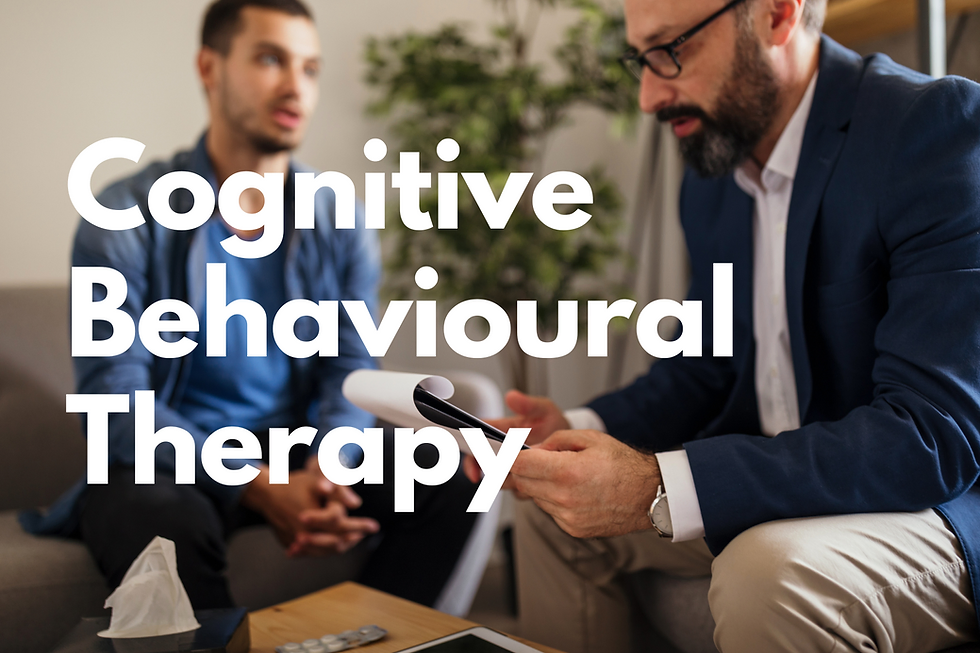
Cognitive Behavioral Techniques (CBT) help improve focus and memory by addressing negative thought patterns that can interfere with concentration. CBT encourages positive thinking and problem-solving skills. Techniques such as cognitive restructuring, which involves challenging and changing negative thoughts, can reduce mental clutter and enhance focus. CBT also includes mindfulness practices and relaxation techniques that reduce stress and anxiety, both of which are detrimental to cognitive performance. Incorporating CBT into your routine can significantly improve memory and concentration. CBT sessions often involve practical exercises and homework assignments that reinforce positive cognitive habits, making these techniques a powerful tool for cognitive enhancement.
6. Brain Training Games
Brain training games are designed to improve cognitive functions, including memory, attention, and problem-solving skills. These games can be fun and engaging ways to enhance mental agility. Online cognitive assessment tools often include brain training exercises tailored to individual needs. Regularly engaging in these activities can help maintain and improve cognitive functions. Games that challenge your memory, speed, and flexibility can have lasting benefits on brain health. Popular brain training games include puzzles, memory, and strategy-based games, accessed via apps or online platforms. These games are enjoyable and provide measurable improvements in various cognitive domains.
7. Healthy Lifestyle Choices
A healthy lifestyle is crucial for optimal cognitive function. Regular physical exercise, a balanced diet, adequate sleep, and hydration contribute to better memory and concentration. Exercise increases blood flow to the brain, promoting the growth of new neurons and improving cognitive functions. A diet rich in antioxidants, healthy fats, and vitamins supports brain health. Ensuring you get enough sleep is essential for memory consolidation and cognitive processes. Hydration affects brain function, as even mild dehydration can impair attention and memory. Incorporating these healthy habits into your daily routine can significantly enhance your cognitive abilities and overall well-being.
8. Stress Management
Chronic stress can negatively impact memory and concentration. Learning stress management techniques such as deep breathing, progressive muscle relaxation, and mindfulness can help improve cognitive functions. Managing stress effectively reduces the levels of stress hormones like cortisol, which can damage brain cells over time. Techniques such as yoga, meditation, and time in nature are also beneficial for reducing stress and enhancing cognitive health. Implementing these practices regularly can create a more relaxed and focused mind. Reducing stress through effective management techniques can improve cognitive performance and overall mental health.
9. Social Interaction
Engaging in social activities stimulates cognitive functions and helps maintain mental agility. Conversations and social interactions require the brain to process information quickly and efficiently. Regular social engagement has been linked to better cognitive health and reduced risk of memory-related conditions. Participating in group activities, discussions, or volunteering can provide mental stimulation and emotional support. These interactions challenge your brain, keeping it active and engaged. Social activities also help reduce stress and improve mood, both beneficial for cognitive function. Building and maintaining a strong social network is crucial for long-term cognitive health.
10. Online Cognitive Assessments
Regular cognitive assessments can help track your cognitive health and identify areas that need improvement. Online cognitive assessment tools provide convenient ways to evaluate memory, concentration, and other cognitive functions. These tests can highlight specific cognitive strengths and weaknesses, guiding targeted interventions. Using results from cognitive assessment tests for adults, you can tailor cognitive therapy strategies to address your individual needs. Regular assessments also help monitor progress and adjust strategies as needed. Online cognitive assessments are accessible and can be taken at your convenience, providing valuable insights into your cognitive health.
Conclusion
Cognitive therapy strategies offer effective ways to enhance memory and concentration. Techniques such as mindfulness meditation, mental imagery, chunking information, and cognitive behavioral techniques can significantly improve cognitive functions. Healthy lifestyle choices, stress management, and social interactions are crucial to mental agility. Regular cognitive assessments, including online cognitive assessment tools, help track progress and tailor interventions to individual needs. For comprehensive cognitive therapy and assessments, visit Salience Health. Their team of specialists is dedicated to providing personalized care to boost your cognitive health and overall well-being.
Table of Contents