



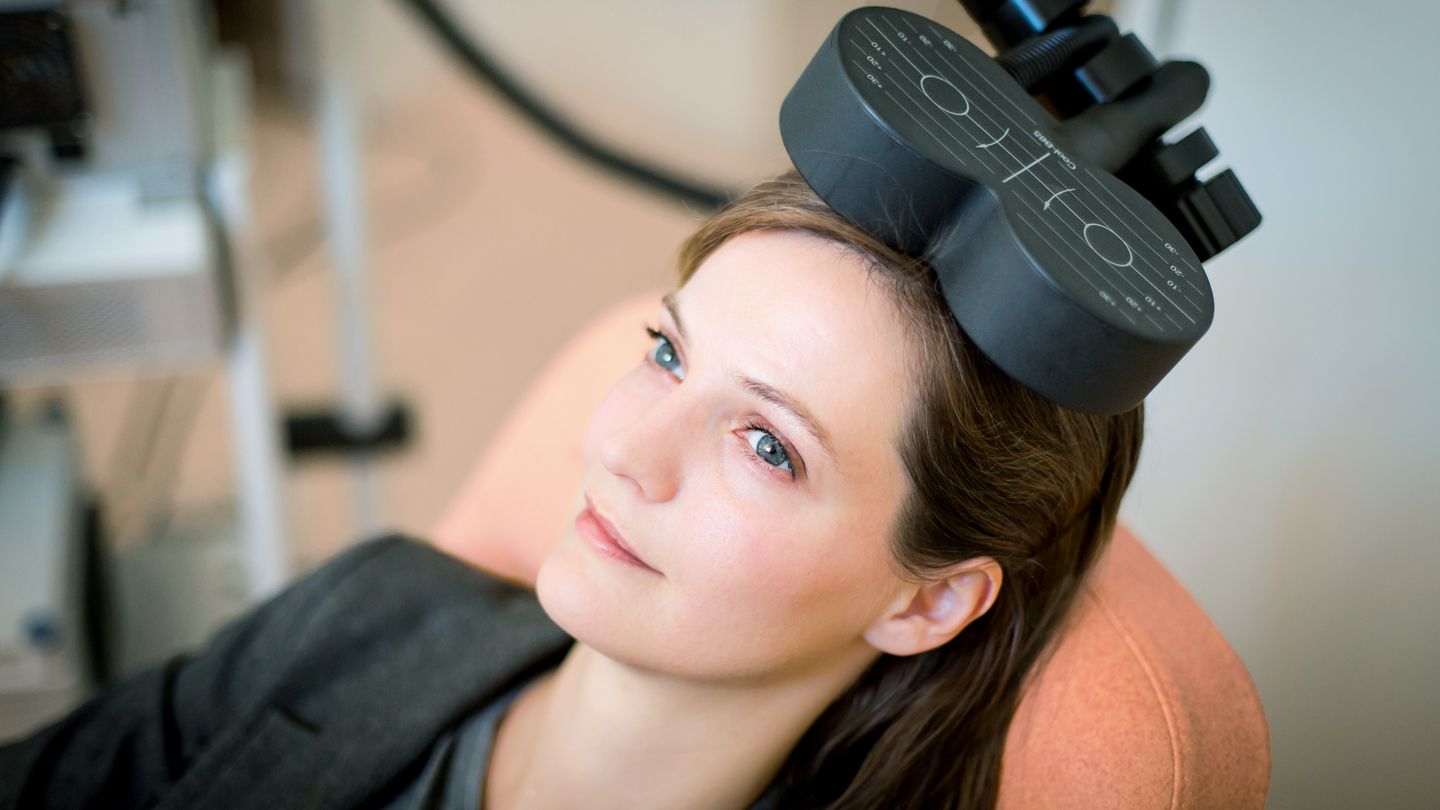
Magnetic Brain Stimulation Therapy, also known as Transcranial Magnetic Stimulation (TMS), is a non-invasive treatment that has shown promise for various mental health conditions, including Obsessive-Compulsive Disorder (OCD). TMS therapy uses magnetic fields to stimulate nerve cells in the brain, which can help alleviate symptoms of anxiety and depression. Here are ten frequently asked questions about this therapy.
1. What is Magnetic Brain Stimulation Therapy?
Magnetic Brain Stimulation Therapy involves using magnetic fields to stimulate nerve cells in the brain. This treatment is primarily used for conditions like depression and OCD. During a session, a magnetic coil is placed against the scalp, sending pulses to specific brain regions to modulate neural activity. This process helps improve mood and reduce symptoms of mental health disorders. The non-invasive nature of TMS makes it an attractive option for those seeking alternatives to medication and traditional therapies.
2. How Does TMS Therapy for OCD Work?
TMS therapy for OCD targets brain regions associated with obsessive-compulsive behaviors. The magnetic pulses help reset the brain’s circuitry, reducing symptoms. This therapy is particularly effective for those who haven’t responded to traditional treatments like medication or psychotherapy. Over a series of sessions, patients often notice a significant decrease in the frequency and intensity of their OCD symptoms. Magnetic stimulation helps to recalibrate neural pathways, promoting healthier brain function. Studies have shown that TMS can significantly improve the quality of life for OCD patients by providing long-lasting relief from symptoms.
3. Is TMS Therapy Safe?
Yes, TMS therapy is considered safe. It has been approved by the FDA for treating depression and OCD. Common side effects include mild headaches or scalp discomfort, which typically subside after several sessions. Serious side effects are rare. TMS does not involve anesthesia or sedation; patients can return to their daily activities immediately after treatment. The non-invasive nature of TMS means there is no need for recovery time, making it convenient for patients. Rigorous clinical trials have demonstrated the safety and efficacy of TMS, making it a trusted treatment option for mental health disorders.
4. How Long Does a TMS Session Last?
A typical TMS session lasts 20 to 40 minutes, but the duration can vary depending on the specific treatment protocol. Patients usually undergo TMS therapy five times a week for four to six weeks, but the exact length of the treatment course can vary based on individual needs and response to therapy. Each session is designed to deliver the appropriate amount of stimulation to the targeted brain regions, ensuring optimal results. The repetitive nature of the sessions helps reinforce the treatment’s positive effects over time, leading to sustained improvement in symptoms.
5. What Should I Expect During a TMS Session?
During a TMS session, you will sit comfortably while a magnetic coil is placed against your scalp. The device sends magnetic pulses to targeted brain areas. You might feel tapping on your scalp, but the procedure is painless. You can resume normal activities immediately after the session. Some patients read, listen to music, or relax during the treatment. A TMS session’s relaxed and comfortable environment helps alleviate any anxiety about the procedure, making it a stress-free experience for patients.
6. Who Can Benefit from TMS Therapy?
TMS therapy is beneficial for individuals with depression or OCD who haven’t responded to traditional treatments. It’s also an option for those seeking a non-invasive therapy without the systemic side effects of medications. Patients with a history of seizures or metal implants in or near the head may not be suitable candidates for TMS. A thorough evaluation by a healthcare provider is necessary to determine eligibility. TMS is also being explored for its potential to treat other mental health conditions, expanding its applicability and benefit to a wider range of patients.
7. How Effective is TMS Therapy for OCD?
Studies have shown that TMS therapy can significantly reduce OCD symptoms. Many patients experience improvements in their ability to manage obsessive-compulsive behaviors. The effectiveness of TMS therapy for OCD varies among individuals, but it offers a promising alternative for those who haven’t found relief with other treatments. Long-term benefits are often observed, with many patients improving well after the treatment. Continued research and clinical trials are helping to refine TMS protocols, enhancing its efficacy and expanding its use for other mental health conditions.
8. Are There Any Side Effects of TMS Therapy?
The most common side effects of TMS therapy are mild headaches and scalp discomfort, which usually decrease over time. Other rare side effects include dizziness and lightheadedness. There is a very low risk of seizures. TMS therapy does not cause systemic side effects like weight gain or sexual dysfunction, which are often associated with medications. The minimal side effects of TMS make it an appealing option for many patients, especially those who have experienced adverse reactions to other treatments. The non-invasive nature of TMS further contributes to its safety profile, making it a viable option for long-term use.
9. How Much Does TMS Therapy Cost?
The cost of TMS therapy can vary depending on the provider and location. On average, a full course of TMS therapy ranges from $6,000 to $12,000. Insurance coverage for TMS therapy can help reduce out-of-pocket costs. Many providers offer financing options to make the treatment more accessible. It’s important to verify with your insurance provider whether TMS therapy is covered under your plan. Medicare and many private insurance companies are increasingly covering TMS, recognizing its benefits and effectiveness. Understanding the costs and coverage options is crucial for making an informed decision about undergoing TMS therapy.
10. Where Can I Find TMS Therapy in Houston?
If you’re looking for TMS therapy in Houston, several reputable clinics offer this treatment. Choosing a provider with experienced professionals and a good track record is essential. You can find TMS therapy providers by consulting your healthcare provider or searching online directories. Reviews and testimonials can also help you identify quality providers in your area. Selecting a provider with a proven history of successful treatments ensures you receive the best care possible. Personal recommendations from trusted sources can also guide you to the right provider, ensuring a positive treatment experience.
Conclusion
Magnetic Brain Stimulation Therapy offers a promising solution for those struggling with OCD and other mental health conditions. Its non-invasive nature, minimal side effects, and effectiveness make it an attractive treatment option. For more information on TMS therapy, visit Salience Neuro.
By understanding these aspects of TMS therapy, you can make an informed decision about your mental health treatment options. Whether you’re seeking TMS therapy for OCD, exploring magnetic brain stimulation therapy, or looking for TMS therapy in Houston, TMS therapy might be the right choice for you.
Table of Contents

