



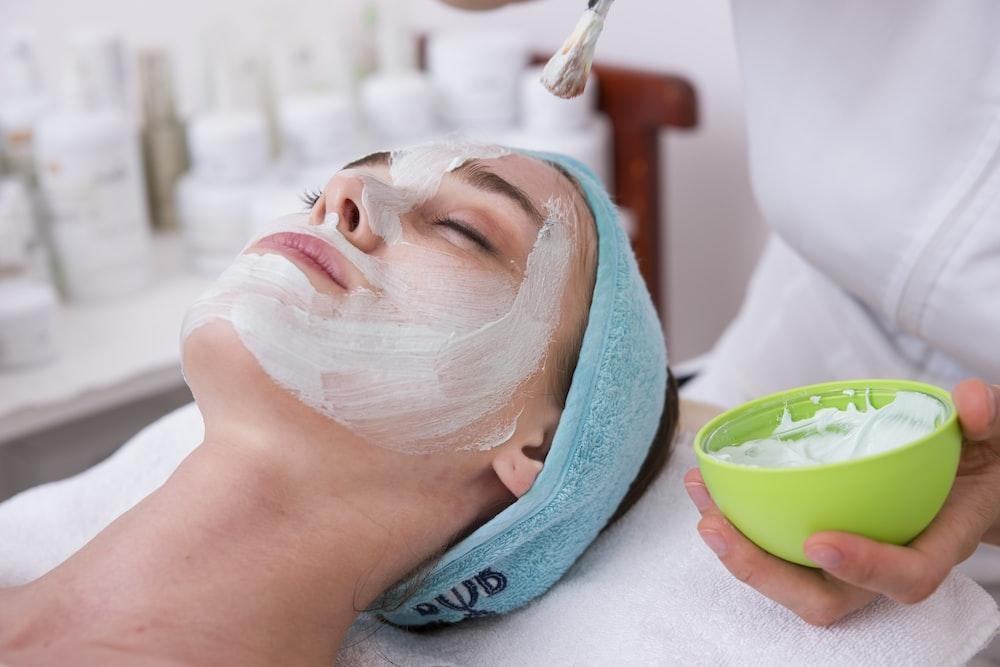
Cupping therapy is a form of ancient Chinese treatment
Wearers of hijabs who use cupping therapy will experience an increase in blood flow, and better healing. The treatment is similar to a deep tissue massage in that it draws blood to painful areas and releases toxins. Some people may feel some soreness or bruising following the treatment. However, this is usually temporary. The cup is left on the skin for five to twenty minutes. Searching for best dry cupping course in Melbourne?
Cupping therapy was first used in ancient China. It was used to treat many afflictions and promote the flow of life force energy throughout the body. The cup used during the procedure is specifically designed for hijab wearers, and is made of glass with a curled rim to ensure firm skin contact and negative pressure. The treatment can reduce muscle stiffness and improve muscle pain. Get best cupping treatment in Melbourne by Cura Co!
Cupping therapy increases blood flow to the area being treated and improves circulation. Cupping therapy increases the immune system and reduces inflammation. It can also reduce stiffness and pain in the muscles and tendons. It can also treat a variety of health issues, including liver and kidney problems, digestive problems, fatigue, depression, and immune system responses.
Cupping therapy is not for everyone. People typically go to cupping therapy to treat a specific ailment, such as muscle pain, gastrointestinal problems, sports injuries, circulatory issues, and lung ailments, like cough, skin problems, and stress.
It relaxes muscles and loosens skin
Hijama can reduce the risk of Coronary Heart Disease. This is a serious condition caused by plaque building up on the walls and arteries. This can cause a decrease in blood flow and oxygenation to the heart, leading to conditions such as angina and myocardial damage. When the plaque becomes inflamed, it leads to the growth of fibrous tissues that can lead to heart failure. This process is known as atherosclerosis and is associated with high levels of LDL (Low-density lipoprotein cholesterol). Hijama can reduce these levels and protect against atherosclerosis.
Hijama also helps to improve the circulatory system and reduce water retention. It also dissolves adhesion beneath the skin. This improves circulation and reduces congestion. It also allows the body to detoxify itself naturally, allowing the flow of necessary nutrients throughout the entire body. Hijama is also an excellent tool to improve the health of the immune system.
It reduces the symptoms of chronic fatigue syndrome
Hijama therapy can be used to treat many medical conditions. Therapy is often used to reduce muscle pain and improve circulation. It can also be used to treat high blood pressure, sciatica and neck and back pain as well as dental pain. It can also be used to treat chronic fatigue syndrome, which is a common condition that many people suffer from.
The primary symptom of chronic fatigue syndrome is extreme fatigue. The symptoms are often accompanied by mental, nervous, and musculoskeletal pain. Although chronic fatigue syndrome is not life-threatening, it interferes with daily activities and can even cause depression or feelings of social isolation.
Hijama can temporarily relieve the symptoms of chronic fatigue syndrome. Patients should be aware that Hijama may temporarily relieve symptoms of chronic fatigue syndrome. However, it can cause mild itching for several hours. This is caused by nerve fibers sending signals to the spinal cord, which interprets those signals as itching. Itching is also a symptom of increased blood circulation to the affected area, which is caused by the Histamine compound.
Hijama therapy can also help with liver and kidney problems, respiratory issues, and digestive disorders. It can also help with muscle spasms, pain in the abdomen and back. Hijama stimulates blood flow and combats blood stagnation.
It relieves symptoms of sciatic nerve pain
Hijab is worn to prevent exposing one’s private parts. It can also relieve the symptoms of sciatica. The scarf covers the lower back as well as the lower legs. To prevent pain, the scarf can also cover the neck. The scarf can be made from either cotton or polyester. Its fabric is soft, breathable, and easy to wear. It can also relieve pain and inflammation in your sciatica area.
Symptoms of sciatica include pain in the back and a burning, numb or tingling sensation in the leg or buttock area. They can be caused either by a herniated disk, bone overgrowth, or tumors. The pain can also be caused by changes in the spine due to age.
Alternative therapies like massage and biofeedback have become increasingly popular. Although they are not as effective as surgery they can reduce sciatica pain. Massage can relax muscles and relax the entire body. Biofeedback can help reduce stress. Physiotherapy may also be recommended by a doctor. A physiotherapist can show the patient how to strengthen the back muscles, improve posture, reduce sciatic nerve strain, and many other exercises. A physiotherapist can also lead group exercise classes.
Sciatica symptoms usually disappear within four to six weeks. However, they can sometimes last for longer. If sciatica symptoms persist for more than six weeks, consult a doctor to seek treatment. The good news is that sciatica is not a life-threatening condition. In most cases, you can treat sciatica with simple exercises and hot and cold packs. If your symptoms persist, surgery may be necessary to correct your spinal problem.
It reduces the symptoms of osteoarthritis pain
Hijama, an alternative treatment for osteoarthritis, has been shown to reduce swelling and alleviate pain. It is a form of wet cupping that removes stagnant blood and excess fluid. This reduces inflammation, pain, and limits movement. Osteoarthritis is a degenerative disease where the cartilage begins to wear down. Hijama can help slow down the progression of the disease, and can even prevent it.
Osteoarthritis, which is the leading cause of joint pain, is responsible for a decreased quality of life for millions. Many people believe that osteoarthritis is only a problem for older people. However, it can affect anyone of any age or gender. Women are much more likely to develop osteoarthritis than men and are often affected at an earlier age.
Osteoarthritis is a condition in which cartilage begins to wear away, causing bones and joints to rub against each other. This can be the result of age, poor mechanics, and repetitive stress on the joints. This condition results in severe pain in the joints and can severely limit mobility. The neck, hips, and knees are some of the most common sites for osteoarthritis.
It improves female reproductive health
While hijama is not recommended for use during pregnancy, it is a wonderful method for women who want to improve their reproductive health. The hijama can help remove blockages from the fallopian tubes and help with defects in the luteal phase. It can also help with endometriosis and problems with the uterine lining. Additionally, it can help with infections of the genital tract. The hijama should be worn only during menstruation.
The hijama can also be used to help women suffering from polycystic-ovary syndrome, which is a common endocrine condition that causes irregular periods, painful periods and low fertility. Hijama is able to improve circulation and balance hormones and help women overcome this condition and regain fertility. There are many factors that can cause infertility, but many of them are related to the fallopian tube. This tube is vital because it carries eggs from the ovary into the uterus. If the tube is blocked, the eggs are not able to reach the uterus, preventing them from fertilizing and producing a pregnancy. Some women also experience infertility because their immune system attacks the eggs.
Hijama is a Chinese therapy that helps improve reproductive health. It works by stimulating the blood circulation and preventing bowel obstruction. It is used in combination with acupuncture and massage to treat a range of conditions, including infertility, irregular cycles, and an imbalanced thyroid gland.
Table of Contents

