



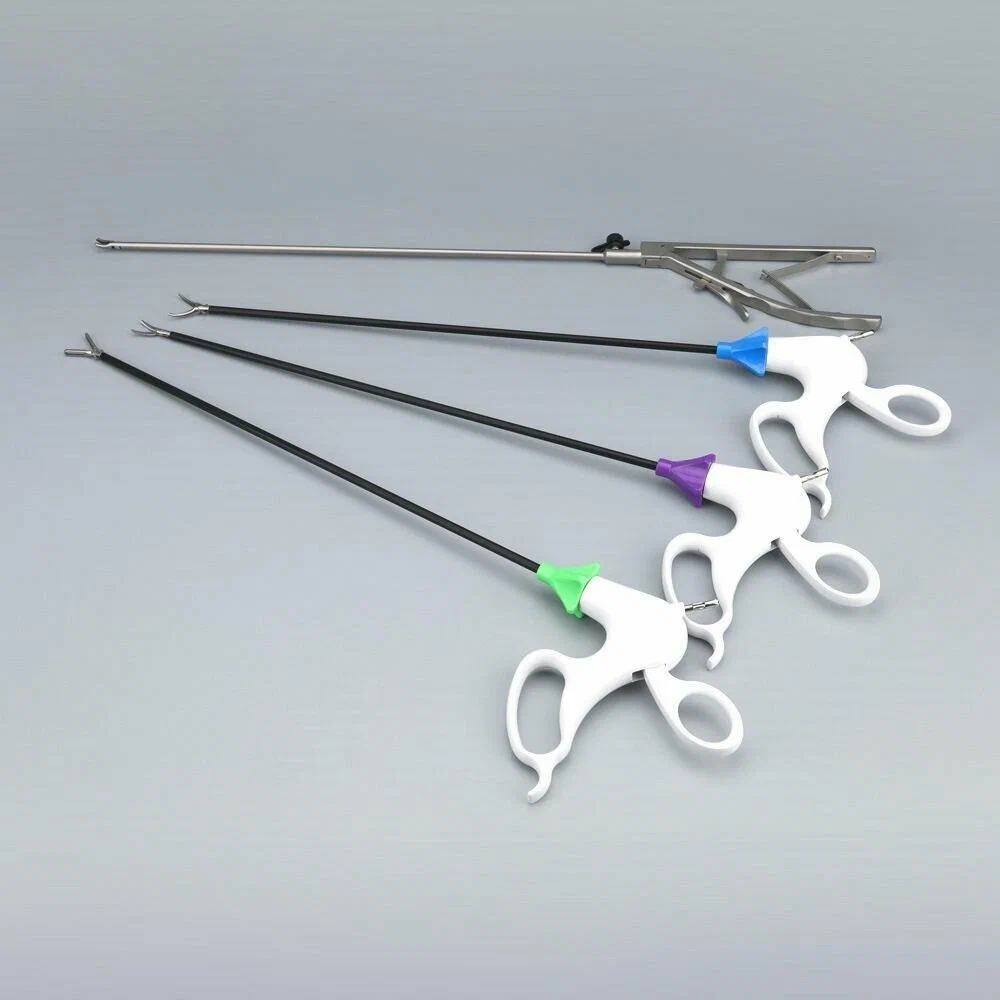
Minimally invasive procedures have become a standard approach across multiple surgical specialties, driven by the need for reduced patient trauma and faster recovery timelines. These procedures rely heavily on specialized tools that operate through small incisions while maintaining full surgical control. The effectiveness of such techniques depends not only on surgical expertise but also on the consistency and reliability of the instruments used.
In this context, high-performance laparoscopic instruments play a defining role in ensuring procedural accuracy and operational efficiency. Designed for real operating room conditions, these instruments must deliver stable performance across repeated use, aligning with strict sterilization requirements and clinical standards. Their construction, material quality, and precision engineering directly influence surgical outcomes.
The Evolution of Laparoscopic Instrumentation
Laparoscopic tools have evolved alongside advancements in surgical techniques, moving from basic mechanical designs to highly refined instruments tailored for precision work. Early instruments served functional needs but lacked the refined control required for delicate procedures. Over time, improvements in machining and finishing have enhanced both performance and usability.
Modern laparoscopic instruments are engineered with a focus on consistency and repeatability. Manufacturers now prioritize smooth finishing, precise alignment, and corrosion resistance, ensuring that each instrument performs reliably under demanding surgical conditions. This evolution reflects a broader shift toward quality-driven surgical environments.
Core Components That Define Surgical Efficiency
A standard laparoscopic setup includes essential tools such as trocars, graspers, scissors, and needle holders. Each component serves a distinct function, from tissue manipulation to suturing, and must operate seamlessly within confined anatomical spaces. The coordination between these tools determines procedural efficiency.
Material selection is critical in maintaining performance standards. Instruments made from medical-grade stainless steel offer durability and resistance to corrosion, allowing them to withstand repeated sterilization cycles. Reliable construction ensures that surgeons can perform with confidence throughout the procedure.
Ergonomic Design and Surgeon Comfort
Instrument design directly affects how surgeons interact with tools during procedures. Poorly designed handles or imbalanced structures can lead to fatigue, which impacts precision over time. Ergonomic considerations address this by improving grip, balance, and responsiveness.
Well-designed instruments support natural hand movements, reducing strain during prolonged operations. This contributes to better control and enhances surgical performance, particularly in procedures that require sustained concentration and fine motor skills.
Balanced Handle Construction
Handle structure determines how force is applied and controlled during surgery. Balanced construction allows surgeons to maintain steady movements without exerting unnecessary pressure. This results in improved precision and reduced fatigue.
Precision Tip Alignment
Accurate tip alignment ensures that instruments perform consistently during grasping, cutting, or suturing. Even minor misalignment can affect surgical outcomes, making precision engineering a key requirement.
Insulation for Safety
Insulated shafts are essential when using energy-based surgical devices. Proper insulation prevents unintended tissue damage and ensures safe energy transmission during procedures.
Smooth Articulation Mechanisms
Fluid articulation allows instruments to open, close, and rotate without resistance. Smooth movement enhances control and enables surgeons to perform complex tasks with greater accuracy.
Material Quality and Durability Standards
Durability remains a critical factor in surgical instrumentation. Instruments must withstand mechanical stress, sterilization processes, and repeated use without losing functionality. High-grade stainless steel ensures long-term reliability while maintaining structural integrity.
Strict quality control processes ensure that each instrument meets established standards. Consistent machining, polishing, and passivation contribute to corrosion resistance and smooth handling, which are essential for clinical use.
Instrument Versatility Across Procedures
Versatility allows laparoscopic instruments to be used across a range of surgical specialties, including general surgery, gynecology, and urology. This adaptability reduces the need for excessive inventory while maintaining procedural flexibility.
Instruments designed for multiple applications support efficient workflow within operating rooms. Surgeons can transition between tasks without compromising performance, which improves overall surgical efficiency and resource utilization.
Sterilization and Maintenance Protocols
Maintaining instrument performance requires strict adherence to sterilization and maintenance protocols. Instruments must be designed to endure repeated autoclaving without losing alignment or functionality. Reusable designs contribute to cost efficiency while maintaining safety standards.
Routine inspection and maintenance ensure that instruments remain in optimal condition. Hospitals and surgical centers rely on consistent performance, making proper upkeep a critical aspect of instrument management.
- Regular inspection helps detect wear early
- Proper cleaning maintains mechanical precision
- Controlled sterilization protects material integrity
- Scheduled maintenance ensures reliability
Quality Assurance and Manufacturing Precision
Quality assurance plays a vital role in ensuring that surgical instruments meet clinical expectations. Each instrument must pass through multiple checkpoints to verify its performance, durability, and compliance with international standards.
Manufacturers operating under ISO and CE certifications follow structured processes to maintain consistency across production batches. This ensures that every instrument delivers the same level of performance, regardless of scale or application.
- Certified manufacturing ensures compliance
- Precision engineering supports consistent results
- Standardized testing validates performance
- Controlled production enhances reliability
Final Thoughts on Choosing the Right Surgical Instruments
What truly determines whether a surgical setup delivers consistent outcomes under pressure? The answer lies in selecting instruments that combine durability, precision, and compliance with international standards. A well-equipped operating environment depends on tools that can perform reliably across repeated use without compromise.
In this context, Salwan Surgicare stands out as a trusted manufacturer with decades of experience, offering CE and ISO-certified instruments built from medical-grade stainless steel and designed for repeatable performance. With a catalog spanning thousands of instruments across specialties and a strong focus on quality control, they support hospitals and surgical teams in maintaining consistency in every procedure. For those evaluating dependable options, exploring their range of basic laparoscopic instruments alongside advanced solutions provides a practical and balanced approach to surgical readiness.
Table of Contents

