



As a business owner, you’re always looking for ways to improve your bottom line. One way to do this is by reducing your energy costs through the use of commercial solar panels. In this beginner’s guide, we’ll take a look at how commercial solar panels can boost your business’s energy efficiency, save you money, and promote sustainability. We’ll also touch on related topics such as solar generators, solar panels for home, solar energy, solar power, solar panels for sale, solar-powered generators, solar panel installation, electric companies, and residential solar.
Benefits of Commercial Solar Panels
One of the primary benefits of commercial solar panels is their ability to reduce energy costs for businesses. By generating their electricity, businesses can significantly reduce their monthly energy bills, saving them money in the long run. In addition to the financial benefits, solar panels also promote sustainability by reducing the reliance on non-renewable energy sources.
Commercial solar panels also have a long lifespan, typically lasting between 25 to 30 years. This longevity makes them a worthwhile investment for any business. Furthermore, they require little maintenance, which translates to fewer expenses and higher savings.
How Commercial Solar Panels Work
Commercial solar panels work by converting the sun’s energy into usable electricity. Photovoltaic cells in solar panels absorb the sun’s energy, which is then converted into DC electricity. This DC electricity is then transformed into AC electricity through an inverter, which is used to power your business’s electrical needs.
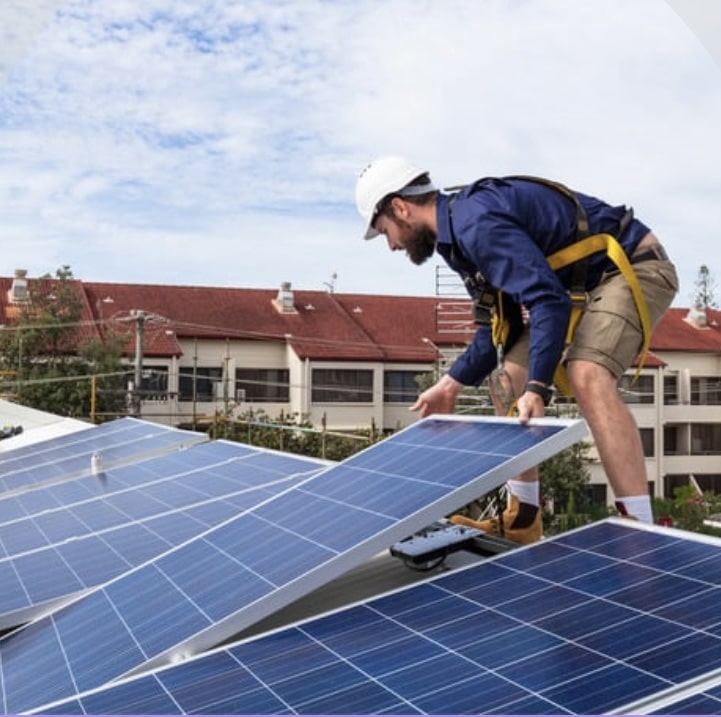
Solar panels can be installed on the roof of your business or on the ground, depending on your preferences and available space. The installation process involves mounting the panels and connecting them to your business’s electrical system. Once installed, the solar panels begin to generate electricity immediately.
Solar Generators vs. Commercial Solar Panels
While solar generators are a viable temporary solution for backup power, they are not a long-term solution for reducing energy costs in commercial settings. Solar generators have a limited power output, making them impractical for running an entire business.
Commercial solar panels, on the other hand, can generate enough electricity to power an entire business, making them a cost-effective and sustainable solution in the long run. Additionally, solar panels are designed to be installed on a business’s property, while solar generators are portable and require regular maintenance to remain operational.
Solar Panels for Home vs. Commercial Solar Panels
While residential solar panels can help homeowners save money on their energy bills, commercial solar panels are designed specifically for businesses and can generate much more electricity than residential solar panels. Commercial solar panels are also more durable and can withstand harsher weather conditions, making them a better long-term investment for businesses.
Businesses can also take advantage of federal tax credits and other incentives for installing solar panels, which can help offset the initial cost of installation. These incentives are not available for residential solar panel installations.
Solar Energy and Solar Power
Solar energy refers to the energy produced by the sun and can be harnessed using solar panels or other technologies. Solar power refers specifically to the conversion of solar energy into usable electricity, which is the primary use for solar panels in commercial settings.
Solar Panels for Sale and Choosing the Right Solar Panel System
When choosing a solar panel system for your business, it’s important to consider factors such as panel type, size, and wattage, as well as the inverter and battery backup system. There are several types of solar panels for sale, including monocrystalline, polycrystalline, and thin-film solar panels.
Monocrystalline solar panels are the most efficient and longest-lasting, but they are also the most expensive. Polycrystalline solar panels are a more affordable option but are slightly less efficient than monocrystalline panels. Thin-film solar panels are the least efficient but also the most affordable option.
The size of your solar panel system will depend on your business’s energy needs and available space. It’s important to work with a reputable solar panel installation company to ensure that you choose the right system for your business.
When it comes to the inverter and battery backup system, it’s essential to choose high-quality components to ensure that your system operates efficiently and reliably.
Solar Panel Installation and Maintenance
It’s essential to choose a reputable solar panel installation company that has experience working with commercial clients and has a track record of successful installations.
Additionally, the inverter and battery backup systems may require periodic maintenance to ensure that they are working correctly.
Electric Company and Net Metering
Net metering allows businesses to receive credits on their energy bills for the excess electricity that they generate, reducing their overall energy costs.
It’s important to check with your local electric company to see if they offer net metering, as not all utilities offer this option. Additionally, the net metering policies may vary by state, so it’s essential to research the regulations in your area.
Residential Solar and Community Solar
Residential solar panels work similarly to commercial solar panels, but on a smaller scale, and can help homeowners generate their electricity and potentially receive energy bill credits through net metering.
Community solar is another option for those who may not be able to install solar panels on their property. Community solar involves a group of people sharing the benefits of a solar panel system installed in a central location, such as a community garden or a public building.
Conclusion
Commercial solar panels are an excellent investment for businesses looking to reduce their energy costs and promote sustainability. By generating their electricity, businesses can significantly reduce their monthly energy bills, saving them money in the long run. Additionally, solar panels promote sustainability by reducing reliance on non-renewable energy sources.
When choosing a solar panel system for your business, it’s essential to consider factors such as panel type, size, and wattage, as well as the inverter and battery backup system. It’s also crucial to work with a reputable solar panel installation company to ensure that your panels are installed correctly and safely.
With the financial and environmental benefits of commercial solar panels, it’s clear that they are the future of business energy. Consider making the switch to solar panels for your business today and start enjoying the benefits of clean, renewable energy.
Table of Contents

