



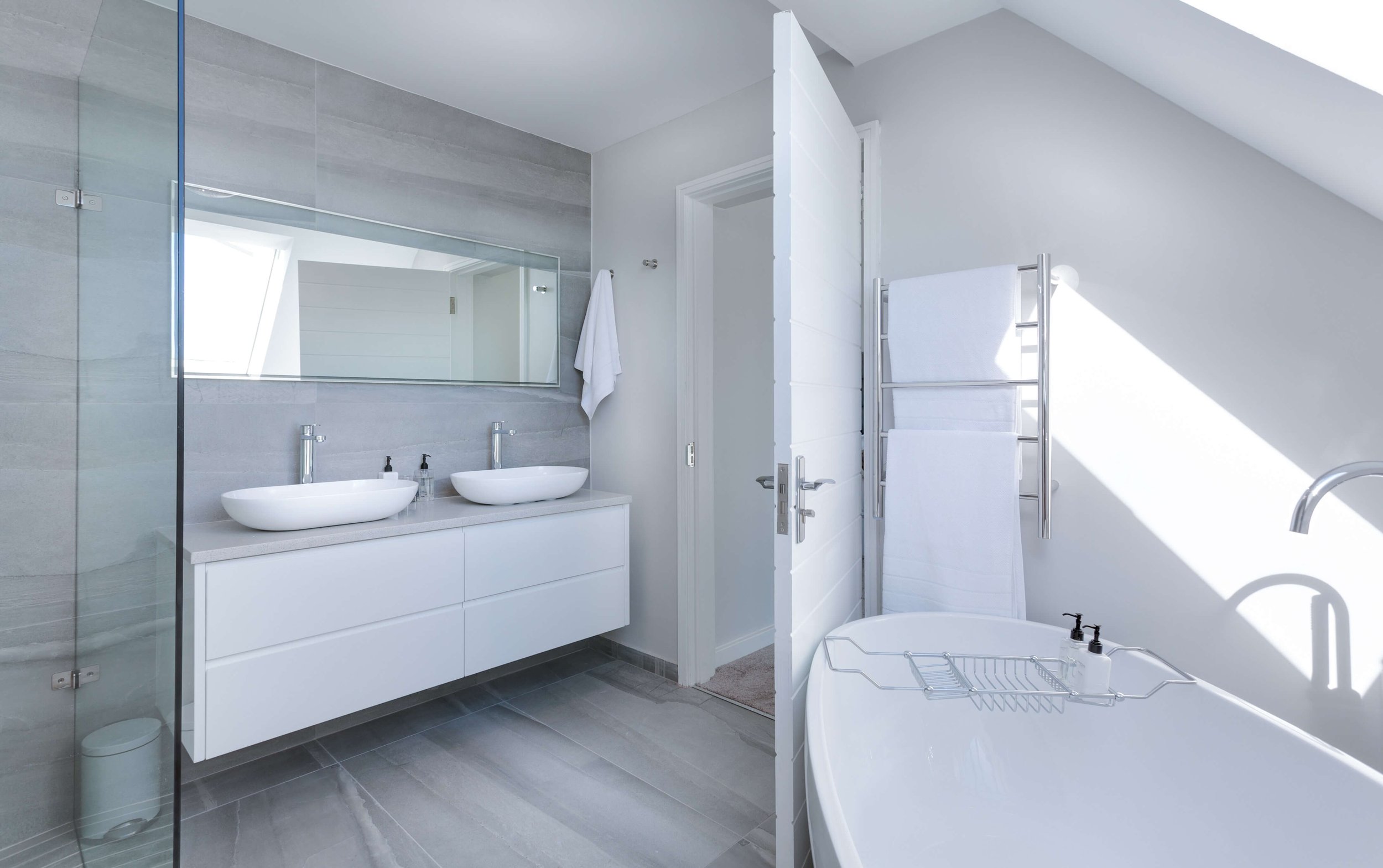
Your bathroom serves as a sanctuary for cleanliness and relaxation, but it can also unwittingly invite an unwelcome guest: mold.
Mold thrives in damp, humid environments, and bathrooms offer the perfect conditions for it to take root.
A mold-free bathroom not only enhances your comfort but also safeguards your health. By following these eight tips and taking a proactive stance, you can create an environment that discourages mold growth.
Remember, prevention is the key to a mold-free bathroom, and these steps empower you to enjoy a clean and healthy space for years to come.
Fix The Leaks
Any leaks in your bathroom, whether from pipes, faucets, or the showerhead, should be addressed promptly.
Mold thrives in moisture, and even minor leaks can create the damp conditions mold requires.
Regularly inspect your bathroom for any signs of water damage and address them promptly to prevent mold from gaining a foothold.
Keep It Ventilated
Proper ventilation is your first line of defense against mold. Ensure your bathroom is well-ventilated by installing an exhaust fan.
Run it during and after showers to reduce humidity levels and allow fresh air to circulate. This straightforward action can go a long way in preventing mold growth.
Schedule Regular Mold Inspections
Don’t wait for mold to become a visible problem before taking action. Arrange for regular mold inspections in your bathroom.
Professional mold inspection services can uncover hidden mold issues and provide solutions to prevent future infestations. Regular inspections proactively maintain a mold-free bathroom.
Grout Line Sealing
The grout between your tiles is susceptible to mold growth. Over time, grout can become porous, allowing moisture to penetrate.
Consider periodically sealing grout lines to establish a waterproof barrier that impedes mold growth.
Wipe The Surfaces After Wash
Mold spores are perpetually present in the air, patiently waiting for the right conditions to flourish. Regularly wipe down bathroom surfaces, including countertops, sinks, and tiles.
This practice helps eliminate moisture and thwarts mold from establishing a foothold. Utilize an appropriate cleaning solution to further deter mold growth.
Invest In Mold Resistance Accessories
When renovating or updating your bathroom, consider using mold-resistant materials. Mold-resistant drywall and paint can provide an extra layer of protection against mold growth.
These materials are designed to repel moisture, discouraging mold from taking root.
Check the Humidity Levels
Keep an eye on the humidity levels in your bathroom. Ideally, humidity should remain below 50%.
You can employ a hygrometer to measure humidity and use a dehumidifier if needed to maintain the optimal levels. By managing humidity, you can eliminate the conditions favorable to mold.
Dry Towels and Bathmats
After use, hang bathmats and towels to ensure they dry thoroughly. Leaving them damp on the bathroom floor can create a moist environment that’s ideal for mold growth.
Regularly launder and replace bathmats and towels as necessary to prevent mold from colonizing them.
Table of Contents

