



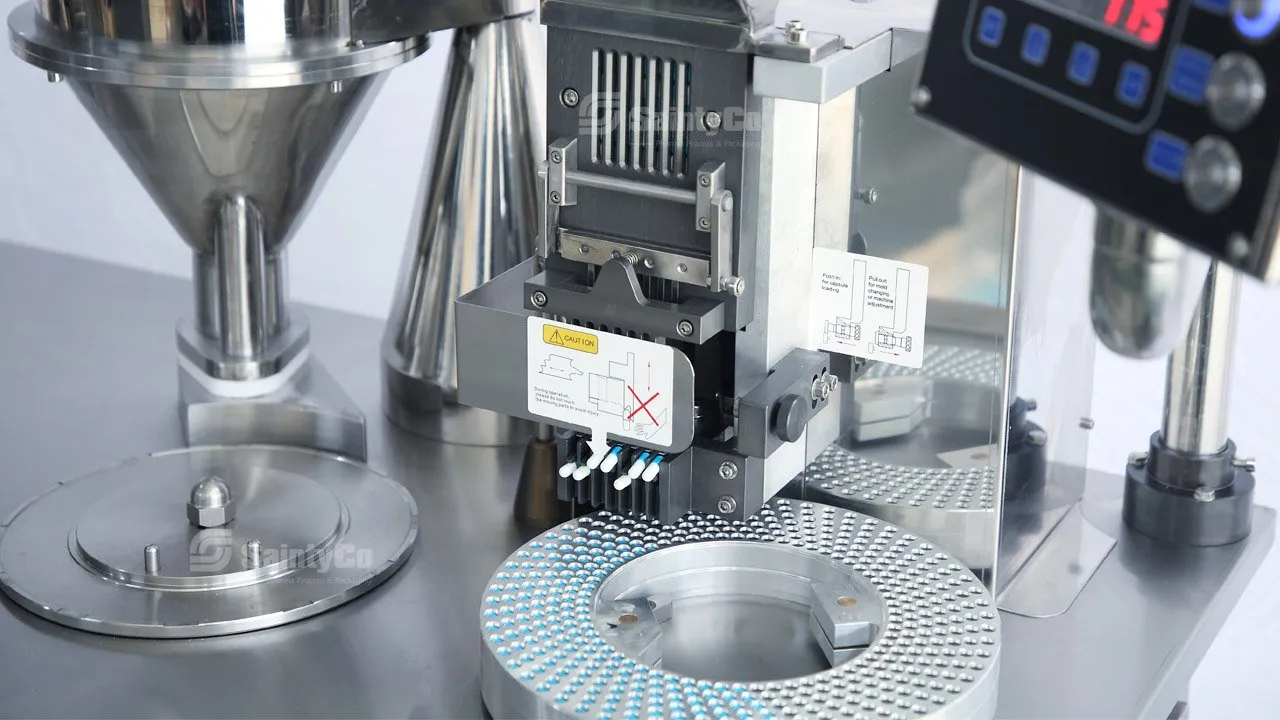
The pharmaceutical and nutraceutical industries are evolving rapidly due to increasing demand for precision, automation, and scalable production. Capsule manufacturing, in particular, has seen significant technological advancements aimed at improving efficiency, accuracy, and compliance with global standards. As production requirements become more complex, manufacturers are adopting smarter and more integrated systems.
A modern encapsulation machine is no longer just a mechanical filling device. It has transformed into an advanced production system incorporating automation, digital controls, and smart monitoring features. These innovations are reshaping how capsules are produced across industries.
Shift Toward Automation and Smart Control Systems
One of the most significant trends in capsule manufacturing is the shift toward higher levels of automation. Modern machines are designed to reduce manual intervention while improving production consistency.
Key developments include:
- Automated capsule feeding and alignment
- Precision dosing systems with electronic control
- Real-time monitoring of production parameters
- Reduced operator dependency
This trend allows manufacturers to achieve higher output with fewer errors and more stable quality.
Integration of Digital Monitoring and Sensors
Digital technology is playing a major role in improving machine performance and reliability. Encapsulation systems are increasingly equipped with smart sensors that track various operational parameters.
These systems can monitor:
- Capsule weight consistency
- Powder flow rates
- Machine speed and cycle timing
- Error detection in real time
This data-driven approach helps manufacturers identify issues early and maintain consistent product quality throughout production runs.
Improved Precision Dosing Technologies
Accuracy in capsule filling is critical for pharmaceutical and nutraceutical products. Recent advancements in dosing technology have significantly improved precision and reduced variation between capsules.
Modern systems now use:
- Servo-driven dosing mechanisms
- Adjustable filling controls for different formulations
- Advanced powder distribution systems
These improvements ensure uniformity, which is essential for regulatory compliance and product effectiveness.
Flexible Manufacturing for Multiple Product Types
Another important trend is flexibility in production. Manufacturers increasingly require machines that can handle different capsule sizes, materials, and formulations without lengthy setup changes.
Modern systems support:
- Quick changeover between product batches
- Compatibility with multiple capsule sizes
- Handling of powders, pellets, and granules
This flexibility is especially valuable for companies producing a wide range of pharmaceutical or supplement products.
Enhanced Hygiene and Contamination Control
With stricter regulatory requirements, hygiene has become a key focus in machine design. New encapsulation technologies prioritize contamination control through improved structural design and materials.
Key enhancements include:
- Seamless stainless steel construction
- Reduced dead zones where residue can accumulate
- Automated cleaning compatibility
- Enclosed production systems to limit exposure
These features help maintain product purity and meet international manufacturing standards.
Energy Efficiency and Sustainable Design
Sustainability is becoming increasingly important in industrial manufacturing. Modern encapsulation machines are being designed to reduce energy consumption and improve operational efficiency.
Energy-efficient innovations include:
- Low-power motors and drives
- Optimized mechanical systems with reduced friction
- Smart standby modes during idle operation
These improvements not only reduce operational costs but also support environmentally responsible manufacturing practices.
Integration with Industry 4.0 Systems
Industry 4.0 is transforming manufacturing through connectivity and automation. Encapsulation machines are now being integrated into digital production ecosystems.
This includes:
- Remote monitoring and control systems
- Data integration with production management software
- Predictive maintenance using machine learning algorithms
Such integration allows manufacturers to optimize production schedules and reduce unexpected downtime.
Advanced Safety and Compliance Features
Modern machines also incorporate improved safety and regulatory compliance systems. These ensure safe operation while meeting global manufacturing standards.
Enhancements include:
- Automated fault detection systems
- Improved operator safety interlocks
- Compliance with GMP and international standards
These features help manufacturers maintain both safety and product quality simultaneously.
Conclusion
Technology in capsule manufacturing is advancing rapidly, driven by the need for higher efficiency, precision, and flexibility. From automation and digital monitoring to energy efficiency and Industry 4.0 integration, modern innovations are reshaping production capabilities.
The encapsulation machine has evolved into a highly intelligent and adaptable system that supports modern manufacturing demands. As technology continues to progress, these machines will play an even more important role in improving productivity, ensuring quality, and supporting scalable production across pharmaceutical and nutraceutical industries.
Table of Contents

