



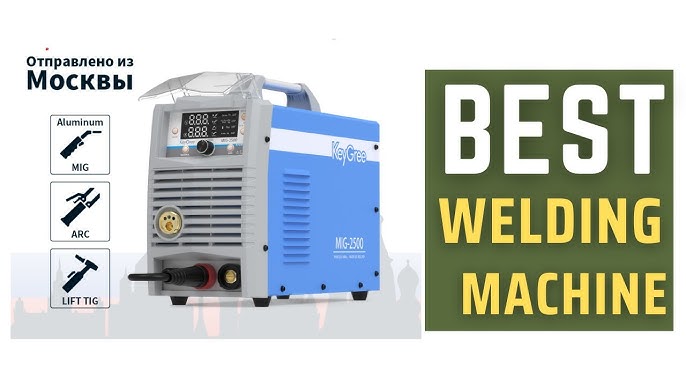
Gas Tungsten Arc Welding (GTAW), also known as Tungsten Inert Gas (TIG) welding, is widely recognized for its precision, high-quality welds, and versatility across various metals. Choosing the right GTAW welding machine is essential for achieving strong, defect-free welds in applications that demand accuracy and durability.
This article explores how GTAW welding machines work, their key features, advantages, applications, and factors to consider when selecting the best equipment for your welding needs.
How GTAW Welding Machines Work
GTAW welding machines generate an electric arc between a non-consumable tungsten electrode and the workpiece, melting the base metal to form a weld. An inert shielding gas, such as argon or helium, protects the weld pool from oxidation and contamination, ensuring a clean and precise weld.
Key Components of a GTAW Welding Machine
- Tungsten Electrode: Provides a stable arc and does not melt during welding.
- Power Supply: Delivers a constant AC or DC current to maintain a steady arc.
- Shielding Gas System: Supplies argon, helium, or gas mixtures for contamination-free welding.
- Foot Pedal or Hand Control: Adjusts amperage for better heat control.
- Filler Metal (Optional): Used when additional material is needed to strengthen the weld.
Advantages of GTAW Welding Machines
1. Superior Weld Quality
- Produces strong, aesthetically pleasing welds with minimal spatter.
- Ideal for critical applications requiring precision and high-strength bonds.
2. Versatility Across Various Metals
- Works with stainless steel, aluminum, titanium, copper, and exotic alloys.
- AC GTAW is preferred for aluminum, while DC GTAW is used for steel and other metals.
3. Excellent Heat Control
- Allows precise heat adjustment to prevent warping or burn-through.
- Perfect for welding thin materials and intricate projects.
4. Minimal Post-Weld Cleanup
- Unlike MIG or stick welding, GTAW does not require flux, reducing slag formation.
- Results in a cleaner, more polished weld.
5. Strong and Durable Welds
- Provides deep penetration and crack-resistant welds.
- Ensures long-lasting durability for structural applications.
Applications of GTAW Welding Machines
GTAW welding machines are essential in industries that require high-precision welds and superior strength, including:
1. Aerospace Industry
- Used for welding aircraft components, turbine blades, and critical structural parts.
- Ensures high-strength, defect-free welds for performance applications.
2. Automotive and Motorsport
- Ideal for welding stainless steel exhaust systems, roll cages, and chassis frames.
- Used in high-performance vehicle fabrication.
3. Medical and Food Processing Equipment
- Produces sanitary welds free from contamination.
- Essential for welding stainless steel in medical devices and food-grade applications.
4. Pipe and Tube Welding
- Common in oil, gas, and chemical industries for precision welding of thin-walled pipes.
- Provides strong, leak-proof joints in high-pressure environments.
5. Artistic and Ornamental Metalwork
- Used in jewelry making, sculptures, and intricate metal designs.
- Allows for precision welding without excessive heat damage.
Key Factors to Consider When Choosing a GTAW Welding Machine
1. AC/DC Compatibility
- AC (Alternating Current): Required for welding aluminum and magnesium.
- DC (Direct Current): Used for welding steel, stainless steel, and copper alloys.
2. Amperage Range
- A wide amperage range provides flexibility for different material thicknesses.
- Low-amperage control is essential for thin metals and precision welding.
3. Pulse Welding Feature
- Helps manage heat input, reducing distortion on thin materials.
- Improves weld penetration and overall quality.
4. Duty Cycle
- A higher duty cycle allows for longer welding sessions without overheating.
- Crucial for industrial applications requiring extended operation.
5. Portability and Cooling System
- Air-Cooled: Suitable for light-duty applications.
- Water-Cooled: Recommended for high-amperage, continuous welding.
6. Digital vs. Analog Controls
- Digital Controls: Offer precise adjustments and memory settings for repeatability.
- Analog Controls: Simpler and more budget-friendly but less precise.
Conclusion
GTAW welding machines are essential for achieving high-precision, strong, and aesthetically pleasing welds. With excellent heat control, versatility, and minimal post-weld cleanup, they are widely used in aerospace, automotive, medical, and manufacturing industries. By considering key features such as AC/DC compatibility, amperage range, duty cycle, and cooling systems, welders can select the right GTAW welding machine to meet their specific needs and ensure high-quality welding results.
Table of Contents

