



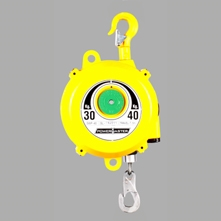
Production floors depend on speed, control, and worker safety. Tools that stay suspended, balanced, and ready for use help reduce strain during long work cycles. A heavy duty tool balancer supports this need by carrying the weight of industrial tools while keeping them within easy reach. At the same time, a spring balance tool helps maintain stable tool movement and improves handling during repetitive operations. These systems support cleaner workstations, smoother motion, and better control across many industrial tasks.
Why Tool Balancing Matters in Industrial Work
Large assembly lines often use pneumatic tools, welding guns, grinders, and torque tools for long hours. Holding these tools by hand for extended periods causes fatigue and slows production. Tool balancing systems reduce this pressure by suspending the tool from above and supporting its weight through a spring mechanism.
Workers can move tools with less effort while keeping the tool aligned with the work area. This setup also lowers the chance of accidental drops, cable tangling, and uneven handling. Industries that focus on repeat accuracy often depend on balanced tools to maintain steady output without placing extra stress on operators.
Common Uses of Heavy Duty Tool Balancers
A heavy duty tool balancer works well in environments where tools remain in constant use throughout the shift. These units handle larger loads and support demanding industrial tasks.
Common applications include:
- Automotive assembly stations
- Metal fabrication units
- Welding and grinding operations
- Packaging and material handling systems
- Aerospace maintenance setups
- Industrial repair workshops
In these settings, workers need quick access to heavy tools without lifting the full weight repeatedly. The balancer keeps the tool suspended while allowing controlled vertical movement.
How Spring Balance Tools Improve Workflow
A spring balance tool uses internal spring tension to support tool weight and maintain smooth movement. Operators can pull the tool down for use and release it back into position after the task.
This system improves workflow in several ways:
- Reduces arm and shoulder strain
- Helps maintain organized work areas
- Improves tool positioning accuracy
- Supports repetitive production tasks
- Lowers wear caused by dropping or dragging tools
Many industries use spring balancing systems where speed and consistency matter more than manual lifting strength.
Industrial Value Beyond Convenience
Tool balancing systems do more than improve comfort. They also help extend tool life and improve workspace safety. Suspended tools face less impact damage and stay clear of floors, oil, dust, and debris.
Factories also benefit from better operator movement and cleaner workstation layouts. In high-cycle production, even small reductions in physical effort can improve long-term efficiency.
Conclusion
Industrial operations rely on equipment that supports both performance and worker control. Tool balancing systems help reduce strain, improve movement, and support safer handling across production environments. A properly selected balancing setup can improve workflow without adding complexity to daily operations.
Spring Balancers offers industrial balancing solutions designed to support controlled tool handling and organized workspaces across demanding applications. Their systems help industries manage repetitive tool operations with improved balance and operator support. Whether used in fabrication units, assembly lines, or maintenance stations, balancing systems continue to play an important role in improving industrial efficiency and tool handling accuracy.
Table of Contents

