



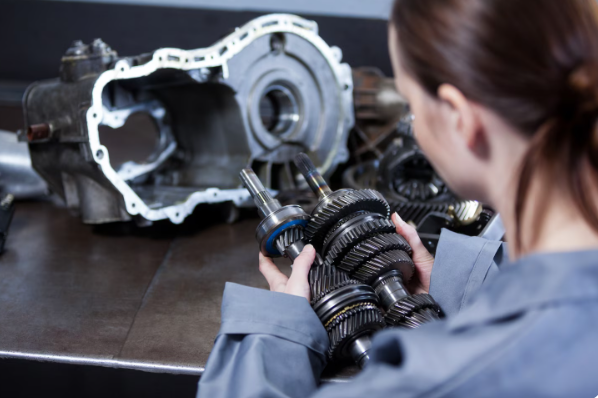
Nothing ruins your morning like that first weird shift, or worse, when the car just sits there refusing to go into gear while everyone’s honking behind you. Transmissions are sneaky like that. One day everything’s fine, next day you’re dealing with slipping (engine revs high but speed stays low), hard clunks going into drive or reverse, whining/grinding noises that get louder with speed, delayed engagement (you hit the gas and nothing happens for a second or two), burning smell from overheated fluid, or the classic “won’t move at all.” If you’ve got any of those, odds are the transmission is crying for help.
Fixing or replacing one is rarely cheap. Walk into a dealership, and they’ll happily quote you $4,000–$8,000+ for a brand-new or remanufactured unit, plus another $1,000–$2,000 in labor if you’re not DIY-ing it. That’s serious money enough to buy a decent used car in some cases. But here’s where a lot of us (myself included) have found the escape hatch: going for a quality used transmission for sale online instead.
Places like Used Auto Parts Pro have changed the game. They pull inventory straight from salvage yards across the country—vehicles that got wrecked in crashes, floods (sometimes), or just traded in with low miles on the drivetrain. You can often land a solid take-out transmission for $800 to $2,000, shipped right to your door, frequently with free or super-cheap freight. That’s not pocket change, but compared to dealer prices, it’s a steal.
Take my neighbor Bill, he drives a 2014 Honda CR-V that started slipping between 3rd and 4th around 140k miles. Transmission shop quoted $4,800 remanufactured and installed. He was ready to sell the car until a friend told him to check online. Went to Used Auto Parts Pro, entered his VIN, found a matching unit from a low-mileage (under 80k) donor CR-V that had been sideswiped but ran perfectly otherwise. Cost him $1,350 shipped with a 90-day warranty. Shop installed it for $800, total under $2,200. Car’s still going strong a year later, no issues. Stories like that are everywhere once you start looking.
Why Used Often Beats New or Reman (Real Talk)
Not saying every used transmission is gold—some are junk—but the good ones from reputable online spots are usually better than people think. These aren’t random junkyard grabs pulled with a forklift and no testing. Good suppliers pressure-test for leaks, bench-run to check shifting, inspect valve bodies/solenoids/torque converters, flush old fluid, and replace any obvious wear items like seals or bushings. You get detailed photos, mileage from the donor vehicle, and sometimes even video of it running on the test stand.
Remanufactured units sound fancy (“rebuilt to factory specs!”), But many are done overseas with mixed-quality parts and can have spotty longevity. I’ve seen plenty come back with the same problems six months later. A clean used OEM transmission from a gently wrecked car often has tighter tolerances and better-matched components than a budget rebuild.
And yeah, the eco angle is legit too. Building a new transmission means mining more metals, using huge amounts of energy for forging/casting/machining, plus all the shipping and packaging waste. Reusing one that’s already made keeps it out of the scrap heap and cuts emissions big time. If you’re the type who recycles or tries to buy second-hand when you can, this fits right in.
Different Transmissions, Different Considerations
Not all used transmissions are the same beast:
- Automatic (most common nowadays) — CVT, 6-speed, 8/10-speed, ZF, Aisin, etc. These are finicky with fluid quality and cooling. Always ask about the fluid condition of the donor and whether it was overheated.
- Manual — Clutch packs, synchros, shift forks. These hold up better to abuse in many cases, but can have worn synchros that make shifting notchy.
- 4WD/AWD transfer cases — If your rig is 4×4, make sure the used unit includes the transfer case if needed, or matches your setup.
- Hybrid/EV-specific — These are trickier and rarer in used markets, but they’re starting to show up as more hybrids hit salvage yards.
Whatever type, match it exactly—wrong gear ratios, bellhousing patterns, or electronics will leave you stranded.
How to Buy Smart and Avoid Headaches
- Get your specs locked in: Full VIN is king—it pulls the exact transmission code. Also note 2WD/4WD, engine liters, and trim level.
- Search on sites like Used Auto Parts Pro—filter by part, vehicle, and price range. Compare a few listings.
- Look beyond price: Prioritize “low miles,” “tested,” “warranty included.” Read the description for red flags like “as-is” or “core charge.”
- Warranty/returns matter. 30–90 days free is standard now; use it if the thing arrives DOA or doesn’t bolt up.
- Shipping—ask about transit time. Some yards are slow; others overnight the big stuff.
- Installation: If you’re not comfortable dropping a transmission (it’s heavy, messy, and needs alignment tools), budget $600–$1,200 for a shop. Still way cheaper overall.
Common screw-ups I’ve seen: Buying without VIN match (electronics don’t talk), ignoring fluid type (wrong ATF kills modern autos fast), skipping a flush/filter change during install.
Wrapping It Up
Bottom line, if your transmission is dying and the quote makes you nauseous, don’t just accept it. A properly sourced used transmission for sale from a place like Used Auto Parts Pro can get you reliable miles for a fraction of the cost, with less risk than you might expect. I’ve watched it save commuters, families with minivans, weekend truck guys, and even small delivery fleets from financial pain.
Next time you hear that telltale slip or clunk, take a breath, grab your VIN, and start shopping online. You might end up with a running car and cash left over for something fun instead of another repair bill.
Table of Contents

