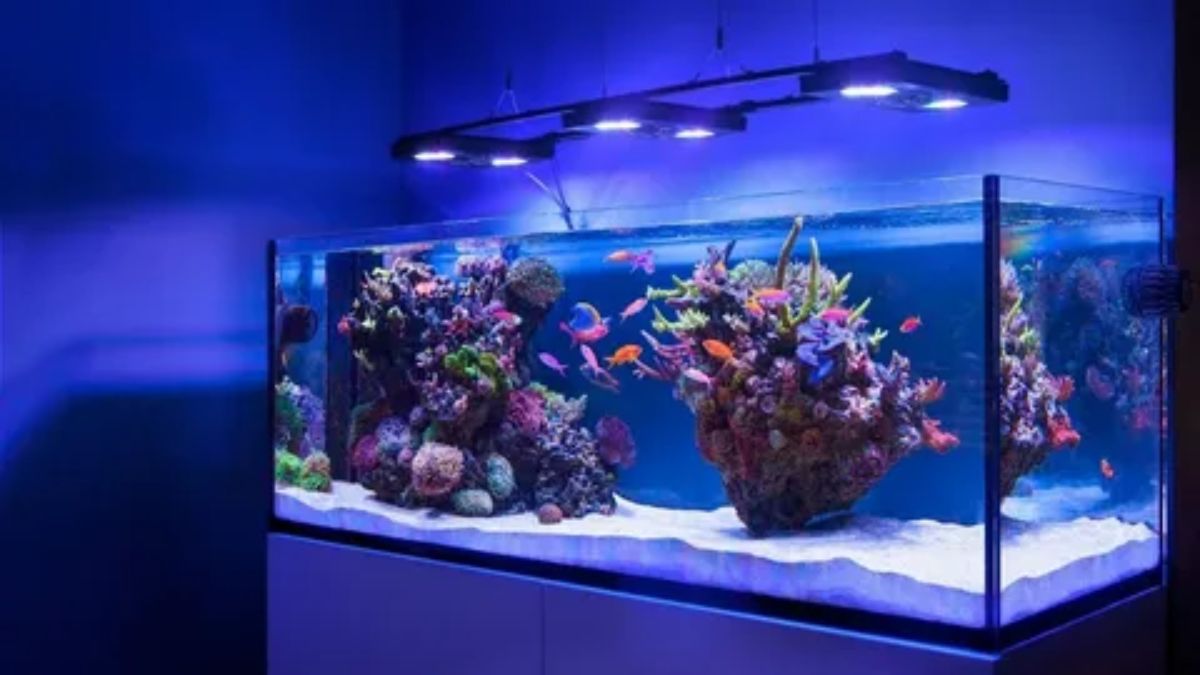
Having a saltwater aquarium is not an impossible feat, but it does take some effort to ensure that you are keeping your aquarium healthy and clean. In this article, we will take a look at some of the things you should be looking out for when it comes to filling your aquarium and cleaning it. In addition, we will also look at how you can maintain your tank and test kits to make sure that your water is suitable for your fish.
Cleaning
Keeping your saltwater aquarium clean is not difficult if you follow a few simple steps. These steps are designed to keep your aquarium looking clean and healthy while helping to avoid algae blooms.
When cleaning your saltwater aquarium, the first step is to remove any visible debris. This can be done by using a sponge or toothbrush. You may also want to use a seaweed remover to clean your aquarium glass.
If you have a gravel vacuum, you can remove algae buildup by sucking it out with a siphon. You can also use filter floss to pull out large waste.
You should check your aquarium water weekly. If the pH level is too high, you should drain some of the water. You can do this by removing 10% of the water and replacing it with fresh water.
To prevent the spread of bacteria, you should keep the aquarium at a consistent temperature. The temperature should be between 23 to 28 degrees Celsius.
When you clean your saltwater aquarium, you should also test the water for chlorine and nitrates. These contaminants are harmful to fish. You can also reduce the salinity of the aquarium by adding fresh water.
You can prepare the water for your aquarium in advance. You can store it in a clear container and mark it with a label. This will make it ready for use when needed.
Filling
Getting your saltwater aquarium up and running requires some planning. It’s important to understand your options and the costs involved before you buy.
The first step is to decide which type of fish you want to keep in your tank. There are many different types, and choosing the right one is important. Some aquarium fish eat plankton, while others feed on organisms found in the ocean’s natural habitat. You’ll need to find out what kinds of food they eat and if you need to add trace minerals.
Next, you’ll need to decide how you’re going to store your aquarium. You can either use a stand or a traditional sump in the back of the main tank. This will affect the rest of your aquarium design.
Besides the tank, you’ll need some equipment. This includes a heater, a filter, and a sand substrate. You can find these items at pet stores or online.
You’ll also need to have a way to monitor the level of the water in your saltwater aquarium. This can be done with a level. You’ll need to make sure the level is stable for at least 24-48 hours. You’ll also need to set up a drip loop with electrical wires.
The most important thing to remember is that you’ll need to do regular water changes. This helps maintain great water quality. You should replace about 10 percent of the water in your aquarium.
Add saltwater
Creating a saltwater aquarium can be a daunting task, but it doesn’t have to be. The process is relatively simple, and the rewards are well worth the effort.
Planning is the key to a successful aquarium. This includes researching the type of fish you want to keep. You can also decide on a location for your tank. You may opt for a community tank, or a species only tank, depending on your fish’s preferences.
The water movement in your tank is critical to the health and survival of your aquatic inhabitants. This is particularly important for corals, and invertebrates. It is also the best way to circulate food particles and keep your aquarium looking great.
Choosing the best fish to start with is an essential part of your saltwater aquarium setup. You’ll need to make sure they are hardy and healthy enough to withstand the conditions of a saltwater tank. You can find plenty of information online about the various types of fish and how to care for them. You can also ask a fish store for advice on the best way to go about purchasing and preparing your aquarium.
The water in your saltwater aquarium will need to be treated. You can either buy pre-mixed saltwater or make your own. This will require you to perform a number of tests. Some of these tests will include determining the correct salinity and pH.
Test kits
Keeping a saltwater aquarium can be a lot of fun and rewarding. However, it is important to ensure that the water quality in your tank is as good as possible. Test kits for saltwater aquariums can help you monitor the parameters of your tank and help you diagnose problems before they become too serious.
These kits provide an affordable and accurate way to test the water in your aquarium. They are made to use with quality reagents and can provide highly precise results.
The API(r) Saltwater Master Test Kit is an easy-to-use kit that tests four important saltwater parameters. These include nitrate, ammonia, pH and nitrite. It comes with a complete set of reagents and thorough instructions.
For the best overall value, the Tetra EasyStrips 6-in-1 Saltwater Aquarium Test Strips are an excellent choice. These are affordable, saltwater friendly, and come in a secure plastic bottle. Besides testing the water in your tank, these test strips can be used for freshwater tanks, too.
Choosing a test kit for your saltwater aquarium depends on your personal preferences and testing needs. Some people prefer to use checkers or other colorimeters for their testing. Others prefer to use test strips.
Some of the most popular and highly rated test kits for saltwater aquariums are those from Salifert. These kits are quick and easy to read, and they have a wide range of options for almost any parameter.
Feeding fish and invertebrates
Providing the proper nutrition for your saltwater aquarium is important. Not only can it affect the health of your fish, but it can also affect the water quality. For instance, overfeeding can cause detritus to build up in the tank.
Some saltwater aquarists use pellets to supplement their fish food. Some people even mix different foods to create a vitamin-enriched diet.
Phytoplankton is the food of choice for marine invertebrates. Using phytoplankton in the aquarium is a good way to simulate the natural ecosystem of marine life. Most phytoplankton sold for the aquarium trade is naturally occurring. Most phytoplankton is 5- to 25-micron in size.
Copepods are small crustaceans found in many marine ecosystems. They are often the food of invertebrates and a great source of protein for your fish. They were once only available at commercial breeders, but they are now available online.
Brine shrimp are small invertebrates that grow in saltwater. They can be a good food source for stressed-out fish. However, they are not the best long-term food. They should be given once or twice a week. They also add color and movement to the tank.
Black worms are also an excellent source of protein and calories for your fish. They can also be used as food for LPS corals. These snails have a snorkel in front of their shells, so they can reach into the cracks of the tank. They feed on algae and detritus.
Maintenance
Keeping a saltwater aquarium requires a lot of attention to detail and patience. In order to keep your fish and plants happy, you need to follow a proper maintenance schedule. This includes changing water and topping off evaporation.
A saltwater aquarium is also susceptible to disease if not maintained properly. A good rule of thumb is to feed your fish twice a day. You will need to remove any dead and decaying plant material. It is also important to monitor the water chemistry and the alkaline levels. You can test the water for calcium and nitrate.
In addition, you should check the health of your fish and livestock. This can include looking at the gravity, temperature, and alkaline levels. You will also want to check for any leaks.
Another component of proper saltwater aquarium maintenance is a weekly water change. The goal is to maintain a low level of organics. This means you should change a quarter of the tank’s volume each week.
To make sure you get the best results, you should add a salt mix that is free of phosphate and nitrate. You can also use a carbonate hardness to lower the pH.
A sump tank is also necessary to remove excess water. The filter media and lift pump will be a part of this system. You can also use an oil pan.
Table of Contents