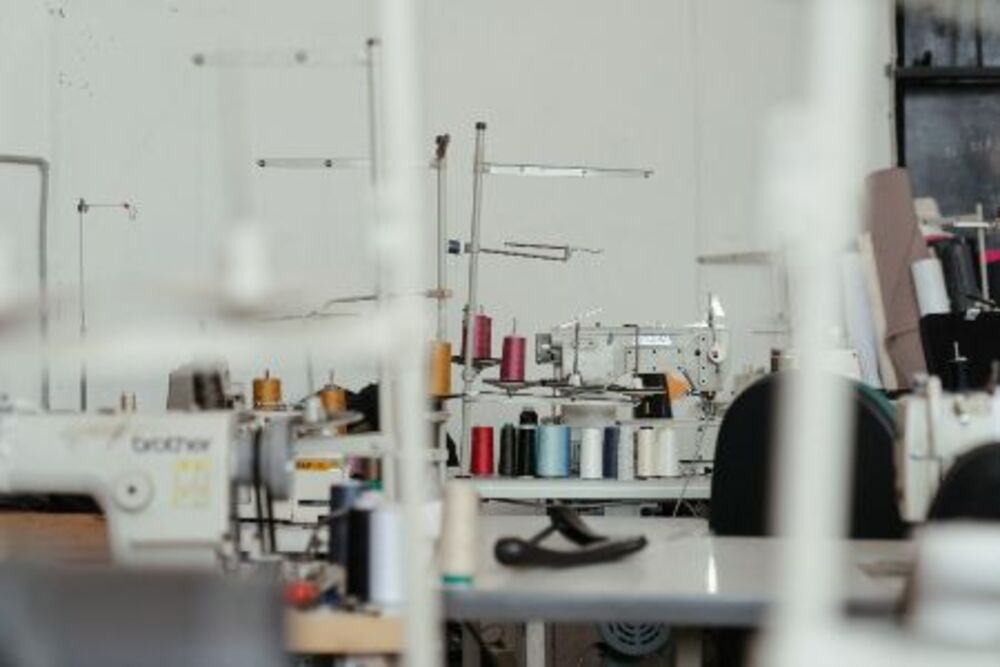
It can be intimidating to see a sewing machine for the first time. But, if you know how to use the machine, you can sew in no time. There are many things to keep in mind when operating a machine. Read on to learn about the Stitch selector, Presser foot, Spool pin, and Thread take-up lever.
Stitch selector
You can make adjustments to your sewing machine’s stitch selector dial to produce the exact type of stitch you want. For example, you can leave the stitch width at 0 for straight stitches, which do not require the needle to move. You should increase the stitch width if you are using other stitches.
A majority of sewing machines have a dial that allows you to select the type and size of stitch you want. This control dial is located at the top of your best sewing machine with embroidery, often on the right side. It displays the name of the stitch, its length and width, as well as tension. Some machines also have a button that allows you to choose the stitch you want to use.
The thread guide is an essential component of your sewing machine. It’s a metal part that sits on top of the sewing machine. This part contains round tension discs that pinch the thread as it travels through the machine. It is best to not manually adjust the stitch length as it can cause the needle’s to bend or break.
A stitch selector guide can be found on your sewing machine. You can either refer to the manual or use the diagrams in the manual. You should begin with the basic straight stitches. When you are ready to choose a stitch, ensure you have the right foot pedal and the needle at the right height.
Presser foot
A presser foot for sewing machine can help you sew a variety of fabrics and projects. It can be used for turning corners, sewing through fabric, and even sewing on a seam. It can also be used to add decorative stitches. You may use a different foot for different projects, but there are many options available.
Some feet are designed to make the sewing process easier and faster, such as for quilting or hemming. These feet are great for working with thick layers or batting. Some quilting foot features a bar to help you maintain the desired distance between rows of stitches. Some feet are also useful for topstitching a quilt.
When using a presser foot, make sure you use the correct size for your machine. The length of the presser foot should be sufficient to fit your machine’s shank. It should fit in the machine’s holder. If you don’t know how to use a specific foot, you can use a generic one.
You can also buy specialized sewing machine feet. These feet can be used to make your sewing more precise and professional. Buying a presser foot from a sewing machine dealer will help you choose the right one for your needs.
Spool pin
A spool pin guide is a tool that will help you thread the spool properly. The guide’s diagram will show you where the pin is located, how to thread it and which direction the thread should go. It will also show the “U-shaped” opening through which the thread must pass.
Sewing machines also come with different types of spool pins. Some machines have horizontal pins while others have multiple. Multiple spool pins on sewing machines can give a smoother thread flow. Spool pins can be horizontal or vertical, depending on the model. If the spool pin is not horizontal, the thread won’t be fed as smoothly. Sewing machines also have a take-up lever and a dial for choosing different stitches. Newer models have buttons on their control panels to select from different stitches.
The spool pin guide for sewing machines will help you thread the spool and the needle. The guide will also show you where to place your bobbin thread. The bobbin thread is the second spool that goes into your sewing machine. The bobbin is located under the needle.
A thread guide is a small metal piece that directs the thread from the spool pin to the bobbin winder. Most sewing machines have a bobbin winder on the top of the sewing machine. The spool pin will be attached to the bobbin by a metal piece that sticks out from the machine.
Thread take-up lever
If you use a sewing machine that has a thread take-up lever, you should always make sure it is all the way up. Sometimes, the take-up lever may cause the top thread of your sewing machine to fall out. This can cause the thread to break or even create a nest for birds. This can be prevented by using a longer spring or a stronger lever.
A sewing machine thread take-up lever works by stopping the sewing needle 68 when it reaches the lower dead center (D). This is accomplished by moving the needle bar 60 down. The shuttle will then pull the upper yarn out of the throat plate and prevent it from coming in contact with the work fabric.
A thread take-up mechanism also has a drive mechanism, which allows it to move up or down. The thread take-up lever is driven by the same crank on the upper arm shaft as the needle bar. It also has an additional link that delays movement of the take up lever.
Thread take-up levers can also be used with industrial sewing machines. These levers are made to prevent thread wads from forming and knotted threads. These levers are made of durable raw material and are designed to withstand external pressure. Typically, this lever is located above the presser foot.
Needle guide
There are a variety of needles available, but a needle guide can help you decide what to get for your sewing machine. This guide also includes a true-scale needle measurement chart that will help you choose the right size for your machine. It also provides a brief description of each type of needle and their common uses. There are hundreds of different types available so make sure you know which one you’re looking for.
It can be difficult to choose the right needle. The size, shape, and point all have an impact on the sewing process. A round point needle is suited for sewing cotton, while a blunt needle is perfect for sewing stretchy materials like leather. You may even want to use a needle scarf, which allows you to place the hook close to the eye of the needle so that you don’t end up with skipped stitches.
It is equally important to choose the right size needle for your sewing machine as you select the right fabric. The size of your needle is crucial as it will affect the quality of the stitching that you produce. There are both imperial and metric sizes of needles. The smaller the number, it will produce finer stitching. Choosing the wrong needle size can result in uneven stitching, frayed threads, or holes in your fabric.
In addition to size, there are several types of needles available. There are those designed for different kinds of fabric, from denim to leather. A needle guide will help you choose the right sewing machine needle. To help you make the right choice, you can refer to the user manual to understand the different types of needles.
Safety precautions
Sewing machines are powerful tools, and there are many safety precautions to take when using them. The first and most obvious is to ensure that they are out of reach of pets or children. Moreover, sewing machines can be easily overheated, so it is important to unplug it after use. Avoid overloading your machine by not plugging it into the same source of power as other appliances. When not in use, store it away carefully.
Another important safety precaution is to wear proper eye protection. Sewing machines can cause eye injuries if you are not careful. Wearing eye protection is recommended, especially if you are working in low light. You should also avoid leaving your sewing machine cords on the floor, as it could potentially trip you.
Proper posture when sewing is key to safety. The sewing needle is a sharp object and you must avoid catching it on your fingers. Beginners should take their time and not rush to sew. You must also avoid touching the needle point, as it can break easily and can splatter the material. Also, wear closed shoes, and designate a work area where you can store heavy tools. You should not leave scissors unattended under the material. They could fall off the table if you pull them out.
Lastly, make sure to keep the machine in good condition. It is best to clean the machine with oil and brushes as often as possible. Always make sure to switch off the machine when you are done working with it. In the event of a malfunction, it is a good idea to have someone nearby.
Table of Contents