



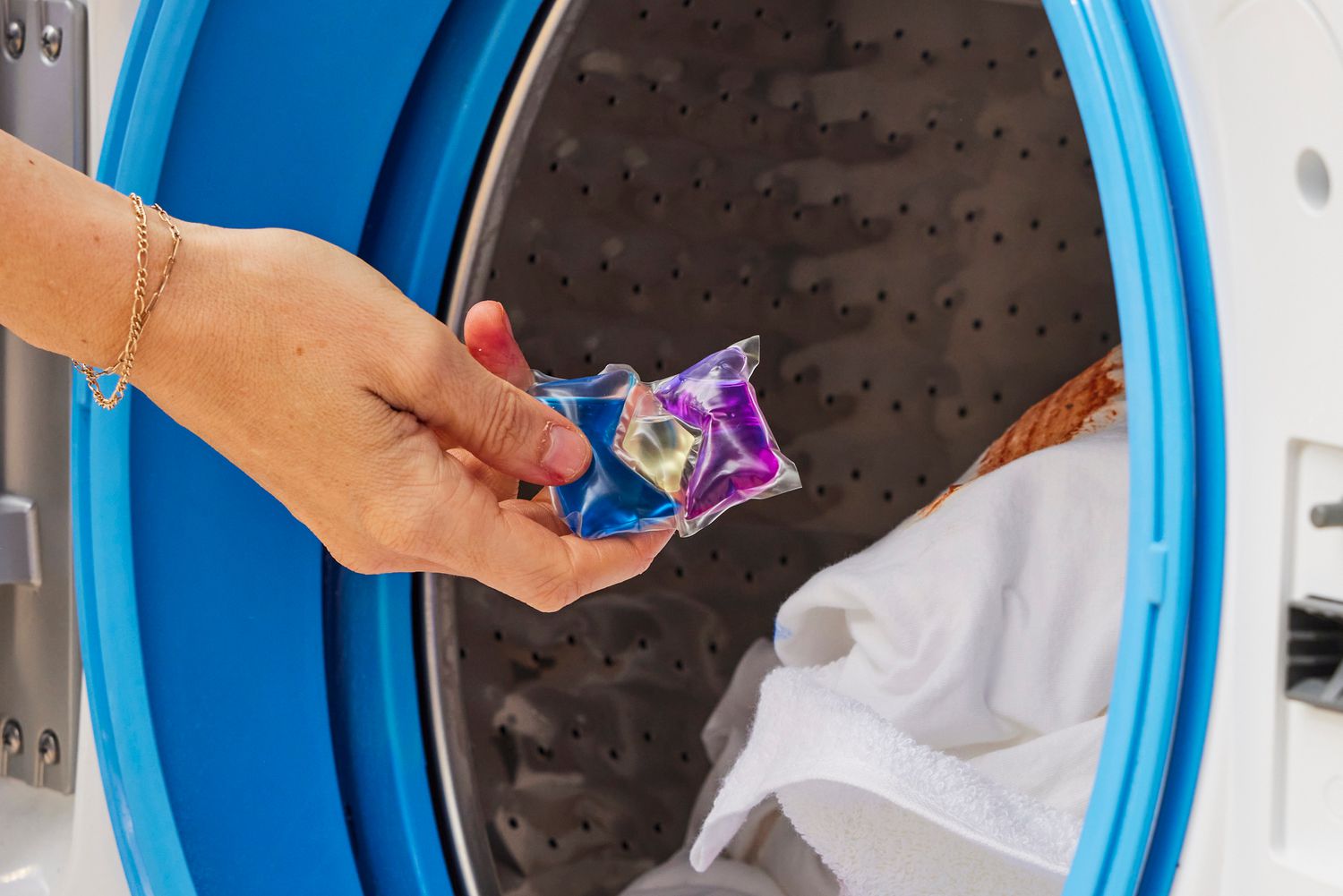
Operating a laundry pod machine effectively requires a combination of technical knowledge, attention to detail, and adherence to safety and maintenance protocols. These machines are sophisticated pieces of equipment designed to handle precise dosing, sealing, and cutting processes, and following best practices ensures consistent pod quality, efficient production, and a safe working environment. Proper operation is critical for maximizing productivity, minimizing downtime, and maintaining a high standard of product reliability.
Preparing for Production
Before starting any production run, it is essential to prepare both the machine and the production area. Ensure that all raw materials, including detergent formulations and water-soluble films, are ready and meet quality standards. Cleaning the machine and checking all components for wear or damage helps prevent production errors and reduces the risk of contamination.
Modern machines, such as the Laundry Pod Machine, include automated diagnostics and safety checks. Operators should familiarize themselves with these features, as they help identify potential issues before production begins. Additionally, verifying that all sensors, dosing systems, and sealing mechanisms are functioning correctly can prevent defective pods and reduce material waste.
Maintaining Safety Standards
Safety is a top priority when operating laundry pod machines. Detergent formulations can be hazardous, and high-speed mechanical components pose a risk if mishandled. Operators should always use protective equipment, such as gloves and safety goggles, when handling chemicals or performing maintenance.
Ensure that emergency stop buttons and safety interlocks are functional and accessible. Regularly inspect protective panels and enclosures to prevent accidental contact with moving parts. Following proper safety protocols reduces the risk of injury and ensures compliance with workplace safety regulations.
Optimizing Machine Settings
One of the key best practices for operating a laundry pod machine is optimizing machine settings for each production run. Factors such as dosing volume, sealing temperature, cutting speed, and film tension must be adjusted according to the type of detergent and pod design.
Precise adjustments help maintain consistent pod weight and shape, prevent leakage, and minimize defects. Automated machines with programmable logic controllers (PLC) and human-machine interfaces (HMI) allow operators to store settings for different products, facilitating quick changeovers and reducing downtime. Operators should regularly calibrate dosing pumps and check sealing elements to maintain optimal performance.
Monitoring Production
Continuous monitoring during production is essential for maintaining pod quality and machine efficiency. Operators should watch for signs of irregular dosing, film misalignment, or incomplete seals. Even minor deviations can result in defective pods, wasted materials, and increased costs.
Modern laundry pod machines often include real-time monitoring systems that alert operators to potential issues. Sensors can detect jams, alignment problems, or abnormal temperatures, allowing immediate corrective action. By actively supervising production and responding to alerts promptly, operators ensure that pods meet quality standards consistently.
Regular Cleaning and Maintenance
Routine cleaning and maintenance are vital for long-term machine performance. Residue from detergents can accumulate on dosing pumps, molds, and sealing surfaces, affecting pod quality and potentially damaging the machine.
Best practices include scheduled cleaning of all contact parts, inspection of moving components for wear, and replacement of seals, blades, or pumps as needed. Lubrication of mechanical parts and verification of electrical connections help prevent breakdowns and extend machine life. Following a preventive maintenance schedule reduces unexpected downtime and ensures consistent production efficiency.
Efficient Material Handling
Efficient handling of raw materials and finished pods is another important practice. Proper storage of detergents and water-soluble films prevents contamination, clumping, or degradation, which can affect pod quality.
Conveyors, storage bins, and counting systems should be managed to maintain a smooth production flow. By reducing delays in material supply and collection, operators can maintain high-speed production while minimizing waste and handling errors.
Training and Documentation
Comprehensive training for operators is crucial for maintaining best practices. Operators should be familiar with machine functions, safety protocols, troubleshooting procedures, and quality standards.
Keeping detailed documentation, including production logs, maintenance records, and calibration schedules, helps monitor performance over time. This information allows operators to identify trends, improve efficiency, and prevent recurring issues.
Conclusion
Operating a laundry pod machine efficiently requires careful preparation, adherence to safety protocols, optimization of machine settings, continuous monitoring, and regular maintenance. Best practices in these areas ensure consistent pod quality, reduce downtime, minimize waste, and maintain a safe working environment.
Investing time in proper training, machine calibration, and preventive maintenance not only enhances production efficiency but also extends the lifespan of the equipment. Using a reliable and advanced Laundry Pod Machine ensures that manufacturers can maintain high-quality output while scaling production to meet growing market demand. Following these best practices positions businesses for long-term success in the competitive laundry pod industry.
Table of Contents

