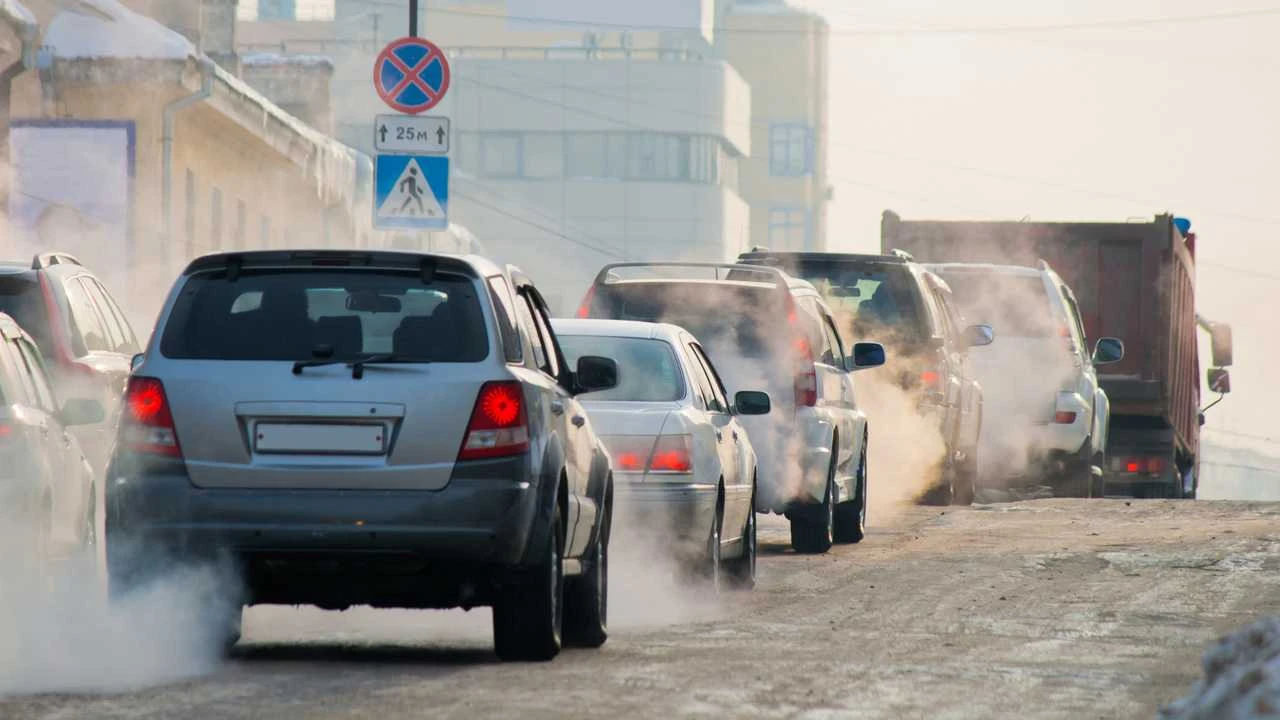
Smog tests are an essential requirement for vehicle owners in many states, particularly in California, where environmental regulations are strict. These tests help ensure that vehicles meet emissions standards and contribute to cleaner air. However, many drivers face the frustration of failing their smog tests, leading to delays and costly repairs. Understanding the common reasons vehicles fail smog tests and learning how to prevent these issues can save time, money, and stress.
Finding Reliable Smog Check Services
Before diving into the causes of smog test failures, it’s important to choose a certified and trustworthy smog check station. In California, platforms like the Smog Check Network (available at www.smogcheck.net) and Vehicle Care Network (available at www.vehiclecarenetwork.com) provide lists of authorized stations. Using certified providers ensures your vehicle is tested accurately and according to state guidelines.
Why Vehicles Fail Smog Tests
Vehicles can fail smog tests for several reasons, often related to engine performance, emissions control systems, or diagnostic issues. Below are some of the most common causes:
1. Malfunctioning Oxygen Sensors
Oxygen sensors play a critical role in regulating the engine’s air-fuel mixture. When these sensors fail, they send incorrect data to the engine control unit (ECU), resulting in poor combustion and increased emissions. A faulty oxygen sensor often triggers the “Check Engine” light and can cause a vehicle to fail the smog test.
2. Faulty Catalytic Converter
The catalytic converter reduces harmful pollutants by converting them into less harmful gases. If the converter is damaged or clogged, the vehicle will emit higher levels of pollutants, causing it to fail the smog check. Catalytic converter issues can stem from engine misfires, poor maintenance, or using the wrong fuel.
3. Loose or Damaged Gas Cap
A loose or damaged gas cap may seem minor, but it can cause the vehicle to fail the evaporative emissions portion of the smog test. The gas cap seals the fuel system to prevent harmful vapors from escaping. If the seal is compromised, it triggers an emissions leak detected by the testing equipment.
4. Incomplete or Faulty On-Board Diagnostics (OBD) System
Most vehicles built after 1996 rely on the OBD system to monitor emissions. If the system is not ready or shows error codes, the vehicle will automatically fail the smog test. This can happen if the battery was recently disconnected, or if the vehicle has unresolved mechanical problems.
5. Engine Misfires and Poor Tune-Ups
Engine misfires cause incomplete combustion, leading to higher emissions of hydrocarbons and carbon monoxide. Ignition system problems, worn spark plugs, or clogged fuel injectors can contribute to misfires and subsequent test failures.
6. Excessive Carbon Build-Up
Carbon deposits can form inside the engine or exhaust system due to poor fuel quality, infrequent maintenance, or short trips where the engine doesn’t fully warm up. This buildup increases emissions and reduces engine efficiency.
How to Avoid Smog Test Failures
Preventing smog test failures largely depends on proper vehicle maintenance and timely repairs. Here are some effective strategies to improve your chances of passing the test:
Keep Up with Routine Maintenance
Regular oil changes, air filter replacements, and spark plug servicing keep your engine running efficiently and reduce harmful emissions. Following your vehicle manufacturer’s recommended maintenance schedule is essential.
Drive Your Vehicle Regularly and Properly
Short trips where the engine doesn’t reach optimal operating temperature can cause emissions-related components to malfunction. Regularly driving your vehicle for 15 to 20 minutes at highway speeds helps keep emission systems clean and functioning.
Check the “Check Engine” Light
Never ignore the “Check Engine” light. Use an OBD-II scanner or visit a trusted mechanic to diagnose and fix any underlying issues before your smog test.
Inspect and Replace the Gas Cap as Needed
Check your gas cap for cracks or loose fittings and replace it if necessary to prevent evaporative emissions leaks.
Get a Pre-Test Inspection
Consider having a pre-test inspection at a certified smog check station or trusted mechanic. This can identify potential problems before your official test, saving you time and money.
Conclusion
Understanding the common reasons vehicles fail smog tests and how to avoid them can help you maintain compliance with state emissions regulations while protecting the environment. Choosing certified stations listed on the Smog Check Network and Vehicle Care Network ensures your vehicle is tested accurately. With proper maintenance, attention to warning signs, and a bit of preparation, you can increase the likelihood of passing your smog test on the first try and keep your vehicle running cleanly and efficiently.
Table of Contents


