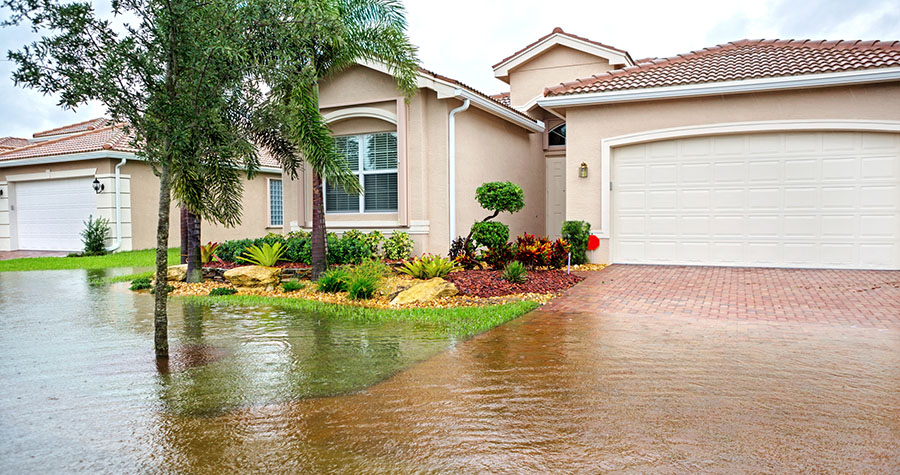
Experiencing flood damage in your home can be overwhelming and distressing. Understanding how to fix flood damage in a house is crucial to restoring your living space and preventing further issues, such as mold growth. This guide provides a step-by-step approach to effectively manage flood damage, ensuring your home can return to its former state.
Assessing the Damage
The first step in how to fix flood damage in a house is to assess the extent of the damage. Look for signs of water intrusion, including:
- Water stains on walls and ceilings
- Damage to flooring
- Issues with electrical systems
- Structural concerns
Documenting the damage with photos can be helpful for insurance claims.
Safety Precautions
Before beginning any repairs, prioritize safety. Ensure the electricity is turned off to prevent electrical hazards. Wear protective gear, such as gloves and masks, to shield yourself from mold spores and contaminants. Following these safety measures is essential when learning how to fix flood damage in a house.
Removing Water
Once it’s safe to proceed, the next step is to remove any standing water. This can be done using:
- Submersible pumps for deep water
- Wet/dry vacuums for smaller areas
The goal is to extract as much water as possible to speed up the drying process.
Drying the Affected Areas
After removing the water, drying the affected areas is crucial. Use fans and dehumidifiers to help evaporate moisture. Open windows and doors to improve air circulation. Ensuring everything is completely dry is essential in how to fix flood damage in a house to prevent mold growth.
Cleaning and Sanitizing
Once everything is dry, it’s time to clean and sanitize the affected areas. Use a mixture of water and detergent to clean surfaces, followed by a disinfectant to kill any remaining bacteria or mold spores. Pay close attention to porous materials like carpets, upholstery, and drywall, which may need to be replaced if they are heavily contaminated.
Repairing and Restoring
With the cleaning complete, begin the repair process. This may involve:
- Replacing damaged flooring or drywall
- Repairing electrical systems
- Painting and restoring walls
Ensure that any repairs adhere to local building codes and standards.
Preventing Future Flood Damage
To protect your home from future flood damage, consider taking preventive measures such as:
- Installing sump pumps
- Improving drainage systems
- Sealing cracks in your foundation
Being proactive can help mitigate the risks associated with water damage in the future.
Conclusion
Fixing flood damage in a house requires careful assessment, safety precautions, and effective remediation strategies. By following this guide on how to fix flood damage in a house, you can restore your home to a safe and comfortable living environment. Remember, in cases of extensive damage, it may be best to consult with professionals who specialize in water damage restoration.
Table of Contents