Steel protection through zinc coating has been widely used for decades to improve durability and resistance against corrosion. Two main approaches dominate industrial production: continuous galvanizing and batch galvanizing. While both methods achieve similar protective results, their processing style, equipment design, and application scope differ significantly.
A well-designed hot dip galvanizing line can be configured for continuous or batch operation depending on production needs, material type, and required coating characteristics.
Overview of Continuous Galvanizing System
Continuous galvanizing is designed for processing steel in coil or strip form without interruption. The steel moves through a series of connected stages, allowing high-volume production with consistent output.
Key Characteristics:
- Continuous feeding of steel strip
- Stable coating thickness control
- High production efficiency
- Suitable for large-scale manufacturing
This system is widely used where uniform steel sheet production is required.
Overview of Batch Galvanizing System
Batch galvanizing, also known as general galvanizing, processes steel components individually. Each piece is cleaned, treated, and immersed in molten zinc separately.
Key Characteristics:
- Individual handling of steel parts
- Suitable for complex shapes and structures
- Flexible production capability
- Lower production speed compared to continuous systems
This method is commonly used for fabricated steel items.
Difference in Production Flow
The most noticeable difference between these two systems lies in how steel is processed.
Continuous System Flow:
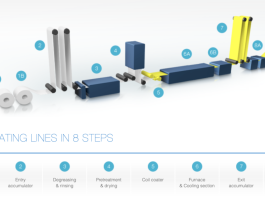
Steel strip moves through:
- Cleaning
- Heating
- Zinc immersion
- Cooling
without stopping until coil formation.
Batch System Flow:
Each steel piece undergoes:
- Surface preparation
- Drying
- Immersion in zinc bath
- Cooling after removal
This step-by-step handling makes batch processing slower but more adaptable.
Coating Quality and Thickness Control
Both systems provide corrosion protection, but coating characteristics differ.
Continuous galvanizing produces:
- More uniform coating
- Precise thickness control
- Smooth surface finish
Batch galvanizing produces:
- Thicker coatings in many cases
- Variable surface texture
- Strong protection for heavy-duty structures
The choice depends on end-use requirements.
Equipment Structure Differences
The equipment used in each system also varies significantly.
Continuous System Equipment:
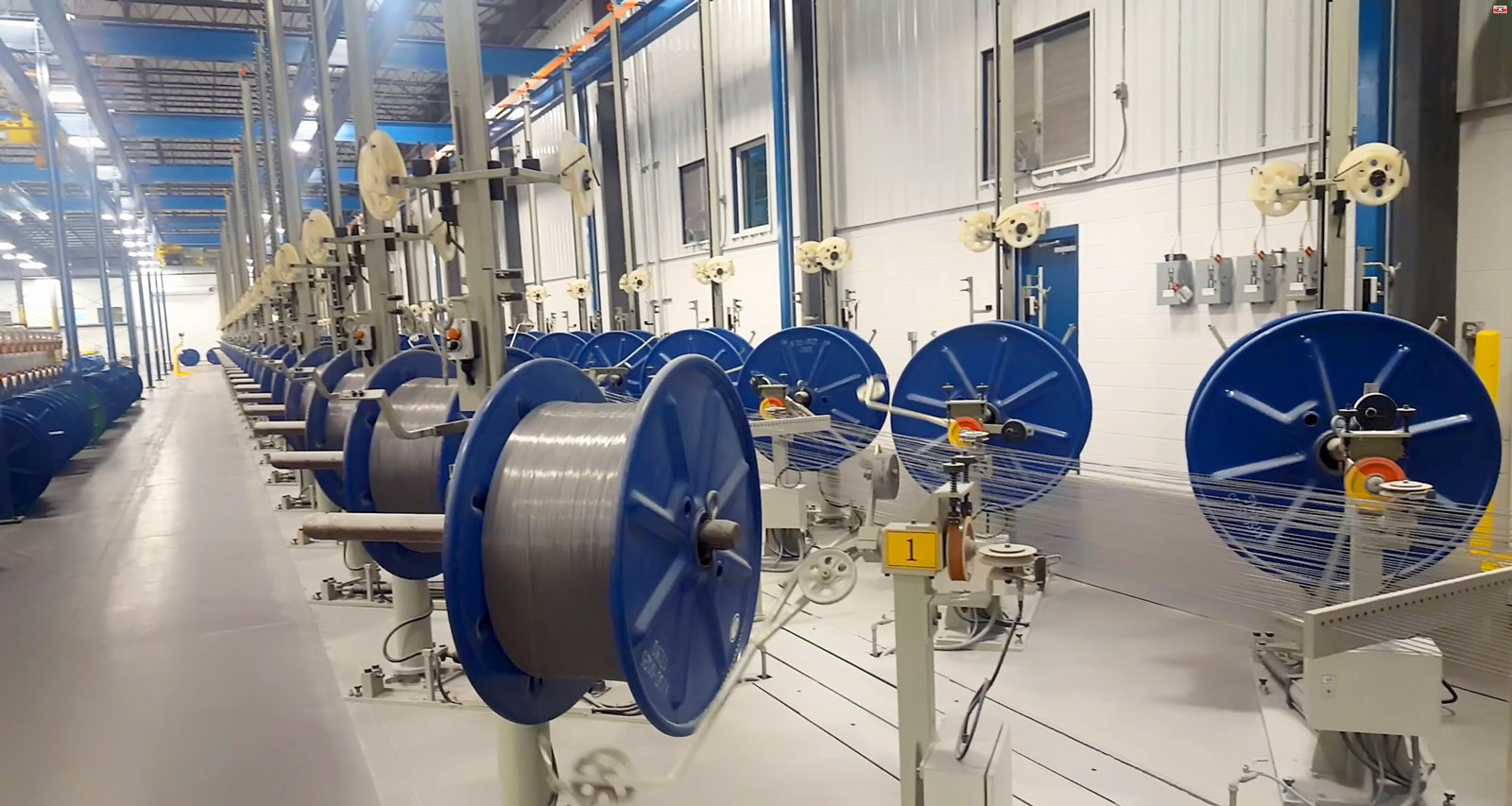
- Coil uncoilers
- Annealing furnaces
- Zinc pots with strip lines
- Air knife systems
- Recoiling units
Batch System Equipment:
- Large zinc kettles
- Lifting cranes or dipping rigs
- Holding fixtures
- Cooling tanks
Continuous systems are more complex, while batch systems are simpler in structure.
Production Efficiency Comparison
Efficiency is a major factor when selecting a galvanizing method.
Continuous systems:
- Higher output rate
- Less manual handling
- Suitable for mass production
Batch systems:
- Lower production speed
- More labor involvement
- Suitable for customized or heavy components
Manufacturers choose based on production scale and product type.
Application Areas
Both methods serve different industrial needs.
Continuous Galvanizing Applications:
- Steel coils and sheets
- Roofing materials
- Automotive panels
- Appliance manufacturing
Batch Galvanizing Applications:
- Structural beams
- Large fabricated parts
- Utility poles
- Construction frameworks
Each system supports specific industrial demands.
Cost and Operational Considerations
Cost structure varies between the two systems.
Continuous systems involve:
- Higher initial investment
- Lower cost per unit in large production
- Greater automation requirements
Batch systems involve:
- Lower installation cost
- Higher labor dependency
- Flexible production for small batches
The selection depends on long-term production strategy.
Conclusion
Continuous and batch galvanizing systems both play important roles in steel protection industries. Each method offers unique advantages depending on product type, production volume, and required coating characteristics.
A properly engineered hot dip galvanizing line can be adapted to meet either continuous or batch processing needs, ensuring reliable corrosion protection and consistent steel quality across different industrial applications.
Table of Contents