



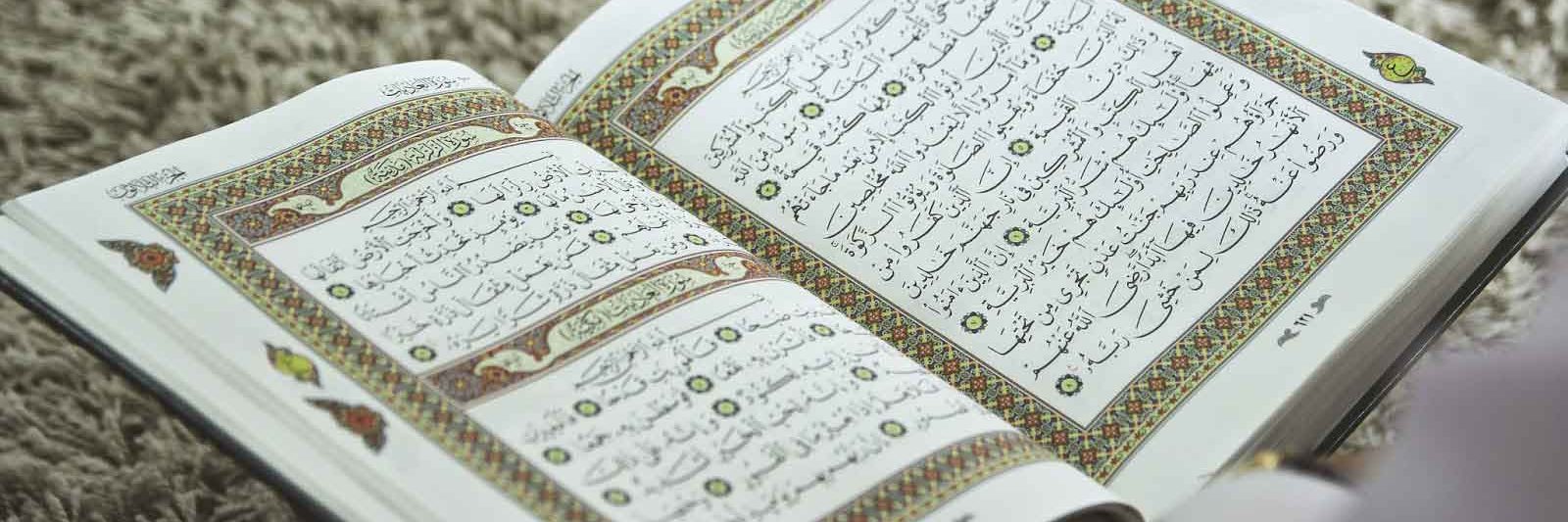
Learning to read the Quran is a spiritual and rewarding journey. Many beginners feel overwhelmed, but with the right approach, reading fluently can become easier than expected. The key is to combine dedication, proper guidance, and consistent practice. This guide provides simple, practical steps to help beginners quickly start reading the Quran with understanding and confidence. By following these methods, anyone can gradually improve their pronunciation, recognize Arabic letters, and connect with the meanings of the verses. With patience and daily practice, Learn to Read Quran can become an enriching experience that strengthens faith and knowledge.
Understanding the Basics of Quranic Arabic
Before starting, it is important to get familiar with the Arabic alphabet and the unique sounds of each letter. The Quran uses classical Arabic, which may differ slightly from spoken Arabic. Beginners should focus on recognizing letters and learning the correct pronunciation, known as Tajweed. Correct pronunciation is essential because even a small mistake can change the meaning of words. Learning with a teacher or using quality online resources can help build a strong foundation.
Learn Arabic Letters
Start by memorizing the 28 Arabic letters and their shapes. Practice writing and pronouncing each letter daily. Using flashcards or apps designed for Quranic Arabic can speed up the learning process. This step is fundamental before moving on to reading words and verses.
Understand Short Vowels
Short vowels, or Harakat, guide pronunciation in the Quran. These include Fatha, Kasra, and Damma. Learning these vowels will make reading easier and ensure words are pronounced correctly. Practice reading small words with vowels before progressing to longer phrases.
Step-by-Step Guide to Reading Quran Fast
Once the basics are clear, follow these steps to develop reading fluency.
Step 1: Start with Simple Words and Phrases
Begin reading short verses or simple words. Focus on accuracy, not speed. Breaking the Quran into small sections helps in gradual learning. Repetition is key—read the same verses multiple times until they become familiar.
Step 2: Listen to Quran Recitations
Listening to professional recitations helps improve pronunciation and rhythm. Repeatedly listening to verses while following along in the text trains the mind to recognize words faster. This method also reinforces memorization and understanding.
Step 3: Practice Daily Reading
Consistent practice is essential to learning quickly. Dedicate at least 20–30 minutes every day to reading the Quran. Daily repetition strengthens recognition of letters, words, and sentence patterns.
Step 4: Use a Teacher or Online Course
A qualified teacher can correct mistakes and teach proper Tajweed. Online courses and apps also provide interactive lessons, quizzes, and guidance for beginners. Personalized feedback ensures progress is steady and mistakes are minimized.
Step 5: Join a Quran Learning Group
Learning in a group encourages accountability and motivation. Group sessions provide opportunities to recite aloud, receive feedback, and learn from peers. Being part of a supportive community speeds up the learning process and builds confidence.
Step 6: Memorize Short Surahs
Start memorizing small chapters, known as Surahs, after getting comfortable with reading. Memorization strengthens reading skills and helps in faster recognition of words in future readings. Use repetition and listening techniques to memorize efficiently.
Step 7: Focus on Tajweed Rules
Tajweed is the set of rules for proper pronunciation and recitation. Learning basic rules, such as elongation (Madd), stopping (Waqf), and nasal sounds (Ghunna), improves reading quality. Gradually incorporate advanced rules as skills improve.
Step 8: Regular Revision
Revising previously learned verses ensures retention and builds fluency. Create a schedule to review past lessons along with new material. Regular revision prevents forgetting and strengthens overall reading ability.
Helpful Tips for Faster Learning
- Set Achievable Goals: Focus on learning a few letters, words, or verses at a time.
- Use Visual Aids: Color-coded letters or apps help in recognizing patterns.
- Be Patient: Learning the Quran is a journey; consistent practice brings progress.
- Combine Reading and Listening: Following along with recitation improves pronunciation and fluency.
Ilm Al Quran: Knowledge That Lasts
Ilm Al Quran, or the knowledge of the Quran, is not just about reading but understanding its guidance and wisdom. Committing to learning with dedication builds both spiritual connection and intellectual growth. Beginners who focus on structured learning, practice, and Tajweed gradually become confident readers. The discipline and consistency required in learning the Quran also foster patience, focus, and mindfulness. Investing time in Ilm Al Quran ensures lifelong benefits, as it strengthens faith, improves character, and connects the reader with divine guidance.
Table of Contents

