Energy efficiency has become a central focus in modern building design and HVAC systems. Reducing energy consumption not only lowers operational costs but also minimizes environmental impact. One key factor in achieving energy efficiency in heating, ventilation, and air conditioning systems is the quality and thermal performance of the ductwork. Insulation duct board has emerged as a reliable material for constructing energy-efficient ducts, offering both thermal insulation and sound-dampening properties. Understanding its role and benefits is essential for engineers, contractors, and building owners seeking optimal HVAC performance.
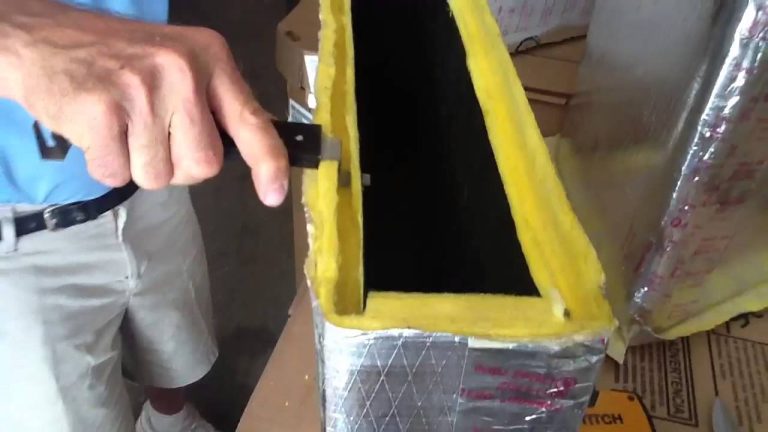
Insulation duct board is a rigid panel made from high-density mineral fibers or fiberglass, designed to provide thermal resistance and structural support in duct systems. Unlike traditional metal ducts with external insulation, insulation duct board integrates insulation directly into the duct walls, enhancing energy performance and simplifying installation. High-quality insulation duct board is engineered to maintain consistent thermal properties, resist moisture, and prevent condensation, which ensures reliable performance over the life of the HVAC system. This combination of thermal efficiency and durability makes it an ideal choice for both residential and commercial applications.
Thermal Performance and Heat Transfer Reduction
The primary function of insulation duct board is to reduce heat transfer between the air inside the duct and the surrounding environment. During heating or cooling operations, poorly insulated ducts can result in significant energy losses, as conditioned air loses or gains heat while traveling through the duct system. Insulation duct board’s dense, fibrous composition minimizes this heat transfer, maintaining the desired temperature of the air delivered to various spaces. By reducing thermal losses, HVAC systems operate more efficiently, requiring less energy to maintain consistent indoor conditions.
The thermal performance of insulation duct board is measured by its R-value, which indicates its resistance to heat flow. Higher R-values correspond to greater thermal resistance, meaning the material can better maintain the temperature of air within the ducts. Properly designed and installed insulation duct board with adequate thickness and density ensures minimal heat loss or gain, resulting in lower energy consumption and reduced utility costs.
Moisture Control and Condensation Prevention
Effective insulation in ductwork also helps control moisture and prevent condensation, which can negatively impact energy efficiency and indoor air quality. When warm, humid air comes into contact with cooler duct surfaces, condensation can form, leading to water damage, mold growth, and reduced insulation performance. Insulation duct board’s integrated vapor barriers and moisture-resistant properties help maintain a dry and stable duct environment. By preventing condensation, these ducts retain their thermal efficiency and minimize the risk of costly repairs or system malfunctions.
Acoustic Performance and Energy Savings
Another benefit of insulation duct board is its acoustic dampening capability. The fibrous structure absorbs sound generated by airflow and mechanical equipment, reducing noise transmission into occupied spaces. Effective noise reduction contributes indirectly to energy efficiency by minimizing the need for additional soundproofing materials or auxiliary devices, which could consume energy. In addition, quieter HVAC systems enhance occupant comfort, making insulation duct board a practical solution for office buildings, hospitals, schools, and residential properties.
Installation and Sealing Impact on Efficiency
Proper installation of insulation duct board is critical to maximizing energy efficiency and thermal performance. Seams, joints, and connections must be sealed correctly using HVAC-approved tapes or mastics to create an airtight system. Even minor gaps or misalignments can lead to air leakage, reducing the overall efficiency of the HVAC system. By ensuring continuous insulation coverage and proper sealing, insulation duct board maintains consistent thermal performance, optimizes airflow, and minimizes energy losses throughout the duct network.
Durability and Long-Term Performance
Insulation duct board is designed for long-term reliability. Its dense construction and moisture-resistant properties help maintain thermal performance over time, even in challenging environments. Unlike external insulation that can degrade, compress, or become displaced, factory-integrated insulation within duct boards ensures consistent energy efficiency and reduces maintenance needs. Regular inspection and maintenance of duct systems can further prolong the lifespan and performance of the boards.
Environmental and Cost Benefits
By reducing energy consumption, insulation duct board contributes to lower greenhouse gas emissions and environmental impact. Efficient thermal performance allows HVAC systems to operate at lower loads, extending equipment lifespan and reducing wear and tear. Over time, the energy savings achieved with insulated ductwork translate into significant cost reductions for building owners. Additionally, the reduced need for frequent maintenance or insulation replacement enhances overall sustainability.
Conclusion
Insulation duct board is a critical component in energy-efficient HVAC systems, providing superior thermal insulation, moisture control, and acoustic performance. Its integrated design reduces heat loss and gain, prevents condensation, and contributes to quieter operation, all of which enhance system efficiency and comfort. Proper selection, installation, and maintenance of insulation duct board ensure long-term thermal performance and energy savings, making it a smart investment for both residential and commercial applications. By prioritizing high-quality duct insulation, building owners and contractors can optimize HVAC performance, reduce operating costs, and support sustainable building practices.
Table of Contents