



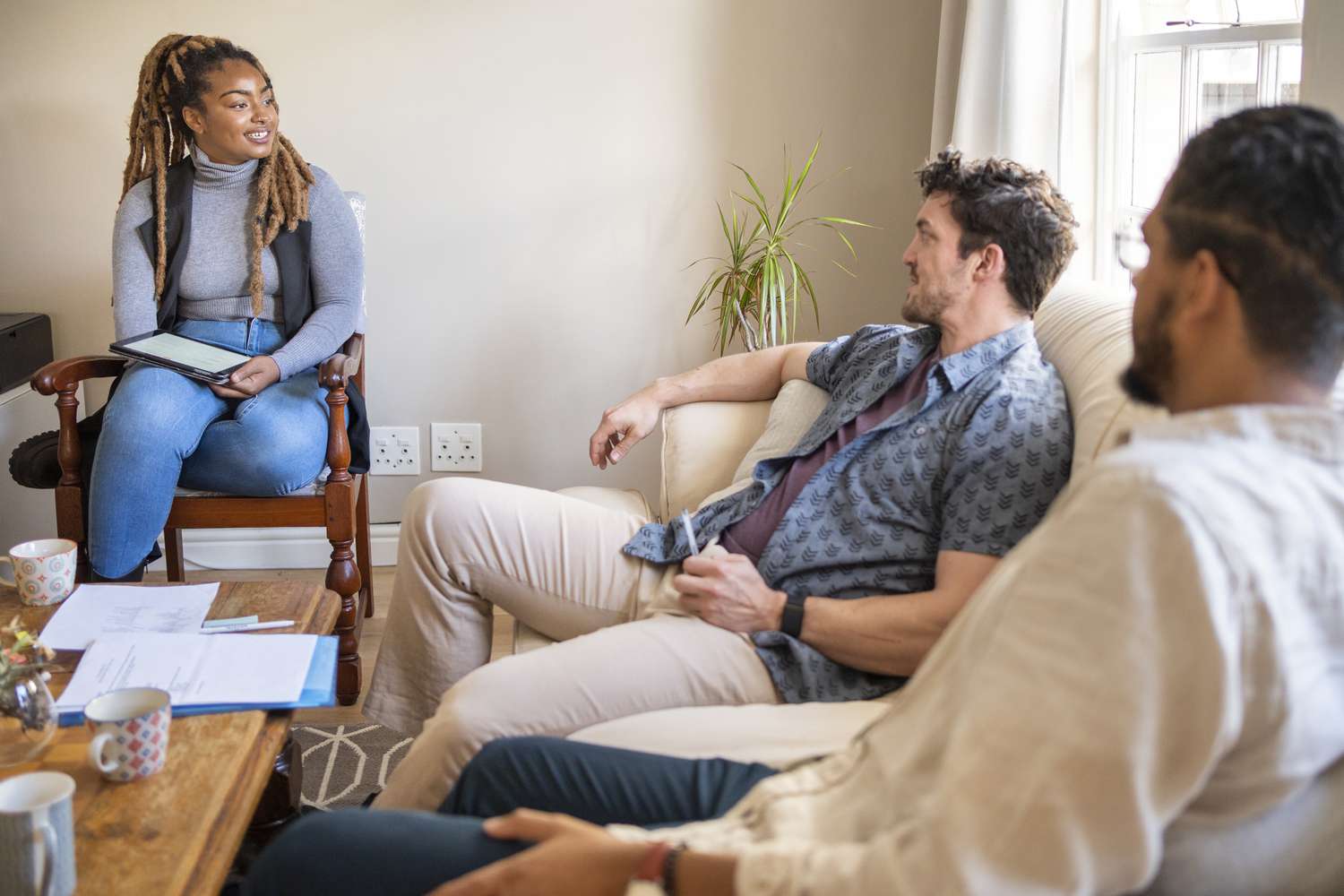
Relationship counseling is a valuable tool for couples looking to strengthen their bond, improve communication, and address challenges they may face together. Whether you’re experiencing persistent conflicts, feeling disconnected, or simply looking to enhance your emotional connection, therapy offers an opportunity for growth and healing. In this article, we’ll explore the significance of relationship counseling, how it works, and the benefits it provides to couples at different stages of their journey.
What is Relationship Counseling?
Relationship counseling is a therapeutic approach where couples work with a trained therapist to address issues affecting their relationship. It offers a safe, neutral environment for partners to openly discuss their concerns, challenges, and goals. Unlike individual therapy, relationship counseling focuses on the dynamic between partners, helping them communicate more effectively, resolve conflicts, and deepen their emotional connection.
The therapist’s role is to facilitate productive conversations, identify negative patterns, and guide the couple in finding healthy solutions to their issues. Whether it’s communication struggles, infidelity, trust issues, or difficulties navigating life changes, relationship counseling can provide the tools needed for couples to work through their challenges.
How Does Relationship Counseling Work?
1. Initial Assessment and Goal Setting
The process of relationship counseling begins with an initial assessment, where the therapist will learn about the couple’s history, challenges, and reasons for seeking help. During this phase, both partners are encouraged to share their perspectives, as well as their hopes and goals for therapy. Understanding the root causes of their struggles allows the therapist to tailor the counseling sessions to meet their specific needs.
2. Improving Communication
Communication is at the heart of many relationship challenges. Relationship counseling helps couples improve their ability to express their feelings, listen to each other, and avoid misunderstandings. Therapists teach active listening, conflict-resolution skills, and how to communicate openly without blame or defensiveness. These skills foster an environment where both partners feel heard and understood.
3. Identifying Negative Patterns
Many couples struggle with recurring patterns of behavior that lead to conflict. These patterns may include defensiveness, criticism, stonewalling, or contempt. In relationship counseling, the therapist helps couples identify these patterns and work together to break the cycle. By recognizing these negative behaviors, couples can replace them with healthier ways of interacting.
4. Setting Goals for the Relationship
Throughout relationship counseling, couples set specific, achievable goals that align with their needs and desires. These goals may involve improving communication, rebuilding trust, resolving conflict, or simply spending more quality time together. Setting clear objectives ensures that both partners stay focused on the aspects of the relationship they want to improve.
Why Should You Consider Relationship Counseling?
1. When Communication Breaks Down
Effective communication is crucial for a successful relationship, yet it’s often a major source of conflict. If you and your partner struggle to communicate openly, relationship counseling can help. The therapist will guide both partners in developing healthier communication strategies, ensuring that you both feel heard and valued.
2. When Trust Has Been Eroded
Trust is the foundation of any strong relationship, and when it is broken—whether through infidelity, dishonesty, or other forms of betrayal—it can be difficult to repair. Relationship counseling provides a safe space to explore these issues, understand the root causes, and work together to rebuild trust. With time and effort, many couples can restore their trust and move forward stronger than before.
3. When You’re Experiencing Conflict
Conflict is a natural part of any relationship, but when it becomes chronic or unresolved, it can create lasting damage. Relationship counseling offers conflict-resolution tools and techniques to help couples manage disagreements constructively. Rather than allowing arguments to escalate, therapy helps couples approach conflicts calmly, respectfully, and collaboratively.
4. When You’re Facing Major Life Transitions
Major life changes—such as marriage, having children, changing careers, or dealing with loss—can put significant strain on a relationship. Relationship counseling provides a supportive space for couples to navigate these transitions together, ensuring they remain connected and aligned as they adapt to new circumstances.
5. When You Want to Strengthen Your Relationship
Even couples without significant issues can benefit from relationship counseling. Therapy isn’t just for couples in crisis—it can also be a valuable tool for couples who want to strengthen their bond, improve communication, and deepen their emotional connection. It can also be an opportunity to explore shared goals, strengthen intimacy, and ensure both partners are satisfied in the relationship.
The Benefits of Relationship Counseling
1. Enhanced Communication Skills
One of the most significant benefits of relationship counseling is improved communication. Couples learn how to speak openly and honestly with each other while being sensitive to their partner’s feelings. When both partners communicate effectively, misunderstandings are reduced, and the relationship thrives.
2. Stronger Emotional Connection
Relationship counseling fosters a deeper emotional connection between partners. By addressing past hurts, improving communication, and learning new ways to engage with each other, couples can rekindle the emotional intimacy that may have faded over time. This strengthened connection lays the foundation for a more fulfilling relationship.
3. Conflict Resolution Tools
Disagreements are inevitable in any relationship, but relationship counseling provides couples with practical tools to resolve conflicts healthily. Couples learn how to manage emotions during a disagreement, listen to each other’s viewpoints, and reach solutions together. These skills can prevent conflicts from escalating and help maintain a harmonious partnership.
4. Restoring Trust
If trust has been damaged in the relationship, relationship counseling offers a structured process for rebuilding it. The therapist helps couples understand the impact of broken trust and provides strategies for rebuilding it through transparency, accountability, and consistent actions. Over time, trust can be restored, allowing the relationship to heal.
5. Personal Growth and Self-Reflection
In addition to improving the relationship, relationship counseling also encourages personal growth and self-awareness. As couples work through their issues, they often gain deeper insights into their own behaviors, emotional triggers, and communication styles. This self-reflection helps both partners grow individually and contributes to the overall health of the relationship.
Conclusion
Relationship counseling is a powerful resource for couples looking to improve their connection, resolve conflicts, and strengthen their bond. Whether you’re facing significant challenges or simply want to enhance your relationship, therapy provides the tools and support necessary to create lasting positive change. By improving communication, resolving conflicts, and rebuilding trust, couples can navigate their journey together and foster a healthier, more fulfilling relationship. If you’re experiencing challenges or want to grow closer to your partner, relationship counseling offers the guidance and expertise to help you succeed.
Table of Contents

