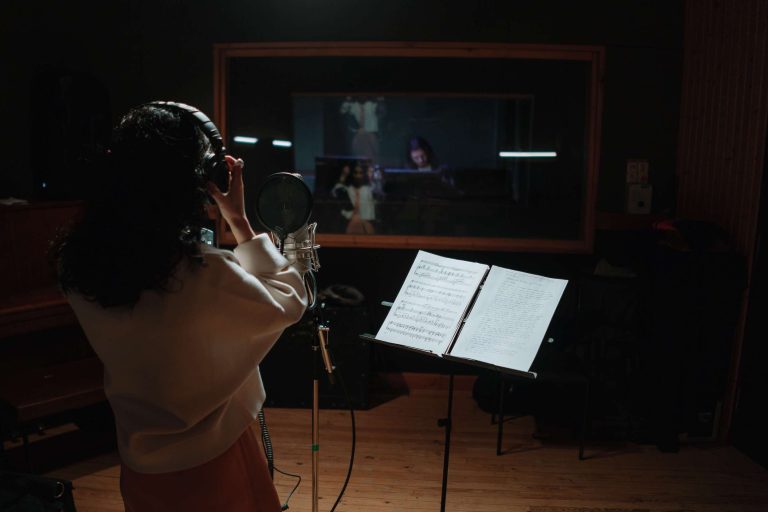
Introduction: A Hub for Aspiring Musicians
Singapore, known for its vibrant arts scene and multicultural identity, is quickly becoming a hub for musical talent. Whether you’re a beginner seeking to learn the basics or a seasoned artist refining your craft, enrolling in a Singapore music studio can be the transformative experience you need. These studios offer more than lessons—they provide structured musical education, creative freedom, and access to professional-level instruments and environments.
Why Choose a Music Studio in Singapore?
Access to World-Class Facilities
Singapore is home to cutting-edge music studios with soundproof rooms, acoustic design, and modern recording technology. Whether it’s digital mixing or classical instrument training, these studios are built to deliver professional experiences.
Diversity of Music Programs
One of the key advantages of joining a Singapore music studio is the diversity of programs. Students can choose from a variety of specializations:
- Piano and keyboard training
- Guitar and bass fundamentals
- Voice modulation and singing techniques
- Drum rhythm and percussion precision
- Digital music production and sound engineering
Each program is typically structured into beginner, intermediate, and advanced levels, catering to a wide spectrum of learners.
What to Expect in a Music Studio Program
Personalized Music Education
Most music studios provide one-on-one sessions that focus on each learner’s strengths, weaknesses, and musical preferences. The goal is not just to teach but to nurture individual talent and confidence.
Performance Opportunities
Music studios in Singapore often host recitals, open mic sessions, or internal showcases, giving students a chance to perform in front of audiences. These opportunities are valuable for building stage confidence and refining public performance skills.
Collaborative Learning Environment
Students benefit from peer interactions in group classes and ensemble practice sessions. These collaborations often lead to friendships, jam sessions, or even the formation of bands, making the learning experience dynamic and engaging.
Types of Music Lessons Offered
Classical Music Training
Those looking to pursue formal certifications, like ABRSM or Trinity, will find many studios that offer theory and practical lessons. This includes sight-reading, scales, and a structured exam-based path.
Contemporary Music Lessons
Modern studios in Singapore cater to pop, rock, jazz, and R&B enthusiasts. These lessons may involve ear training, improvisation techniques, and learning to play by chord charts.
Music Production Courses
Many learners are also keen on behind-the-scenes music creation. Digital audio workstations (DAWs), sound mixing, and recording techniques are taught by instructors who specialize in music technology.
Benefits of Learning at a Singapore Music Studio
Structured Progression
Enrolling in a music studio ensures that students follow a structured curriculum. This organized approach allows for measurable progress over time, unlike informal or self-guided learning.
Access to Professional Equipment
Studios are equipped with everything from acoustic drum kits and electric guitars to MIDI keyboards and audio interfaces. Students gain hands-on experience with the tools used by professionals.
Trained Instructors
Experienced tutors, many of whom have performance or academic backgrounds, help students refine technique, build confidence, and cultivate stage presence.
How to Choose the Right Music Studio
Location and Accessibility
Consider a Singapore music studio close to your residence or school, especially if you’ll be attending regularly. Proximity can make a big difference in consistency and commitment.
Teaching Style and Curriculum
Ask for a trial class to understand the teaching approach. Some learners prefer highly structured lessons, while others thrive in a more relaxed and experimental environment.
Studio Facilities
Visit the studio in person, if possible. Check for clean and well-maintained equipment, spacious classrooms, and soundproofing—these are crucial for a productive learning experience.
Embracing Music at Any Age
One of the unique aspects of Singapore’s music scene is its inclusiveness. Music studios cater not only to children but also to teens, working professionals, and seniors. Whether it’s your first lesson or a return to an old passion, age is no barrier to learning.
FAQs
What is the best age to start learning music?
There is no “perfect” age. Children as young as four can begin with basic rhythm and piano lessons, while adults can start or resume learning at any age.
How often should I attend classes at a music studio?
Most students attend once or twice weekly. However, frequency can vary based on your goals—preparing for an exam, learning for fun, or getting ready for a performance.
Do Singapore music studios offer online lessons?
Yes, many studios now offer hybrid options—both in-person and online—to provide flexibility and convenience for students.
Are music theory lessons included?
In most structured programs, music theory is integrated into instrumental and vocal lessons. However, dedicated theory classes may also be available for exam preparation.
How long does it take to see progress?
With regular practice and attendance, most students notice improvement within 2–3 months. This includes better finger dexterity, rhythm accuracy, and confidence in playing or singing.
Final Thoughts
Joining a Singapore music studio is more than just enrolling in lessons—it’s a journey into creative discovery. With experienced instructors, modern facilities, and diverse programs, students are set up for success in their musical endeavors. Whether you’re pursuing music professionally or learning purely for enjoyment, there’s a place for everyone in Singapore’s growing music education scene.
Table of Contents