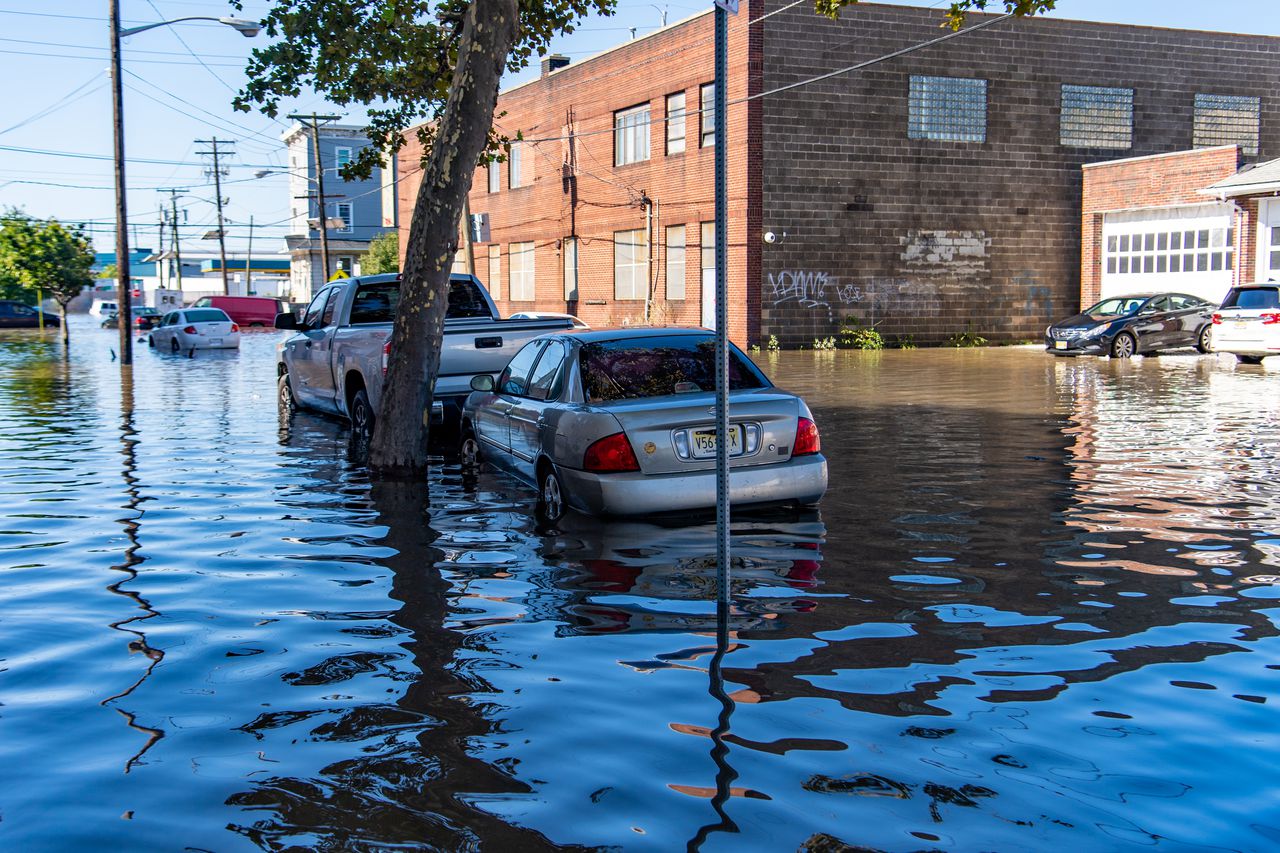
Flash Flood Watch can happen anywhere there is rain. Floods can occur anywhere there is water. You can learn the difference between Flood Watch and Flood Warning, and what you can do for your family and your home to be prepared.
Flood Warnings and Flood Watches
Flood Watch indicates that flooding is possible in the area. Flood Warnings indicate that flooding is possible in the area. Safety measures must be taken to avoid injury and property loss. read also about : Metal of Surgical Instruments
No matter where you live, these steps will help protect your property.
- Make a Survival Pack.
- Use waterproofing products to seal basement walls
- Your water heater, electric panel and furnace can be raised.
- To prevent floodwaters entering your home, build barriers.
- Talk to your agent about insurance and whether you require additional coverage.
These steps will help you protect your home if a flood is imminent.
- Disconnect electric appliances and turn off utilities. If you are in water or wet, don’t touch any electric equipment.
- Transfer important items to an upstairs level, and outdoor furniture to an indoor location.
- Avoid parking your car near bodies of water.
Safety is your top priority if a flood is already occurring.
- If you are advised to evacuate immediately.
- weather alerts and information, listen to the television or radio.
- Move to higher ground.
- Do not cross moving water.
- Don’t drown(r) if you happen to be driving on a flood road.
- If water is rising around your vehicle while you are driving, stop and get out of the way. Keep your vehicle if it is stuck in moving water. You can seek refuge on your roof if water is rising within the vehicle.
Floodwaters are often underestimated by people. Six inches of moving water can cause you to fall.
For more information on floods, please visit Ready.gov.
The usa red cross flood safety checklist.
After a Flood
These things in mind:
- Listen to the local alerts if you’re at home for advice and information from officials.
- You should not return to your house if you were evacuated.
- If you are asked by emergency personnel for assistance, avoid damaged areas.
- Avoid moving water or standing water. Floodwaters can be contaminated with gasoline, oil, or raw sewage. Water may still be charged by underground or fallen power lines.
- Avoid any structure that is surrounded by floodwaters.
- You should not use any generators or other gasoline-powered devices inside your home.
To help you with the cleanup, save or print the American Red Cross Restoring Your Flooded House.
After a severe storm has devastated a community, disaster relief assistance can be provided. Find out more information about disaster relief assistance at our Weather Resources Section.
Table of Contents