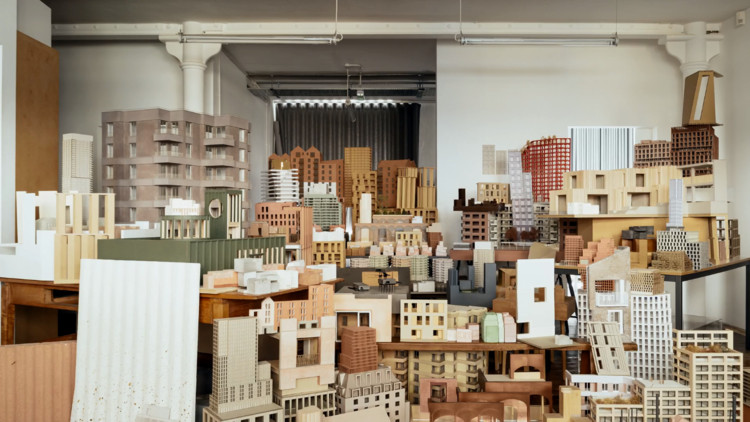
Architectural model making Stuttgart is poised at the forefront of innovation, continually embracing new technologies and methodologies to enhance the precision, efficiency, and sustainability of architectural models. As Stuttgart continues to evolve as a hub of architectural excellence, several emerging trends and innovations are shaping the future of Architekturmodellbau Stuttgart.
Advancements in Digital Modeling
1. Virtual Reality (VR) and Augmented Reality (AR):
Architectural model making Stuttgart is exploring the integration of VR and AR technologies to create immersive architectural experiences. VR allows stakeholders to explore virtual models in real-time, while AR overlays digital information onto physical models, enhancing understanding and interaction.
2. Parametric Design and Generative Algorithms:
Parametric design tools and generative algorithms are revolutionizing architectural model making Stuttgart by enabling architects to create complex, algorithmically-driven designs. These tools optimize form-finding processes and facilitate the rapid iteration of design variations.
Sustainable Practices and Materials
1. Biodegradable and Recyclable Materials:
Sustainability remains a cornerstone of architectural model making Stuttgart. Model makers are increasingly using biodegradable and recyclable materials such as bio-plastics and eco-friendly resins, reducing environmental impact without compromising design quality.
2. Energy-Efficient Production Techniques:
Stuttgart is pioneering energy-efficient production techniques in architectural model making Stuttgart. This includes the use of solar-powered workshops, additive manufacturing with minimal material waste, and smart manufacturing processes that optimize energy consumption.
Collaboration and Interdisciplinary Approaches
1. Cross-Disciplinary Collaboration:
Architects, engineers, artists, and technologists collaborate in architectural model making Stuttgart to push boundaries and explore innovative design solutions. This interdisciplinary approach fosters creativity, cross-pollination of ideas, and the integration of diverse perspectives in architectural model making.
2. Digital Fabrication Labs and Maker Spaces:
Digital fabrication labs and maker spaces are emerging as incubators for innovation in architectural model making Stuttgart. These spaces provide access to advanced tools, prototyping equipment, and collaborative environments where ideas can be tested and refined.
Global Influence and Cultural Impact
1. Showcasing Stuttgart’s Architectural Excellence:
Architectural model making Stuttgart continues to showcase the city’s architectural prowess on a global stage. Participating in international exhibitions and collaborations with global firms elevate Stuttgart’s reputation as a center of architectural innovation and design excellence.
2. Educational Initiatives and Knowledge Sharing:
Educational institutions in Stuttgart play a vital role in nurturing future leaders in architectural model making Stuttgart. Workshops, seminars, and academic programs promote skill development, encourage research, and foster a culture of continuous learning within the architectural community.
Conclusion
The future of architectural model making Stuttgart is characterized by innovation, sustainability, interdisciplinary collaboration, and global influence. As technology continues to advance and societal demands evolve, Stuttgart remains committed to pushing the boundaries of architectural representation and design excellence through cutting-edge model making practices.
Table of Contents