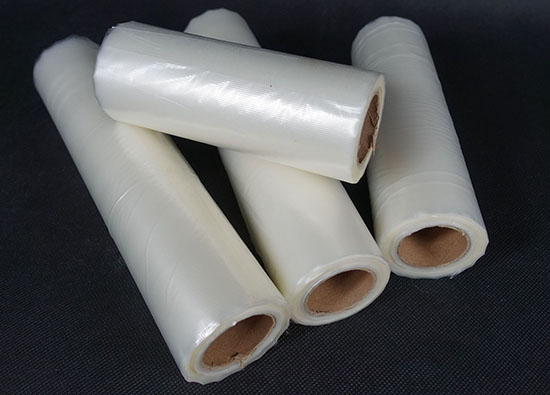
Water soluble film has become an essential material across multiple industries, including detergents, pharmaceuticals, agriculture, and chemicals, due to its ability to dissolve completely in water while maintaining structural integrity during handling and storage. Its unique combination of mechanical strength, flexibility, and solubility has enabled innovative applications such as single-dose detergent pods, controlled-release agricultural chemicals, and precise pharmaceutical dosing. As sustainability, efficiency, and consumer convenience continue to drive technological advancement, research and future trends in water soluble film technology are poised to transform its capabilities even further.
The core material of most water soluble films is polyvinyl alcohol (PVA), a polymer known for its strength, water solubility, and biodegradability under certain conditions. High-quality films are often formulated with plasticizers, stabilizers, and surfactants to optimize dissolution rates, mechanical properties, and durability. Leading manufacturers, such as water soluble film, are investing in research to improve the performance of films for both industrial and consumer applications. This research focuses on enhancing solubility under diverse conditions, increasing mechanical resilience, and expanding compatibility with various chemical formulations, all while maintaining environmental sustainability.
Innovations in Film Composition
One of the primary areas of future development is the chemical composition of water soluble films. Researchers are exploring new PVA blends and copolymers that allow for faster or more controlled dissolution, improved resistance to moisture during storage, and enhanced tensile strength. By modifying polymer structures or incorporating functional additives, manufacturers can produce films that meet specific industry requirements, such as rapid dissolution for detergents or slow-release properties for agricultural chemicals.
Additionally, incorporating biodegradable or naturally derived polymers alongside PVA is a growing area of interest. Such hybrid films could offer improved environmental performance without compromising solubility or durability. This innovation is especially important as regulatory frameworks around plastic reduction and sustainability continue to tighten globally.
Controlled and Targeted Release
Future trends in water soluble film technology include advanced controlled-release systems. By engineering films to dissolve at specific rates under certain conditions, manufacturers can create products that release active ingredients more efficiently and predictably. In agriculture, for example, fertilizers or pesticides encapsulated in tailored films can dissolve gradually over time, providing consistent nutrient or chemical delivery while minimizing environmental runoff.
In pharmaceuticals, controlled-release water soluble films enable precise drug delivery, maintaining therapeutic levels over extended periods without frequent dosing. This approach not only improves patient compliance but also reduces the risk of side effects associated with fluctuating drug concentrations. Researchers are actively studying multi-layered and multi-component films that allow for sequential or delayed dissolution, opening new possibilities in medical and industrial applications.
Integration with Smart Technologies
The integration of water soluble films with smart technologies represents another emerging trend. Researchers are investigating films with embedded sensors, color indicators, or pH-sensitive materials that can provide visual feedback about dissolution, chemical activity, or environmental conditions. Such innovations could improve quality control, safety, and usability across industries.
For example, a smart water soluble film could indicate when a detergent pod has fully dissolved in a washing machine or alert a user if a chemical capsule has not dissolved completely. In pharmaceutical applications, similar innovations could enhance dosage accuracy and ensure that active ingredients are released at the right time and place.
Environmental Sustainability and Biodegradability
Sustainability remains a major driver of innovation in water soluble film research. While PVA-based films already offer significant environmental benefits over traditional plastics, ongoing research aims to improve biodegradability under various conditions, including natural water systems and soil environments. Enhanced biodegradability ensures that films do not contribute to microplastic pollution and align with global sustainability goals.
Researchers are also exploring formulations that allow water soluble films to dissolve efficiently in both cold and hard water, reducing the need for energy-intensive heating and making the films more suitable for diverse environmental conditions.
Industrial and Consumer Applications Expansion
Future trends indicate that water soluble films will continue to expand across industries. In the household sector, films will likely see increased use in laundry, dishwashing, and personal care products. In industrial and agricultural applications, films will provide safer, pre-measured chemical dosing, minimize waste, and improve worker safety. Pharmaceuticals will benefit from films that enable rapid or controlled drug delivery, including oral thin films and single-dose capsules.
Emerging applications may also include environmental remediation, specialty coatings, and niche packaging solutions where precise, contamination-free, and convenient delivery is required.
Conclusion
The future of water soluble film technology is defined by innovations in polymer composition, controlled-release systems, smart integration, and enhanced environmental sustainability. Research is focused on improving solubility, mechanical strength, and biodegradability while expanding applications across household, industrial, agricultural, and pharmaceutical sectors. With high-quality products from manufacturers such as water soluble film providers, industries can meet the growing demand for convenient, safe, and eco-friendly solutions. As technology advances, water soluble films are poised to play a transformative role in sustainable packaging, precise chemical dosing, and innovative drug delivery, shaping the next generation of versatile and environmentally responsible materials.
Table of Contents