



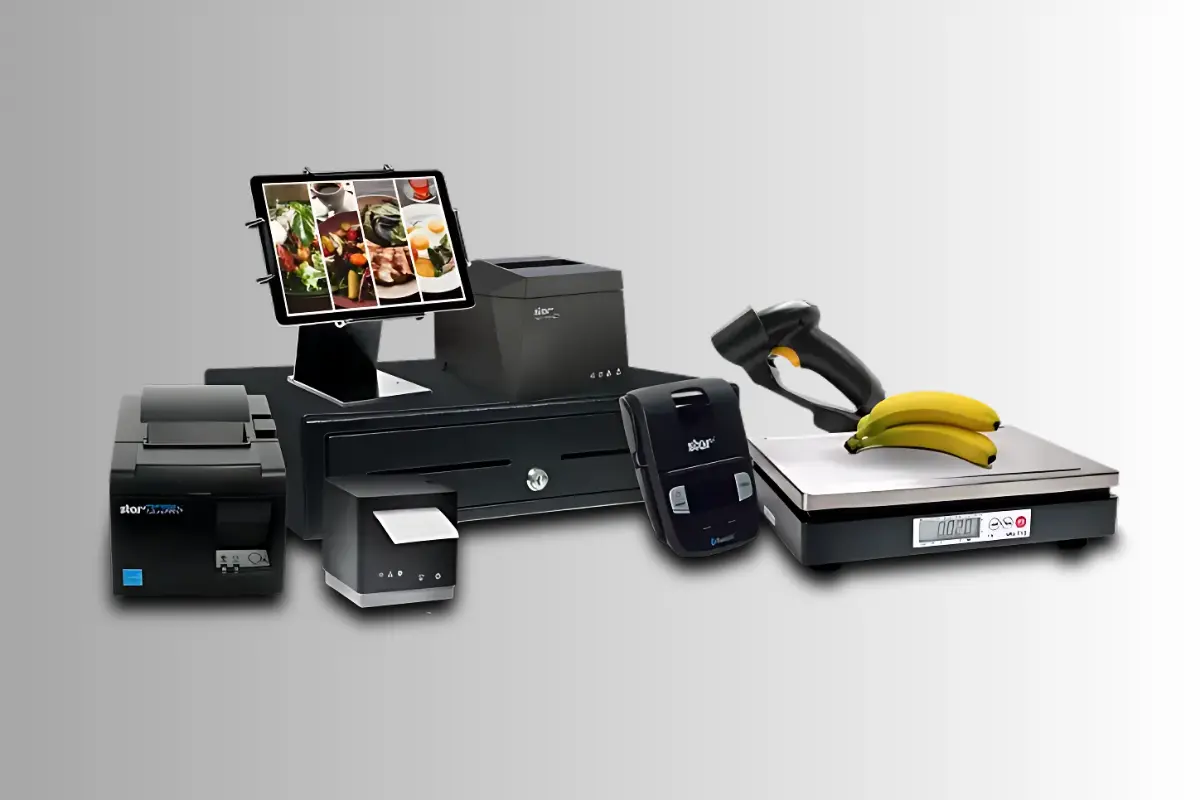
Point-of-sale (POS) systems are continually evolving, driven by advances in hardware, software, and consumer expectations. While POS software plays a central role in managing transactions and data, POS peripherals are equally critical in enhancing functionality, improving operational efficiency, and creating a seamless customer experience. As technology advances, the peripherals connected to POS systems are becoming more sophisticated, intelligent, and adaptable, shaping the future of retail and hospitality operations.
The Growing Role of Smart POS Peripherals
Modern POS peripherals are no longer simple input-output devices; they are becoming smarter and more interconnected. Devices such as barcode scanners, payment terminals, receipt printers, and customer-facing displays now feature advanced capabilities like wireless connectivity, cloud integration, and AI-driven analytics.
Professional POS Peripherals providers are leading this transformation by offering hardware that can seamlessly integrate with software platforms, track inventory in real time, and provide insights into consumer behavior. These innovations enable businesses to not only process transactions but also make informed operational decisions.
Wireless and Mobile-First Devices
One of the most significant trends in POS peripherals technology is the shift toward wireless and mobile-first devices. Wireless barcode scanners, receipt printers, and payment terminals provide greater flexibility for staff, allowing them to assist customers directly on the sales floor or at tables in restaurants.
Mobile POS peripherals, including handheld terminals and tablet-based solutions, are designed to work seamlessly in a variety of environments, from pop-up stores to large-scale retail chains. These devices reduce clutter, eliminate restrictive cabling, and enhance the overall mobility of point-of-sale operations.
Enhanced Security Features
Security is a growing priority in POS technology, particularly as cyber threats and payment fraud continue to evolve. POS peripherals are incorporating advanced encryption, biometric authentication, and tokenization to protect sensitive transaction data.
Payment terminals now support EMV chip cards, contactless payments, and digital wallets with robust security protocols. Additionally, peripherals like cash drawers and customer-facing displays are being designed with secure access controls and monitoring features, helping businesses safeguard both assets and customer information.
Integration with Cloud and IoT
Cloud integration and Internet of Things (IoT) connectivity are transforming how POS peripherals operate. Devices can now communicate in real time with cloud-based software to provide accurate inventory tracking, automated reporting, and predictive analytics.
IoT-enabled peripherals can also interact with other store systems, such as digital signage, smart shelves, and automated checkout stations. This interconnected ecosystem allows for improved operational efficiency, data-driven decision-making, and a more seamless customer experience.
Focus on Durability and Sustainability
As businesses seek to reduce operational costs and environmental impact, manufacturers are designing POS peripherals with durability and sustainability in mind. Devices are increasingly built with robust materials to withstand heavy usage, while energy-efficient components and recyclable materials contribute to environmentally responsible operations.
Durable peripherals reduce the frequency of replacements and maintenance, providing long-term cost savings. Sustainable designs not only benefit the environment but also enhance the brand image of businesses that prioritize eco-friendly practices.
Customization and Modular Designs
Another key trend in POS peripherals is the move toward customization and modularity. Businesses can select peripherals that meet specific operational requirements, whether it’s compact receipt printers for small counters, industrial-grade barcode scanners for warehouses, or multi-functional payment terminals for busy retail environments.
Modular designs allow businesses to upgrade or replace individual components without overhauling the entire POS system. This flexibility ensures that investments in hardware remain relevant as technology and business needs evolve.
Artificial Intelligence and Data Analytics
Artificial intelligence (AI) is beginning to influence POS peripherals by enabling advanced analytics and automation. Smart peripherals can track customer purchase patterns, detect fraudulent activity, and optimize inventory replenishment.
For example, AI-enabled scanners and printers can prioritize frequently sold items or alert staff to low-stock situations in real time. Integrating AI into peripherals enhances decision-making, reduces errors, and improves overall operational efficiency.
Conclusion
The future of POS Peripherals technology is marked by mobility, intelligence, security, and sustainability. Wireless devices, cloud integration, AI-driven analytics, and customizable designs are transforming how businesses interact with customers and manage operations.
Investing in modern, forward-looking peripherals ensures that retailers and hospitality providers can offer faster transactions, more accurate inventory management, and a superior customer experience. By embracing these trends, businesses can stay ahead in a competitive market while preparing for continued technological innovation in the point-of-sale landscape.
Table of Contents

