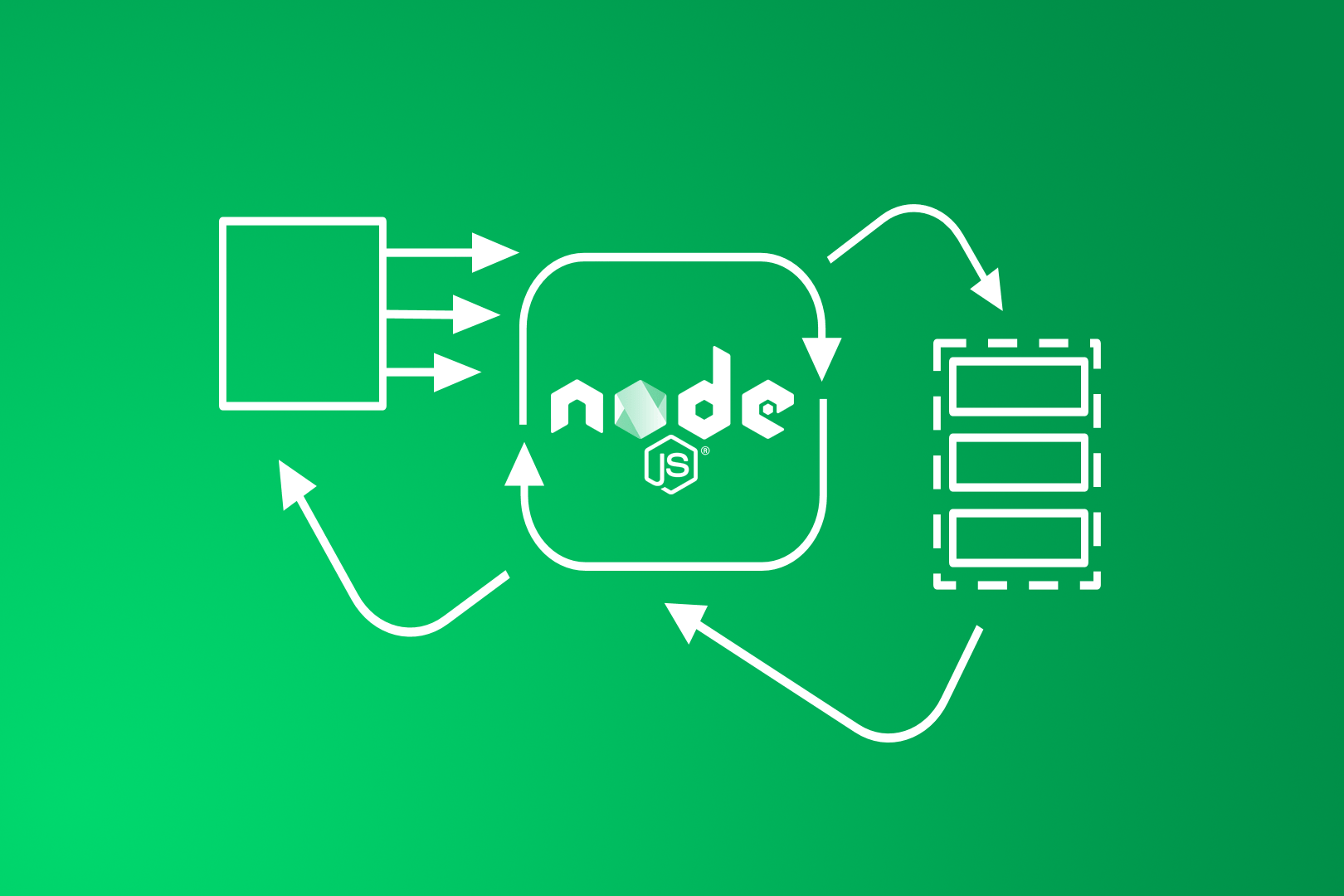
Building robust and efficient full-stack applications requires a deep understanding of concurrency to manage multiple client requests effectively. Node.js, with its event-driven architecture, provides a strong foundation for handling concurrency. However, as applications scale, utilizing Node.js clustering becomes crucial for achieving optimal performance. This guide delves into handling concurrency in full-stack applications using Node.js clustering and how it fits into the modern development landscape.
For those interested in learning scalable architectures, full stack developer classes often include modules that cover advanced Node.js features like clustering and concurrency management, helping developers build high-performing applications.
The Role of Concurrency in Full-Stack Applications
Concurrency is the backbone of modern web applications. In a full-stack application, the backend is responsible for handling multiple simultaneous requests from users, which often involve fetching data, processing logic, and responding efficiently. Without proper concurrency management, applications can experience performance bottlenecks, leading to delays, timeouts, or even crashes during high traffic.
Node.js, known for its non-blocking architecture, handles concurrency exceptionally well for I/O-bound tasks. However, its single-threaded model can become a limitation for CPU-bound tasks or large-scale applications. To overcome this, Node.js clustering allows multiple processes to run in parallel, sharing the workload and improving performance.
What Is Node.js Clustering?
Node.js clustering is a technique that enables developers to utilize multiple CPU cores in a system by spawning multiple worker processes. Each worker runs independently but shares the same server port, allowing the application to handle more requests concurrently. This approach ensures efficient resource utilization, fault tolerance, and scalability.
For instance, a server running on an eight-core CPU can leverage clustering to create eight separate processes, each managing a portion of incoming requests. This significantly improves throughput compared to a single-threaded server.
Understanding how clustering works and when to use it is an essential part of any full stack developer course in Bangalore, where students gain practical knowledge of scaling backend systems.
Benefits of Node.js Clustering
Node.js clustering offers several advantages, making it a valuable strategy for full-stack developers:
- Increased Performance: By distributing tasks across multiple cores, clustering enables applications to handle higher volumes of traffic without compromising response times.
- Fault Tolerance: If one worker process crashes, others continue functioning seamlessly, ensuring minimal disruption to users.
- Scalability: Clustering provides a scalable architecture that can grow with application demands, making it suitable for enterprise-grade applications.
- Resource Optimization: Applications can utilize available system resources more effectively, ensuring balanced CPU and memory usage.
Challenges in Implementing Clustering
While clustering brings many advantages, it also introduces challenges that developers need to address:
1. Shared State Management
In clustered applications, each worker process operates independently, making shared state management (e.g., user sessions or cache) more complex. Without a centralized state management solution, inconsistencies can arise when multiple processes handle related data.
2. Load Balancing
Distributing incoming requests evenly across worker processes is critical. While Node.js provides basic load balancing by default, advanced use cases often require external tools like NGINX or load balancers provided by cloud platforms.
3. Increased Resource Usage
Spawning multiple worker processes increases the overall memory and CPU usage of the application. Proper monitoring and resource allocation are crucial to avoid performance degradation.
4. Monitoring and Maintenance
Managing multiple processes requires robust monitoring tools to track performance, detect bottlenecks, and handle crashes effectively.
Best Practices for Using Node.js Clustering
To maximize the benefits of clustering, developers should follow these best practices:
- Design for Statelessness
A stateless architecture simplifies the management of clustered applications. By using external services like Redis for session storage or caching, developers can avoid complications related to shared states across workers.
- Optimize Load Balancing
Although Node.js provides basic clustering, integrating third-party load balancers like NGINX ensures more efficient traffic distribution and better handling of edge cases.
- Monitor Performance
Using tools such as PM2, New Relic, or built-in Node.js diagnostics, developers can monitor worker processes, track memory usage, and identify performance bottlenecks.
- Automate Worker Restarts
Set up automated mechanisms to restart worker processes if they crash. This ensures high availability and fault tolerance without manual intervention.
These techniques are often a focus in advanced modules of full stack developer classes, where developers learn to apply them in real-world scenarios.
Use Cases for Node.js Clustering
Node.js clustering is particularly beneficial for applications requiring high concurrency and reliability. Common use cases include:
- E-commerce Platforms
E-commerce websites often face heavy traffic, especially during sales events. Clustering ensures these platforms can handle a large volume of concurrent users browsing products, adding items to their cart, and completing transactions without delays.
- Real-Time Applications
Applications like chat systems, gaming platforms, and stock market trackers rely on real-time data processing. Clustering helps these systems maintain low latency and high availability, even during traffic spikes.
Professionals looking to specialize in such applications can benefit from getting into a full stack developer course in Bangalore, which offers hands-on projects to implement clustering in real-world scenarios.
Node.js Clustering vs. Alternatives
While Node.js clustering is a powerful tool, it’s not the only solution for handling concurrency. Other approaches include:
- Horizontal Scaling: Deploying multiple server instances and distributing traffic using a load balancer.
- Serverless Architecture: Using serverless platforms like AWS Lambda to handle requests dynamically without managing server processes.
- Microservices: Breaking down applications into smaller, independently scalable services to distribute the workload.
Conclusion
Handling concurrency effectively is critical for building scalable full-stack applications. Node.js clustering offers a practical solution to utilize system resources efficiently, enhance performance, and ensure fault tolerance. By implementing clustering and following best practices, developers can create applications capable of handling high traffic with ease.
For developers seeking to master such advanced techniques, full stack developer classes provide a structured learning environment to build and deploy scalable applications. Programs like a full stack developer course in Bangalore offer in-depth training on Node.js clustering and other backend technologies, empowering professionals to excel in the competitive field of software development.
Business Name: ExcelR – Full Stack Developer And Business Analyst Course in Bangalore
Address: 10, 3rd floor, Safeway Plaza, 27th Main Rd, Old Madiwala, Jay Bheema Nagar, 1st Stage, BTM 1st Stage, Bengaluru, Karnataka 560068
Phone: 7353006061
Business Email: enquiry@excelr.com
Table of Contents