
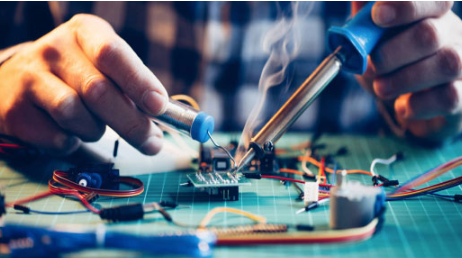
The Internet of Things (IoT) has transformed how people interact with products, environments, and digital ecosystems. From smart homes and wearable devices to industrial automation and healthcare monitoring systems, IoT solutions are everywhere. However, building reliable and scalable IoT products requires a deep understanding of hardware, software, cloud platforms, and connectivity. This is where an IoT development company becomes essential.
An IoT development company provides end-to-end expertise to help businesses conceptualize, design, engineer, and deploy smart connected solutions. Whether you’re a startup developing a new consumer device or an enterprise optimizing industrial workflows, partnering with experienced IoT experts helps reduce risk, accelerate development, and ensure long-term scalability.
This comprehensive guide explores what an IoT development company does, why businesses depend on them, and how the complete development process works from start to finish.
What Is an IoT Development Company?
An IoT development company specializes in designing and building connected devices and systems that integrate hardware, software, and cloud technologies. Through sensors, embedded software, and wireless communication, IoT solutions collect and exchange data in real time.
A professional IoT development company typically offers:
- IoT strategy & consulting
- Hardware design and prototyping
- Firmware and embedded system development
- Mobile & web application development
- Cloud platform setup and integration
- API and third-party software integration
- Connectivity solutions (Wi-Fi, BLE, LoRa, NB-IoT, etc.)
- Data analytics and dashboards
- Cybersecurity and device authentication
- Ongoing maintenance, monitoring, and updates
They provide all the tools and expertise needed to deliver secure, scalable, and user-friendly IoT solutions.
Why Businesses Need an IoT Development Company
1. Access to Multidisciplinary Expertise
IoT development is complex. It requires knowledge in:
- Electronics engineering
- Firmware development
- Wireless communication
- Cloud computing
- Software/app development
- Data analytics
- Cybersecurity
Few companies have all these skills in-house, making an IoT development company the ideal partner.
2. Faster Product Development
Experienced IoT engineers understand the challenges and know how to avoid common mistakes. This accelerates:
- Prototyping
- Hardware refinement
- Cloud integration
- Firmware stability
- Deployment and scaling
Speed is a competitive advantage in rapidly evolving tech markets.
3. Lower Risk and Better Reliability
IoT devices must be secure, efficient, and dependable. Professional IoT development companies follow industry best practices to prevent:
- Data breaches
- Device failures
- Unreliable connections
- Scalability issues
- Hardware malfunctions
This reduces long-term operational and maintenance risks.
4. Cost Efficiency and Smart Resource Allocation
Developing IoT systems internally is expensive due to:
- Hiring multidisciplinary teams
- Purchasing prototyping tools
- Investing in cloud infrastructure
- Ongoing maintenance costs
An IoT development company reduces these expenses with ready-made tools and industry resources.
5. Future Scalability and Support
IoT products evolve constantly. A professional company ensures:
- Easy scalability
- Smooth cloud integration
- Compatibility with new technologies
- Continuous monitoring and updates
This allows businesses to grow confidently without technical barriers.
The Complete IoT Development Process Followed by an IoT Development Company
1. Discovery and Requirements Gathering
The project begins with strategic discussions to define:
- User needs
- Key features
- Technical requirements
- Budget and timeline
- Use cases
- Connectivity options
A strong foundation ensures the final product solves the right problem.
2. IoT Architecture Planning
The IoT development company designs a complete ecosystem, including:
- Device hardware
- Embedded firmware
- Network connection
- Cloud infrastructure
- Data pipelines
- Mobile/web interfaces
A well-planned architecture ensures high performance and reliability.
3. Hardware Development & Prototyping
Hardware engineers develop:
- Sensor configurations
- PCB board designs
- Component selection
- Power optimization
- Enclosure and mechanical design
Prototypes verify functionality before scaling to full production.
4. Firmware & Embedded Software Development
Firmware acts as the brain of the IoT device. Engineers build:
- Microcontroller logic
- Communication protocols
- Sensor data processing
- Power management
- Security features
Reliable firmware ensures stable device performance.
5. Software Development (Mobile, Web, Dashboard)
IoT systems often include apps or dashboards for monitoring and control. Developers create:
- User-friendly mobile apps
- Web portals
- Real-time dashboards
- Device management tools
- Notifications and analytics
This connects the user seamlessly with the IoT device.
6. Cloud Platform Integration
An IoT development company sets up cloud infrastructure using:
- AWS IoT
- Google Cloud IoT
- Microsoft Azure IoT
- Private cloud solutions
Cloud platforms handle:
- Device authentication
- Data storage
- Real-time analytics
- Automatic updates
- Remote control
Cloud integration is essential for modern IoT solutions.
7. Testing, Security & Quality Assurance
Comprehensive testing includes:
- Connectivity reliability
- Hardware durability
- Firmware stability
- App functionality
- Cloud performance
- Cybersecurity checks
- Compliance testing (FCC, CE, UL, etc.)
The goal is a safe, stable, and secure IoT ecosystem.
8. Manufacturing & Deployment Support
The IoT development company helps with:
- Manufacturing setup
- Assembly instructions
- Component sourcing
- Quality control
- Pilot production
- Full-scale deployment
This ensures the product moves smoothly from prototype to mass production.
Industries That Benefit from an IoT Development Company
- Smart home & automation
- Connected healthcare
- Industrial IoT (IIoT)
- Agriculture & smart farming
- Logistics & fleet management
- Retail & supply chain monitoring
- Wearable technology
- Energy management
Almost every industry can improve efficiency, safety, and user experience with IoT.
FAQ: IoT Development Company
1. How long does it take to develop an IoT product?
Typically 6–18 months depending on complexity, hardware requirements, and testing needs.
2. How much does it cost to hire an IoT development company?
Costs range from $20,000 for simple devices to $250,000+ for advanced IoT ecosystems.
3. Can an IoT company help with both hardware and software?
Yes. Most IoT development companies offer end-to-end services including hardware design, firmware, apps, and cloud integration.
4. Do IoT solutions require cloud platforms?
Most do, especially if real-time monitoring, data storage, or remote control is required.
5. Is IoT development safe and secure?
With proper encryption, authentication, and testing, IoT solutions can be extremely secure.
6. Do startups work with IoT development companies?
Absolutely. Many IoT firms specialize in helping startups turn ideas into prototypes and market-ready products.
Disclaimer
This article is for informational and educational purposes only. It does not constitute engineering, cybersecurity, financial, or legal advice. Businesses should consult qualified developers, compliance experts, and legal professionals before launching any IoT development company or service.
Table of Contents