



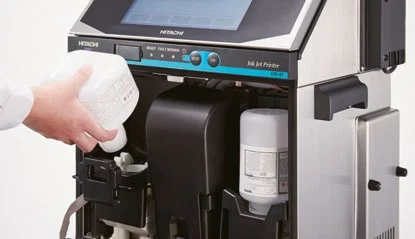
Continuous Inkjet (CIJ) printers are widely used in manufacturing and packaging industries for printing variable information such as batch numbers, expiration dates, serial numbers, and barcodes on products. These printers are highly valued for their speed, precision, and non-contact printing capabilities. Understanding how CIJ inkjet printers are manufactured provides insight into the technology, quality standards, and processes involved in producing reliable industrial printing equipment.
Research and Design Phase
The manufacturing process begins with research and design. Engineers and designers work to develop CIJ printers that are efficient, durable, and compatible with a wide range of materials. This phase involves extensive prototyping, testing different printhead designs, and developing software that controls ink flow, droplet formation, and print precision. Many businesses rely on established providers, such as reputable CIJ Inkjet Printer Manufacturers, to ensure that the printers are built with the latest technology and meet industrial standards. Design considerations also include ease of maintenance, user-friendly interfaces, and compatibility with high-speed production lines.
Component Sourcing and Quality Control
Once the design is finalized, manufacturers source high-quality components required for building CIJ printers. These components include precision nozzles, ink delivery systems, pumps, electronics, and control boards. Quality control is a critical step, as even minor defects in components can affect print accuracy and durability. Reputable manufacturers test all parts before assembly to ensure they meet strict standards for reliability and performance. Components such as printheads and ink pumps are often sourced from specialized suppliers who meet rigorous industrial specifications.
Assembly of Printer Components
The assembly stage involves integrating all individual components into a complete CIJ printer. Skilled technicians carefully install the printhead, ink system, control electronics, and power supply. This stage requires precision, as proper alignment of the printhead and correct calibration of the ink delivery system are essential for producing accurate, high-resolution prints. Automated assembly lines may be used for certain components, but skilled manual assembly is often required for critical parts to ensure quality and reliability.
Integration of Software and Control Systems
After physical assembly, the printer’s software and control systems are installed. Modern CIJ printers rely on complex software to manage ink droplet size, printing speed, and synchronization with production lines. Manufacturers configure the firmware to control precise droplet ejection, monitor printer health, and provide diagnostic functions. Testing and calibration ensure that the printer operates efficiently under various conditions and maintains consistent print quality across different substrates.
Ink Formulation and Filling Systems
CIJ printers rely on specially formulated inks that must be compatible with the printer’s delivery system and the materials being printed on. Manufacturers develop or source inks that provide quick drying, durability, and resistance to smudging. The ink is integrated into the printer through sealed cartridges or reservoirs connected to the pump system. During manufacturing, printers undergo tests to confirm proper ink flow, droplet formation, and adhesion to sample substrates. This ensures the printer produces high-quality, legible markings right out of the box.
Testing and Calibration
Before leaving the factory, every CIJ printer undergoes extensive testing and calibration. Printers are tested for printing accuracy, consistency, speed, and reliability. Quality assurance teams simulate real-world production conditions to identify potential issues and make necessary adjustments. This step ensures that the printer can operate effectively on high-speed production lines and handle variable data printing without errors. Calibration may involve fine-tuning nozzle alignment, print resolution, and ink flow rates.
Packaging and Distribution
Once testing and calibration are complete, the printers are carefully packaged to protect sensitive components during transit. Packaging typically includes shock-resistant materials, protective covers for printheads, and clear instructions for setup and maintenance. From the manufacturer, printers are shipped to distributors, suppliers, and directly to industrial clients. Manufacturers may also provide initial training, installation support, and technical documentation to ensure smooth integration into production lines.
Conclusion
The manufacturing process of CIJ inkjet printers involves meticulous research, design, component sourcing, assembly, software integration, ink formulation, testing, and calibration. Each step is designed to ensure the printer meets high standards for performance, reliability, and durability. By relying on trusted CIJ Inkjet Printer Manufacturers, businesses can obtain printers that deliver precise markings, maintain consistent print quality, and operate efficiently on demanding production lines. Understanding this process highlights the complexity and technology behind these essential industrial tools.
Table of Contents

