
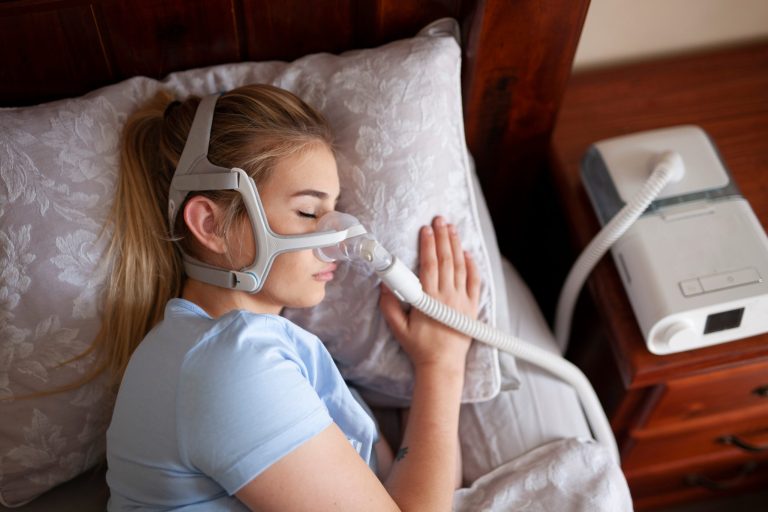
Continuous Positive Airway Pressure (CPAP) therapy is a highly effective treatment for Obstructive Sleep Apnoea. This condition causes repeated pauses in breathing during sleep, leading to poor sleep quality and various health issues. CPAP therapy involves using a machine to deliver a steady stream of air through a mask, keeping the airway open. This simple yet powerful approach can significantly improve sleep quality, reduce daytime fatigue, and lower the risk of serious health problems like heart disease and stroke. This blog will explore how CPAP therapy works, its benefits, different types of CPAP masks, and more.
Understanding CPAP Therapy
CPAP therapy is designed to treat Obstructive Sleep Apnoea by maintaining open airways during sleep. The CPAP machine consists of a motor, a hose, and a mask. The motor generates a continuous stream of air, which travels through the hose and into the mask worn by the patient. This airflow creates enough pressure to keep the airway from collapsing, ensuring uninterrupted breathing throughout the night. CPAP therapy helps users achieve restful sleep, which is crucial for overall health and well-being, by preventing the airway obstruction that characterizes Obstructive Sleep Apnoea. Regular use of CPAP therapy can significantly improve daily functioning and quality of life.
Benefits of CPAP Therapy
CPAP therapy offers numerous benefits for individuals with Obstructive Sleep Apnea. One of the most significant advantages is improved sleep quality, as the therapy prevents the interruptions in breathing that cause frequent awakenings. This leads to better rest and increased energy levels during the day. Additionally, CPAP therapy helps reduce the risk of serious health complications associated with Sleep Apnea, such as high blood pressure, heart disease, and stroke. CPAP therapy supports overall cardiovascular health by ensuring a consistent supply of oxygen during sleep. Many users also report improved mood and cognitive function and decreased symptoms like snoring and daytime sleepiness.
How CPAP Machines Work
CPAP machines deliver a continuous airflow through a mask, which the user wears while sleeping. This air pressure is calibrated to be just enough to keep the upper airway passages open, preventing the collapse that leads to Obstructive Sleep Apnea. The machine is typically set to a specific pressure based on the severity of the user’s condition, as determined by a sleep study. Modern CPAP machines are designed to be user-friendly, with features like ramp settings that gradually increase air pressure, heated humidifiers to reduce dryness, and quiet motors for minimal disturbance. Proper use and maintenance of the CPAP machine are crucial for its effectiveness.
Types of CPAP Masks
There are various types of CPAP masks to suit different preferences and needs. Nasal masks cover the nose and are ideal for users who breathe primarily through their nose during sleep. Full-face masks cover the nose and mouth, making them suitable for those who breathe through their mouth or have nasal obstructions. Nasal pillow masks are a minimalist option that sits at the entrance of the nostrils, providing a less obtrusive feel. The choice of mask depends on factors like comfort, fit, and the user’s breathing patterns. A proper fit is essential to prevent air leaks and ensure the effectiveness of CPAP therapy.
Getting Started with CPAP Therapy
Starting CPAP therapy begins with obtaining an Obstructive Sleep Apnea Diagnosis. This usually involves undergoing a sleep study at a sleep clinic or home to monitor your breathing patterns and identify any disruptions. Based on the results, a healthcare provider will prescribe a CPAP machine and help you choose the appropriate mask. It’s important to receive proper training on how to use the machine and mask and guidance on adjusting the settings for optimal comfort and effectiveness. Regular follow-ups with your healthcare provider are crucial to monitor your progress and make any necessary adjustments to your therapy.
Adjusting to CPAP Therapy
Adjusting to CPAP therapy can take time, as it involves incorporating a new routine into your nightly sleep habits. Initially, some users may find wearing a mask and the continuous airflow uncomfortable. However, most people adapt within a few weeks. To ease the adjustment process, using the machine consistently every night, even during naps, is important. Gradually increasing the time spent using the CPAP machine each night can also help. Regularly cleaning the mask and machine, using a humidifier to prevent dryness, and ensuring a proper fit can enhance comfort and make the transition smoother.
CPAP Therapy for Children
Sleep Apnoea in Children can be effectively managed with CPAP therapy. Pediatric CPAP machines and masks are designed to fit children’s smaller faces and provide the appropriate air pressure. Treating Sleep Apnoea in Children is vital, as the condition can affect their growth, behavior, and academic performance. Pediatric CPAP therapy requires careful monitoring and adjustment to ensure the therapy is both comfortable and effective. Parents play a crucial role in helping their children adjust to the therapy by providing support and encouragement. Regular follow-ups with a pediatric sleep specialist are essential to monitor progress and make necessary adjustments.
Conclusion
CPAP therapy is a highly effective treatment for Obstructive Sleep Apnea. If you suspect you have Sleep Apnea, seek an Obstructive Sleep Apnea Diagnosis and explore CPAP therapy as a potential solution. CPAP therapy can significantly enhance your overall well-being by improving sleep quality and reducing the risk of serious health problems. For more information on Sleep Apnoea in Children, Sleep Apnea Treatment, or Sleep Apnea Surgery Cost UK, visit ENT London. Taking the first step towards treatment can make a profound difference in your life, providing better sleep and health. Don’t hesitate to contact experts for the best care and support in managing your Sleep Apnoea.
Table of Contents