



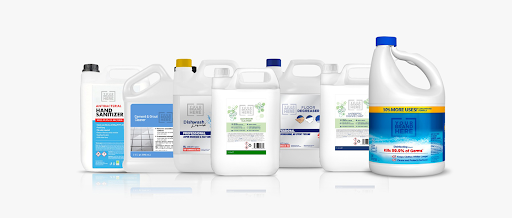
Clean environments are essential for comfort, safety, and wellbeing across homes, offices, and public spaces. The growing focus on structured sanitation has increased awareness about how a hygiene chemical supports routine cleaning while helping reduce harmful microorganisms on commonly touched surfaces. From daily maintenance to deep cleaning schedules, choosing the right products ensures effective results without unnecessary complexity or risk.
Understanding the Role of Professional Cleaning Solutions
Maintaining cleanliness today goes beyond appearance and fragrance. It involves using well-formulated solutions that address invisible contaminants. These products are designed to break down grease, remove dirt, and limit microbial growth across different environments. When used correctly, they help maintain consistent hygiene standards while supporting healthier indoor conditions for occupants and visitors alike.
Key Factors That Influence Product Effectiveness
Cleaning performance depends on more than brand selection. Several practical aspects should guide purchasing decisions to ensure consistent outcomes.
- Surface compatibility with common materials
- Concentration levels and dilution guidance
- Ease of application and storage
- Stability under regular temperature conditions
- Compliance with safety and quality norms
By considering these factors, users can avoid product misuse and achieve reliable cleaning results across varied spaces.
Importance of Balanced Formulations
Balanced formulations are essential for everyday cleaning tasks. Products that are too harsh may damage surfaces, while overly mild options may fail to deliver expected results. A properly developed antibacterial liquid fits into daily routines by targeting common germs without leaving excessive residue. Its role is especially relevant in washrooms, kitchens, and high-contact areas where frequent use is necessary.
Areas Where Consistent Cleaning Matters Most
Certain environments demand more attention due to higher footfall or exposure risks.
- Residential kitchens and bathrooms
- Office workstations and meeting rooms
- Healthcare waiting areas and clinics
- Educational institutions and childcare centers
- Retail stores and hospitality facilities
Consistent schedules paired with suitable products help maintain hygiene without disrupting daily activities.
Efficient Approaches to Surface Maintenance
Surface maintenance should be systematic rather than reactive. Using appropriate floor cleaners ensures that dust, spills, and stains are addressed efficiently, especially in large areas. These solutions are developed to work with different flooring types, including tiles, stone, and sealed concrete, helping maintain appearance while supporting routine cleanliness.
Safe Usage and Storage Practices
Safety is a crucial part of any cleaning program. Proper storage and usage prevent accidents and maintain product integrity over time. Always follow label instructions and avoid mixing products unless specifically advised.
- Store products away from direct sunlight
- Use recommended dilution ratios
- Wear basic protective gear when required
- Keep containers sealed after use
- Train staff on correct handling methods
These steps support both user safety and long-term effectiveness.
Midway Considerations for Long-Term Hygiene Planning
As cleaning needs grow, selecting dependable solutions becomes increasingly important. Many facilities rely on a well-tested hygiene chemical during this stage to maintain consistency across multiple locations. Standardizing products simplifies training, ensures predictable results, and supports better inventory control over time.
Environmental Awareness and Responsible Choices
Modern cleaning practices also consider environmental impact. Responsible formulations aim to reduce excessive chemical runoff while maintaining cleaning efficiency. Choosing products that balance performance with environmental awareness helps organizations align hygiene goals with sustainability initiatives.
Building a Reliable Cleaning Routine
A reliable routine is built on consistency rather than intensity. Assigning clear responsibilities, using the right tools, and scheduling regular reviews ensures long-term success. When supported by dependable products like an antibacterial liquid, daily cleaning becomes manageable rather than overwhelming, even in busy environments.
Visual Cleanliness and First Impressions
Clean spaces influence perception as much as health. Shiny floors, fresh-smelling rooms, and spotless surfaces contribute to positive first impressions. Regular use of suitable floor cleaners helps maintain a polished look, supporting brand image and user confidence in shared spaces.
Training and Awareness for Better Cleaning Outcomes
Even the best cleaning solutions deliver optimal results only when used correctly. Basic training and awareness help users understand dilution ratios, application methods, and safety precautions. Clear instructions reduce wastage, prevent surface damage, and ensure consistent hygiene standards. When teams are informed and confident, daily cleaning routines become more efficient, structured, and reliable across different environments.
Conclusion
Effective cleaning is a combination of informed choices, safe practices, and consistent routines. By understanding product roles and applying them correctly, individuals and organizations can maintain cleaner, safer environments over time.
For businesses seeking dependable hygiene solutions, Perfect Hygiene offers thoughtfully developed products designed to support everyday cleaning needs. With a focus on quality, reliability, and practical application, Perfect Hygiene stands ready to help you maintain high standards across all your spaces.
Table of Contents

