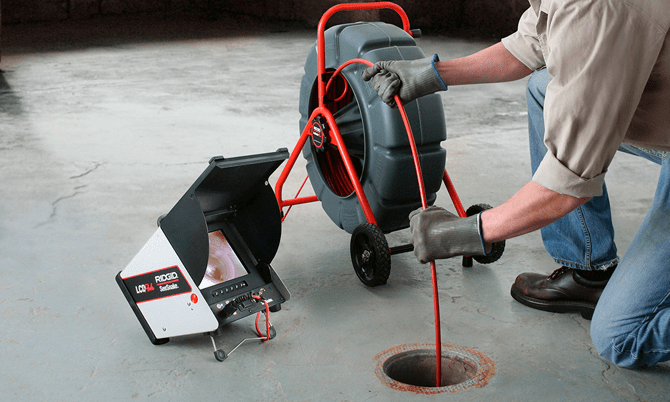
Inspecting underground sewer systems has traditionally been a high-risk task, exposing personnel to confined spaces, hazardous gases, and potential structural failures. These conditions pose significant health and safety risks for maintenance teams. The introduction of advanced sewer camera technology has transformed pipeline inspections, allowing operators to conduct thorough assessments while minimizing direct exposure to dangerous environments.
Remote Inspection Capabilities
A key safety advantage of sewer cameras is their ability to perform inspections remotely. Operators can feed the camera into pipelines using flexible push rods or motorized crawlers, while monitoring the live video feed from a safe distance. Companies such as Sewer Camera have developed systems that allow complete navigation of complex sewer networks without requiring personnel to enter confined or hazardous areas. This remote operation significantly reduces the risk of accidents associated with traditional manual inspections.
Reducing Confined Space Risks
Sewer inspections historically required personnel to enter pipes or manholes, creating risks related to limited oxygen, toxic gases, and restricted escape routes. Sewer cameras eliminate the need for human entry into these environments, providing real-time visuals of the pipeline interior. By keeping inspection teams above ground, the cameras reduce exposure to suffocation hazards, chemical contaminants, and physical injury caused by slips, trips, or collapses within the sewer system.
Early Detection of Hazards
Sewer cameras allow inspectors to identify potential hazards before they become critical issues. Blockages, structural cracks, root intrusions, and corrosion can be detected early using high-resolution imaging and precise navigation. Identifying these issues in advance enables maintenance teams to plan safe interventions, reducing emergency responses that might otherwise require risky entry or heavy excavation.
Enhanced Lighting and Visibility
Poor visibility in underground pipelines increases the likelihood of mistakes or missed defects during inspections. Modern sewer cameras are equipped with powerful LED lighting systems, providing consistent illumination in dark, murky, or waterlogged conditions. Adjustable lighting and wide-angle lenses improve clarity, allowing operators to make informed decisions without physically interacting with the environment. Enhanced visibility directly contributes to safer and more accurate inspections.
Minimizing Excavation Hazards
Excavation is often necessary in traditional pipeline maintenance, but it introduces additional safety risks, including cave-ins, heavy equipment accidents, and traffic exposure. By providing a detailed internal view of the sewer system, cameras reduce the need for unnecessary digging. Inspectors can pinpoint the exact location of defects or blockages, allowing for targeted interventions and minimizing exposure to excavation-related hazards.
Data Recording and Analysis
Sewer cameras often include recording and annotation capabilities, allowing teams to document inspection findings without repeated entry into pipelines. The footage can be reviewed for precise measurements, condition assessments, and planning repair strategies. This digital documentation reduces repeated exposure to hazards, ensures accountability, and supports long-term maintenance safety strategies.
Training and Operational Safety
Sewer camera systems are designed with user-friendly controls, ergonomic handling, and intuitive interfaces. Proper training on camera deployment, navigation, and interpretation of footage enhances operational safety. Teams can conduct inspections efficiently, follow best practices, and avoid common risks associated with improper handling of inspection equipment.
Supporting Predictive Maintenance
Advanced sewer cameras integrated with software analytics and AI-assisted defect recognition enable predictive maintenance strategies. By identifying potential risks before failures occur, municipalities and contractors can plan repairs in controlled conditions, avoiding emergency interventions that often involve high-risk environments. Predictive maintenance supported by accurate camera data is a proactive approach to workplace safety.
Conclusion
A sewer camera significantly enhances the safety of inspection teams by enabling remote operation, eliminating confined space entry, improving visibility, reducing excavation hazards, and supporting predictive maintenance. With high-resolution imaging, precise navigation, and comprehensive data recording, these systems allow teams to perform thorough inspections while minimizing physical risks. Implementing sewer cameras in maintenance programs ensures not only efficient pipeline management but also the protection of personnel in challenging underground environments.
Table of Contents