



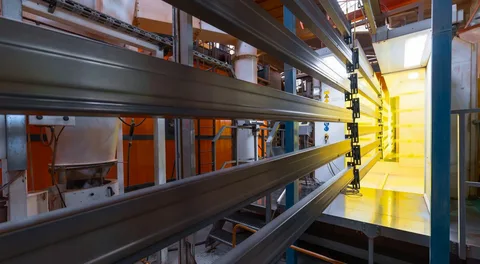
Aluminium is widely recognised for its lightweight strength, corrosion resistance, and adaptability across architectural and industrial applications. However, when structures are exposed to harsh climates, such as coastal humidity, extreme heat, heavy rainfall, or industrial pollution ,untreated aluminium alone cannot guarantee long-term performance. This is where powder-coated aluminium extrusions play a decisive role. Through advanced surface treatment, aluminium gains enhanced protection, visual stability, and durability, enabling it to perform reliably in environments that demand more than standard material resistance.
Surface Protection as a Performance Enhancer
Surface treatment is a critical performance layer that strengthens aluminium against environmental stress and operational wear.
- Barrier Against Environmental Exposure: Surface coatings create a uniform protective layer that shields aluminium from moisture, salt particles, and airborne contaminants. This barrier prevents direct contact between the metal and corrosive elements, reducing oxidation and surface deterioration. In harsh climates, such protection ensures aluminium maintains its structural stability and surface integrity for extended periods. The result is consistent performance even in environments that accelerate material degradation.
- Resistance to Chemical Corrosion: Industrial zones and coastal regions expose materials to chemicals, acidic pollutants, and salt-laden air. Surface-treated aluminium resists chemical reactions that weaken untreated metal over time. The coating prevents penetration of harmful substances, ensuring the aluminium remains structurally reliable. This resistance is essential for infrastructure and industrial installations operating in aggressive environmental conditions.
- Extended Service Life: By protecting aluminium from corrosion, abrasion, and environmental wear, surface treatment significantly increases its service life. Structures remain functional and visually intact for decades without frequent intervention. This longevity reduces the need for replacement, lowering material consumption and supporting sustainable construction goals. Long-term durability also enhances the overall value of aluminium-based systems.
- Improved Structural Reliability: Consistent surface protection ensures aluminium retains its mechanical properties even under continuous exposure to harsh conditions. Structural components experience less fatigue and surface damage over time. This reliability is especially critical in load-bearing applications where performance consistency directly impacts safety. Surface treatment transforms aluminium into a dependable material for demanding environments.
Durability Under Extreme Weather Conditions
Harsh climates subject materials to constant physical and environmental stress, making durability a defining performance factor.
- UV and Heat Resistance: Prolonged exposure to sunlight and high temperatures can cause untreated surfaces to fade or degrade. Surface-treated aluminium resists UV radiation, preventing discoloration and surface breakdown. This stability ensures that aluminium components maintain both strength and appearance in regions with intense solar exposure. Heat resistance also supports performance consistency across extreme temperature ranges.
- Moisture and Humidity Tolerance: High humidity and frequent rainfall accelerate corrosion in untreated metals. Surface coatings prevent moisture penetration, reducing the risk of oxidation and surface damage. Aluminium remains structurally intact even in damp or coastal environments. This moisture resistance makes treated aluminium suitable for long-term outdoor applications.
- Wind and Sand Abrasion Protection: In desert and coastal areas, wind-driven sand and debris cause surface erosion over time. Protective coatings reduce abrasion damage by absorbing and deflecting impact. This protection preserves surface quality and structural performance. Reduced wear also minimizes maintenance requirements in challenging environments.
- Temperature Fluctuation Stability: Harsh climates often involve rapid shifts between hot and cold conditions. Surface-treated aluminium adapts to thermal expansion and contraction without cracking or peeling. The coating maintains adhesion and flexibility, ensuring long-term stability. This performance is essential for regions experiencing seasonal or daily temperature extremes.
Aesthetic Stability in Challenging Environments
Visual performance remains important even in demanding climatic conditions, particularly for architectural and public-facing structures.
- Color Consistency: Surface-treated aluminium maintains uniform colour despite prolonged exposure to sun, rain, and pollution. The coating prevents fading and patchiness, ensuring visual consistency across profiles. This stability supports cohesive architectural designs over time. Consistent appearance enhances the perceived quality of built environments.
- Finish Retention: Protective surface layers prevent peeling, chalking, and dullness caused by environmental exposure. Aluminium components retain a refined appearance with minimal upkeep. This finish stability is particularly valuable for high-rise facades and exterior installations. Reduced visual degradation contributes to long-term aesthetic value.
- Design Versatility:Surface treatment allows aluminium to support a wide range of finishes, textures, and colour tones. Designers can achieve specific visual goals without compromising durability. This versatility enables aluminium to adapt to diverse architectural styles and environmental demands. A balance between performance and aesthetics becomes achievable.
- Low Visual Degradation: Treated surfaces resist staining, spotting, and surface imperfections caused by pollution and weather. Aluminium components continue to enhance the visual quality of buildings and infrastructure. Reduced degradation minimizes refurbishment needs. This ensures public and private spaces retain their appeal over time.
Structural Reliability in Industrial and Coastal Zones
Some of the harshest operating conditions are found in industrial and coastal environments, where surface treatment becomes essential.
- Salt Spray Resistance: Salt-laden air accelerates corrosion in coastal areas. Surface-treated aluminium prevents salt penetration, preserving structural integrity. This protection is particularly important for external frameworks and marine-adjacent structures. Reliable performance under salt exposure extends the lifespan of aluminium components.
- Pollution Tolerance: Industrial emissions introduce corrosive particles and chemicals into the environment. Surface coatings protect aluminium from reacting with pollutants. This resistance ensures consistent performance in industrial zones. Aluminium remains structurally sound despite continuous exposure to aggressive conditions.
- Load-Bearing Confidence: Structural components must maintain strength even when exposed to environmental stress. Surface treatment helps aluminium retain its load-bearing capacity over time. Reduced surface damage supports long-term structural reliability. This confidence is critical for safety-focused applications.
- Reduced Structural Fatigue: Environmental exposure causes micro-damage that accumulates over time. Protective coatings minimize surface stress and fatigue. Aluminium components experience slower degradation rates. This enhances durability and reduces long-term structural risks.
Efficiency in Maintenance and Lifecycle Cost
Surface-treated aluminium offers measurable advantages in maintenance efficiency and overall lifecycle performance.
- Lower Maintenance Requirements: Protective coatings reduce the need for frequent cleaning, repainting, or surface repairs. Aluminium remains stable with minimal intervention. This benefit is especially valuable for installations in hard-to-access locations. Reduced maintenance improves operational efficiency.
- Cost Savings Over Time: While surface treatment involves an initial investment, long-term savings outweigh upfront costs. Reduced repair frequency and extended service life lowers total ownership expenses. This makes treated aluminium economically viable for large-scale projects. Lifecycle efficiency becomes a key advantage.
- Simplified Inspection Processes: Stable surfaces make it easier to identify actual structural concerns rather than cosmetic damage. Inspections become more accurate and efficient. Maintenance planning improves as a result. This clarity supports better asset management.
- Sustainable Resource Use: Longer-lasting aluminium components reduce the need for material replacement. This lowers resource consumption and construction waste. Sustainable use aligns with environmentally responsible building practices. Surface treatment supports long-term sustainability goals.
Application Flexibility Across Sectors
Surface-treated aluminium delivers consistent performance across sectors exposed to extreme environmental conditions.
- Architectural Applications: Facades, window systems, and external cladding benefit from long-term durability and appearance retention. Treated aluminium supports reliable performance in exposed building envelopes. This ensures architectural integrity across varied climates.
- Infrastructure Projects: Bridges, transit systems, and public structures require materials that resist corrosion and wear. Surface-treated aluminium delivers safety and longevity. Reduced maintenance supports public infrastructure efficiency.
- Industrial Installations: Facilities exposed to heat, chemicals, and pollutants rely on aluminium that maintains performance under stress. Surface treatment ensures operational reliability. This makes aluminium suitable for demanding industrial environments.
- Renewable Energy Systems: Aluminium structures supporting solar installations face continuous sun exposure. Surface-treated aluminium resists UV degradation and weather damage. Performance stability supports long-term renewable energy output.
Conclusion
Surface treatment plays a defining role in enabling aluminium to perform consistently in harsh climates. From corrosion resistance and structural reliability to visual stability and reduced maintenance, treated aluminium delivers long-term value across demanding environments. The proven performance of powder-coated aluminium extrusions highlights how advanced finishing enhances aluminium’s ability to withstand extreme weather and environmental stress.
This level of performance is best achieved when aluminium manufacturing is guided by precision, experience, and consistent quality standards, such as those of companies like JM Aluminium. With strong capabilities in extrusion production, advanced coating technologies, and stringent quality control, the company supports projects that demand durable, climate-resilient aluminium solutions. Their approach reflects a commitment to long-term performance rather than short-term outcomes.
Table of Contents

